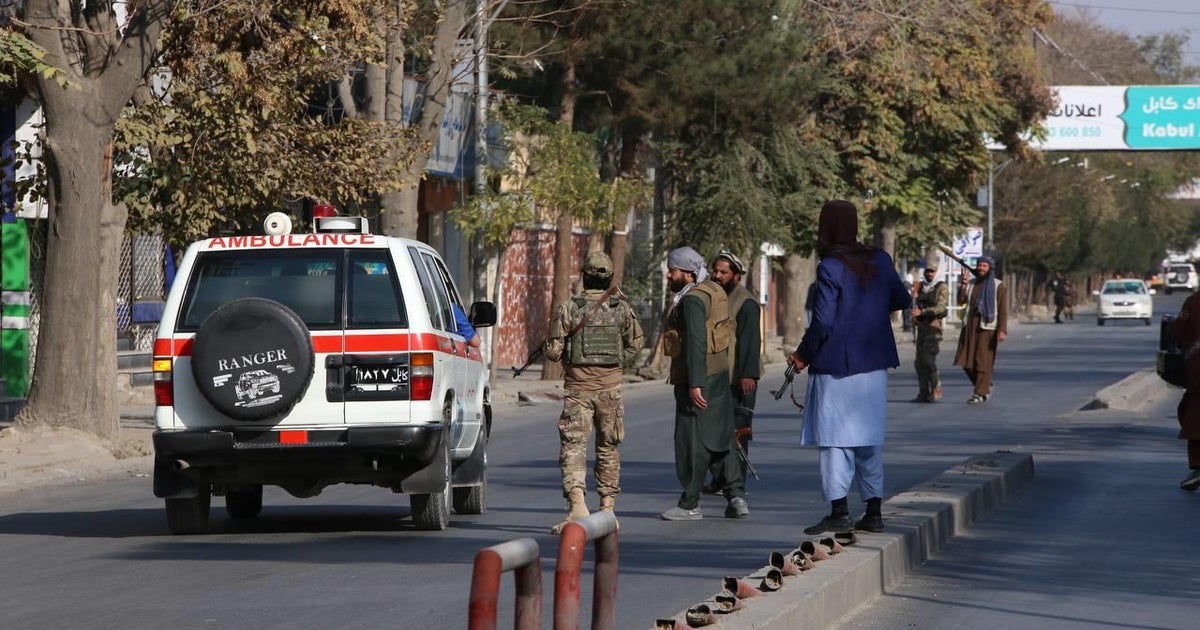
The explosion didn't just rattle the windows in Kabul; it shattered the last remnants of a decades-long, complicated alliance. On Monday night, around 9:00 PM, a massive air strike tore through the Omid drug rehabilitation hospital in Kabul’s Police District 9. The Taliban claims 400 people are dead. Pakistan says they didn't hit a hospital at all, but rather a "terrorist support infrastructure" and ammunition depots.
Someone is lying, and the cost of that lie is buried under heaps of smoldering concrete.
If the numbers hold, this is the deadliest single event in what has become an "open war" between the two neighbors. For years, Islamabad and the Taliban played a cat-and-mouse game of "strategic depth" and proxy support. That game is over. What we’re seeing now is a high-stakes military confrontation that has moved from border skirmishes to the heart of the Afghan capital.
The Carnage at Omid Hospital
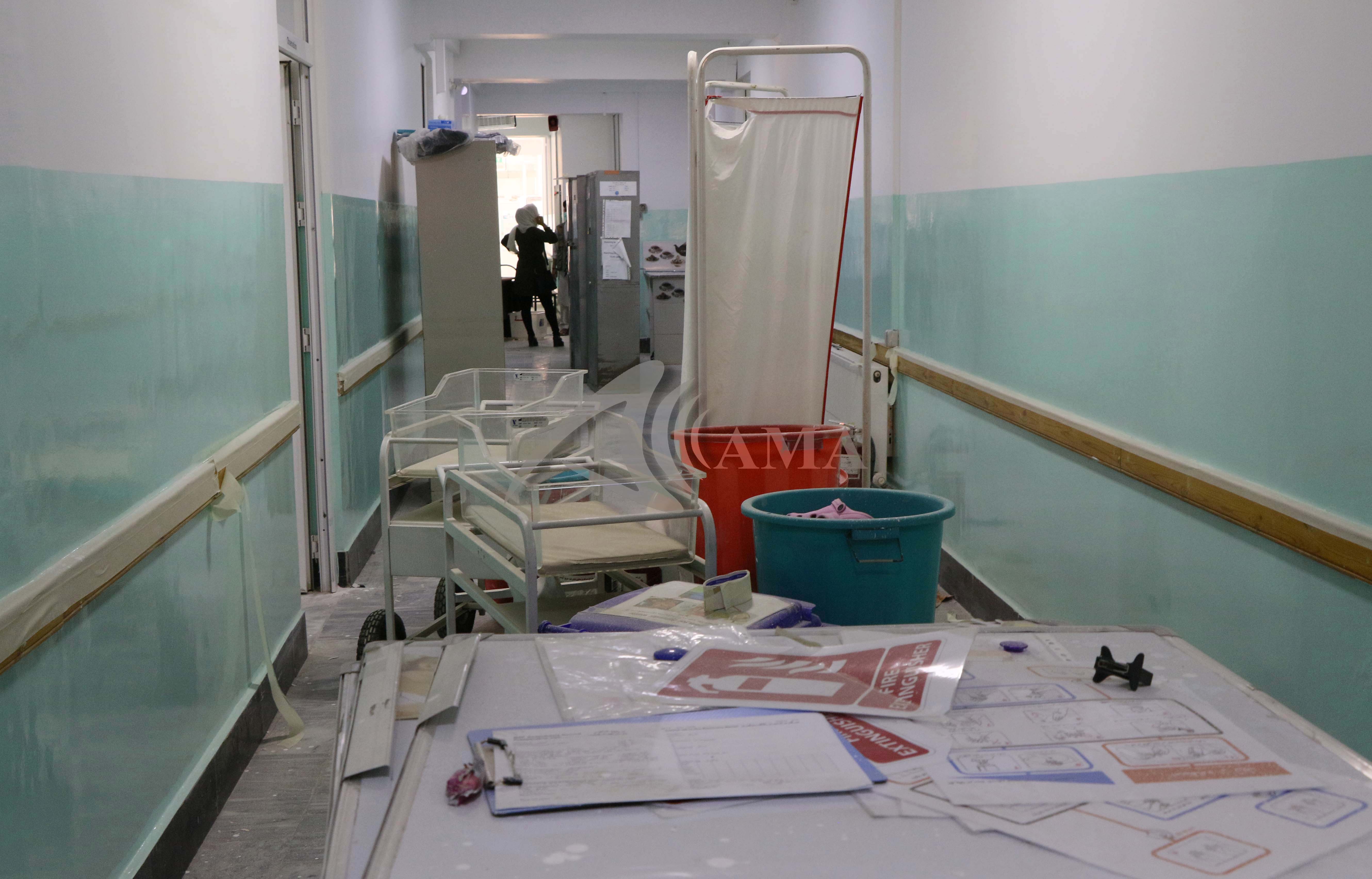
The Omid facility was a 2,000-bed state-run center for some of the most vulnerable people in Afghan society—individuals struggling with drug addiction. At the time of the strike, reports suggest up to 3,000 patients were inside. Witnesses describe a scene that sounds like a descent into hell. Thick smoke, screaming patients falling from beds, and firefighters trying to pull bodies from a building that had basically become a furnace.
Taliban health ministry spokesman Sharafat Zaman says the death toll is likely to climb. He’s adamant: there were no military targets nearby. On the other side, Pakistan’s Ministry of Information claims their "precision" strikes targeted the Afghan Taliban’s military installations and that "secondary detonations" proved they hit ammo dumps.
It’s a classic case of "he said, she said" with hundreds of bodies as the only physical evidence. If you’ve followed this region, you know Pakistan doesn't usually strike Kabul directly. Doing so signals that the gloves aren't just off—they’ve been shredded.
Why the Friendship Collapsed
It’s wild to think that just a few years ago, Islamabad was the Taliban’s biggest cheerleader. When the Taliban took Kabul in 2021, the Pakistani leadership basically signaled that the "shackles of slavery" were broken. Now, they’re trading mortar fire and air strikes.
The breaking point? The Tehreek-e-Taliban Pakistan (TTP).
Islamabad is convinced the Afghan Taliban is giving the TTP a safe place to sleep and plan attacks. After a series of brutal bombings inside Pakistan—including a mosque attack in Islamabad back in February—the Pakistani military’s patience evaporated. They warned Kabul. They issued démarches. They waited. Then, they started dropping bombs.
The Border is a Tinderbox
This isn't just about one hospital. The entire 2,600-kilometer Durand Line is currently a combat zone. Over the last three weeks, we’ve seen:
- Artillery duels in Khost and Nangarhar.
- The Taliban claiming they’ve captured Pakistani border outposts.
- Mass displacement of thousands of families on both sides.
The human cost is staggering. While the politicians in Islamabad and the clerics in Kandahar trade barbs, civilians are the ones digging through rubble. The UN is sounding the alarm, but with international attention spread thin across other global crises, this "open war" is largely being fought in the dark.
What Happens When Precision Fails
Pakistan insists they used precision tech. But in urban warfare, "precision" is often a relative term. Even if there was a TTP cell or an ammo stash near that hospital, the decision to strike a 2,000-bed medical facility in the middle of a crowded capital city is a massive escalation. It suggests that Pakistan is no longer worried about "winning hearts and minds" in Afghanistan. They want to send a message: nowhere is safe.
The Taliban's response has been predictably furious. They’ve promised retribution, and we’ve already seen them launch counter-attacks along the border. This cycle of violence is self-sustaining. Pakistan strikes to stop terrorism; the Taliban uses the civilian deaths to justify more cross-border aggression.
The Reality on the Ground
Honestly, the truth of what was in that building might not emerge for weeks, if ever. Independent verification in Kabul is nearly impossible right now. But the optics are disastrous for regional stability. When a hospital burns, the nuances of counter-terrorism strategy don't matter to the people watching their relatives being carried out on stretchers.
If you’re watching this from the outside, don't expect a ceasefire anytime soon. The Qatari-brokered deal from last year is dead. Turkey and China are offering to mediate, but neither side seems ready to talk. They’re too busy reloading.
To stay informed on this developing crisis, watch for updates from the UN Assistance Mission in Afghanistan (UNAMA) and independent humanitarian groups on the ground. The next 48 hours will likely determine if this remains a series of strikes or if we’re looking at a full-scale invasion. Keep an eye on the border movements in the Paktika and Nangarhar provinces—that's where the real "open war" will be won or lost.