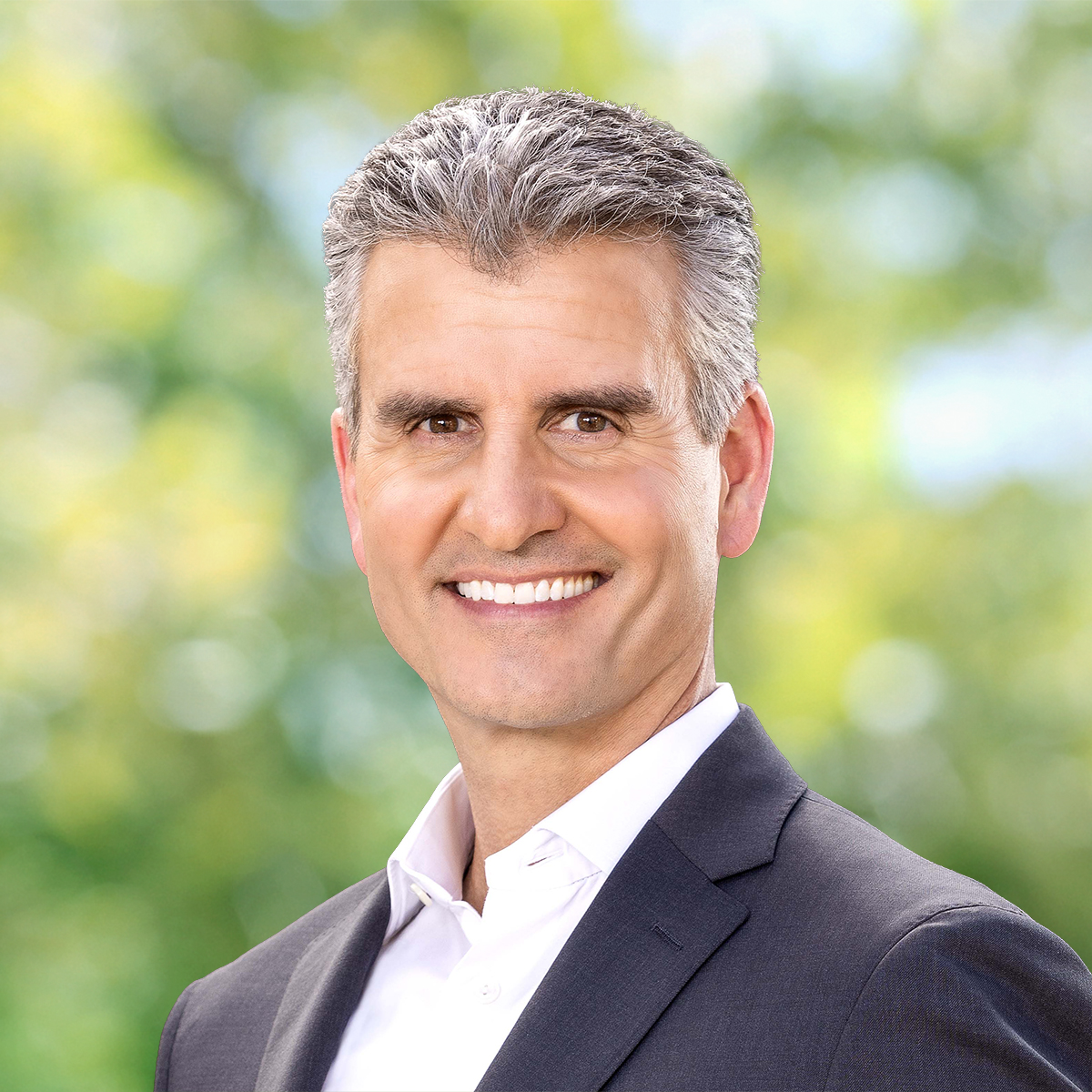
The long-delayed succession drama at The Walt Disney Company has reached its endgame with the appointment of Josh D’Amaro as Chief Executive Officer. Effective March 18, the man who previously oversaw the company’s sprawling theme park empire will take the reins from Bob Iger, ending a period of corporate instability that saw the return of a retired leader and the public sidelining of several internal contenders. D’Amaro inherits a kingdom that is currently profitable but culturally fractured, facing a brutal transition from linear television to a streaming-first model that has yet to prove its long-term margins.
For years, the Burbank lot was a theater of whispers. Names like Dana Walden and Jimmy Pitaro were floated in the press as potential heirs, representing the content and sports arms of the business. By choosing D’Amaro, the board of directors has sent a clear signal to Wall Street and the creative community. They are doubling down on the one segment of the business that consistently generates massive cash flow and remains resilient against the volatility of the box office.
The decision is a calculated bet on a specific type of leadership. D’Amaro is not a career film producer or a television executive. He is an operator.
The Strategy of Tangible Assets
While Disney+ and Hulu capture the headlines and the discourse, the parks, experiences, and products division has quietly carried the company’s financial weight. D’Amaro’s tenure as Chairman of that division was defined by a massive $60 billion investment plan aimed at expanding capacity and integrating newer intellectual property into physical spaces. This wasn't just about building roller coasters. It was about creating a closed-loop ecosystem where a movie seen in the theater leads to a purchase on a phone, which leads to a week-long stay at a resort.
Critics often point to the rising costs of the Disney experience as a sign of brand erosion. However, the numbers tell a different story. Under D’Amaro, per-capita spending at the parks hit record highs. He managed to squeeze more revenue out of fewer guests by implementing tiered pricing and digital tools like Genie+. While these moves were unpopular with the "passholder" demographic, they were exactly what investors wanted to see: margin expansion in a capital-intensive industry.
The challenge now is whether that "parks logic" can be applied to the more ephemeral world of content creation. Managing a physical resort requires logistical precision and hospitality. Managing a movie studio requires an appetite for risk and a tolerance for the "hit-or-miss" nature of the creative process. There is a legitimate concern within the halls of the Walt Disney Studios that a leader from the operational side might prioritize efficiency over the messy, expensive, and often unpredictable work of storytelling.
The Ghost of Bob Iger
No discussion of the Disney CEO role is complete without acknowledging the shadow of the man leaving the chair. Bob Iger’s first retirement was a disaster. His hand-picked successor, Bob Chapek, was ousted in a boardroom coup that felt more like a Shakespearean tragedy than a corporate transition. Iger’s return in 2022 was supposed to be a brief "clean-up" mission, but it stretched into a multi-year tenure as the search for a permanent replacement stalled.
D’Amaro’s primary hurdle isn't just the competition from Netflix or the decline of ESPN’s cable revenue. It is the precedent of his predecessor. Iger is a legendary figure who reshaped the modern media environment through the acquisitions of Pixar, Marvel, and Lucasfilm. He is also a man who has found it notoriously difficult to let go of the steering wheel.
For D’Amaro to succeed, he must establish an identity that is independent of the Iger era. He cannot simply be "Iger Lite." The media industry in 2026 is vastly different from the one Iger dominated in 2015. The era of easy growth through acquisition is over. The current environment demands ruthless prioritization and the ability to kill off legacy businesses that no longer serve the bottom line.
Fixing the Content Engine
The most pressing issue on D’Amaro’s desk isn't the price of a churro in Anaheim. It is the perceived decline in the quality and cultural impact of Disney’s core film and television output. After a decade of dominance, the Marvel Cinematic Universe has shown signs of fatigue. Star Wars has retreated to the small screen with mixed results. Even the once-invincible Pixar has struggled to reclaim its status as a guaranteed hit-maker.
D’Amaro has a reputation for being a "people person." He is frequently seen walking the parks, talking to frontline employees and guests. He will need to bring that same level of engagement to the creative teams in Burbank and London. There is a sense among many Disney creatives that the company has become too reliant on data and sequels, losing the "magic" that made the brand indispensable.
Rebalancing the Portfolio
The company’s reliance on old IP is a double-edged sword. While it provides a safety net, it prevents the birth of the next generation of icons. D’Amaro must find a way to encourage original storytelling while maintaining the franchise machine that fuels the rest of the company.
- Marvel Fatigue: The strategy of flooding Disney+ with spin-off series has diluted the brand. D’Amaro will likely oversee a "less is more" approach, focusing on tentpole theatrical releases.
- The ESPN Pivot: The transition of ESPN to a full direct-to-consumer model is the biggest gamble in sports media. D’Amaro needs to navigate this without alienating the leagues or the remaining cable distributors.
- International Growth: With domestic markets reaching saturation, the next phase of Disney’s growth lies in India and Southeast Asia. This requires a nuanced understanding of local cultures that a "one-size-fits-all" American brand strategy often lacks.
The Wall Street Mandate
Investors have been remarkably patient with Disney, but that patience has limits. The stock price has spent much of the last two years in a tug-of-war between those who believe in the brand's long-term value and those who fear the death of traditional television. D’Amaro’s appointment provides clarity, but now he must provide results.
The market wants to see streaming profitability become a permanent fixture, not a one-quarter anomaly. They want to see the debt from the 21st Century Fox acquisition continue to slide down. Most importantly, they want to see a Disney that isn't constantly embroiled in political or social controversies.
D’Amaro has shown a deft hand in navigating these waters before. During the tensions between Disney and the Florida legislature, he remained focused on the business impact, ensuring that the company’s massive investments in the state were protected even as the headlines raged. He is a pragmatist by nature.
Leadership Style and Cultural Shift
If Iger was the statesman and Chapek was the bureaucrat, D’Amaro is the enthusiast. He projects a genuine love for the Disney brand that is infectious. In an organization that has felt increasingly corporate and cold, his "sunny" disposition could be the morale booster the workforce desperately needs.
However, do not mistake his smile for weakness. You do not rise to the top of a $200 billion corporation by being "nice." D’Amaro is known for being incredibly demanding and metrics-driven. He understands that in the modern economy, a brand's "soul" is only as valuable as its quarterly earnings.
The transition on March 18 marks the official start of a new era. The internal competition is over, the board has made its choice, and the shadow of Bob Iger is—theoretically—moving toward the exit. D’Amaro isn't just taking over a company; he is taking over a cultural institution at its most vulnerable moment since the early 1980s.
Success will require him to do something Disney has struggled with for twenty years: looking forward instead of over its shoulder at its own history. The vault is full of treasures, but the future of the company depends on what D'Amaro builds outside of it. He must convince a skeptical public and an even more skeptical industry that the house Walt built can still innovate, rather than just iterate.
Watch the capital expenditure reports for the next eighteen months. If D’Amaro starts shifting significant funds away from legacy media and toward unproven technology or new-concept physical experiences, we will know he is truly in charge. If the status quo remains, he is simply a steward of a declining empire. The clock starts now.