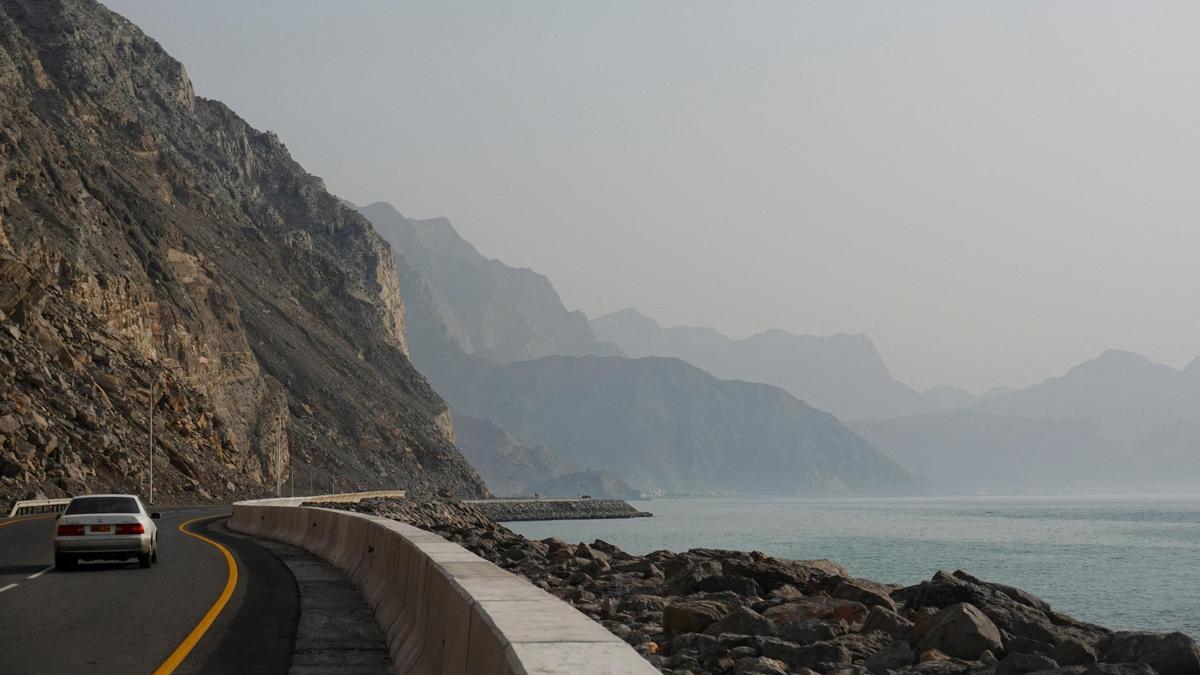
The Strait of Hormuz is the world's most dangerous choke point. If you look at a map, it's a tiny sliver of water—barely 21 miles wide at its narrowest—separating the Persian Gulf from the rest of the world. Iran just reminded everyone that they can turn off the lights on the global economy whenever they feel like it. Their recent vows to attack any ship attempting to pass through the strait isn't just another round of fiery rhetoric. It’s a calculated geopolitical chess move that has immediate consequences for your wallet, your gas tank, and global stability.
Most people think these threats are just posturing. They aren't. When the Iranian Revolutionary Guard Corps (IRGC) says they’ll shut down the strait, they’re talking about blocking the artery that carries roughly 20% of the world’s total petroleum consumption. We’re talking about 20 million barrels of oil every single day. If that flow stops, the global economy doesn't just slow down. It breaks.
The Reality of Irans Grip on the Strait of Hormuz
Iran doesn't need a massive blue-water navy to cause chaos. They’ve spent decades perfecting "asymmetric warfare." Instead of trying to match the U.S. Navy ship-for-ship, they use thousands of fast-attack boats, sea mines, and shore-based anti-ship missiles. It’s a swarm strategy. It’s cheap, it’s effective, and it’s incredibly hard to defend against in such a cramped space.
The shipping lanes themselves are even narrower than the strait's total width. Large tankers have to stay within two-mile-wide channels to avoid running aground. This makes them sitting ducks. Iran knows this. They’ve practiced these maneuvers for years. They don't have to sink every ship; they just have to sink one or two to make insurance premiums skyrocket so high that no commercial captain will risk the trip.
Why the Timing Matters Right Now
You have to look at the broader picture. Iran is feeling the squeeze from international sanctions and regional tensions. Threatening the strait is their primary "equalizer." It’s the one lever they can pull to force the West to the negotiating table. When they vow to attack ships, they’re sending a message to Washington and Brussels: "If we can't export our oil, nobody will."
I’ve seen this cycle repeat, but the current climate is different. The level of drone technology Iran now possesses is leagues ahead of where they were ten years ago. They aren't just using old Soviet mines anymore. They’re using kamikaze drones that can be launched from the back of a pickup truck. This lowers the "cost of entry" for starting a maritime conflict.
How an Attack on Shipping Changes Everything
If Iran follows through on its vow to attack any ship in the Strait of Hormuz, the first casualty isn't a boat. It’s the price of crude oil. Markets hate uncertainty. Within minutes of a confirmed strike, oil prices would likely jump 10% to 15%. If the strait actually closes, some analysts predict oil could hit $200 a barrel.
- Supply Chain Collapse: Most of the world's liquefied natural gas (LNG) from Qatar passes through here. Imagine Europe trying to heat homes without that supply.
- Insurance Blackouts: Maritime insurers like Lloyd’s of London would designate the area a "war zone," effectively canceling standard policies.
- Military Escalation: A strike on a commercial vessel triggers "freedom of navigation" protocols. That means the U.S. Fifth Fleet gets involved. Suddenly, a regional spat becomes a global war.
The U.S. Energy Information Administration (EIA) calls Hormuz the world's most important oil transit point. There’s no easy way around it. While Saudi Arabia and the UAE have pipelines that bypass the strait, they can only handle a fraction of the volume. Most of the infrastructure is built to move oil by sea, not land.
The Misconception of an Easy Fix
Some think the U.S. Navy can just "keep the lanes open" with ease. It's not that simple. Clearing sea mines is a slow, tedious process that can take weeks or months. During the "Tanker War" in the 1980s, even the world's most advanced warships were damaged by simple Iranian mines. It’s a nightmare scenario for any commander. You’re fighting an invisible enemy in a bathtub.
What You Should Watch For Next
The rhetoric is peaking, but the "tell" will be in the movement of the IRGC navy. Watch for increased drills near the islands of Abu Musa and the Greater and Lesser Tunbs. These islands are basically stationary aircraft carriers for Iran. They sit right on the shipping lanes.
If you see Iran moving more missile batteries to its southern coast, the threat level has moved from "political theater" to "imminent action." We’re also seeing a rise in "shadow" activities—GPS jamming and spoofing that makes tankers think they’re in international waters when they’re actually drifting into Iranian territory. It’s a trap, plain and simple.
Don't wait for the headlines to tell you the price of gas is doubling. If you’re a business owner or an investor, you need to be looking at your exposure to energy costs right now. The Strait of Hormuz is the ultimate "black swan" event waiting to happen. Iran’s vow isn't just a threat to ships; it's a threat to the way we live.
Practical Steps to Take
- Monitor Energy Stocks: Keep a close eye on the XLE (Energy Select Sector SPDR Fund) or similar indices. They often react to Hormuz tensions before the general market does.
- Verify Shipping Data: Use tools like MarineTraffic to see if tankers are starting to "go dark" (turning off their transponders) near the Persian Gulf. This is usually a sign of heightened fear.
- Diversify Your Intel: Don't just rely on Western news. Check regional outlets like Al Jazeera or even Iranian state media (with a massive grain of salt) to see how they are framing the narrative to their own people.
The situation is volatile. Iran has shown they’re willing to play chicken with the global economy, and right now, they’re the ones with their foot on the gas. Stop assuming the status quo will hold just because it’s convenient. History shows that when nations feel backed into a corner, they start swinging at whatever is closest. In this case, that’s the world’s oil supply.