The Middle East just hit a point of no return. If you woke up today thinking this was just another round of "tit-for-tat" exchanges between Israel and Iran, you're missing the bigger picture. This isn't a localized skirmish. On February 28, 2026, the United States and Israel launched a massive, coordinated assault—codenamed Operation Epic Fury by the U.S. and Operation Lion’s Roar by Israel—that has effectively decapitated the Iranian leadership.
This wasn't just about hitting "targets." It was about ending an era.
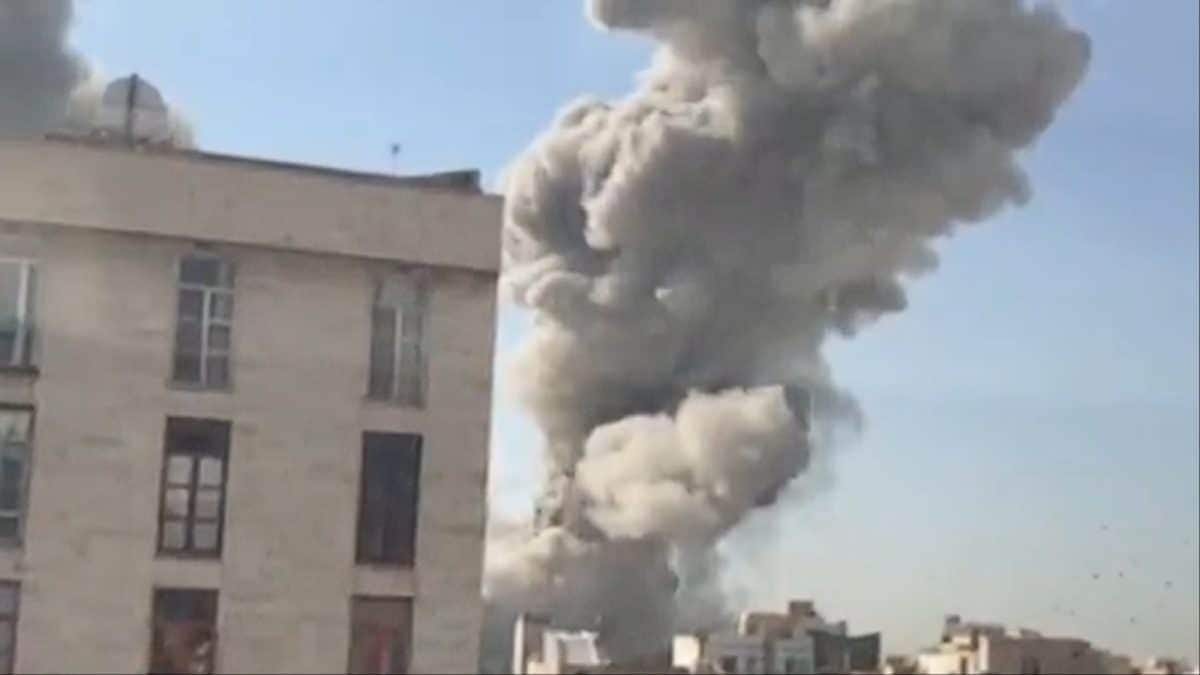
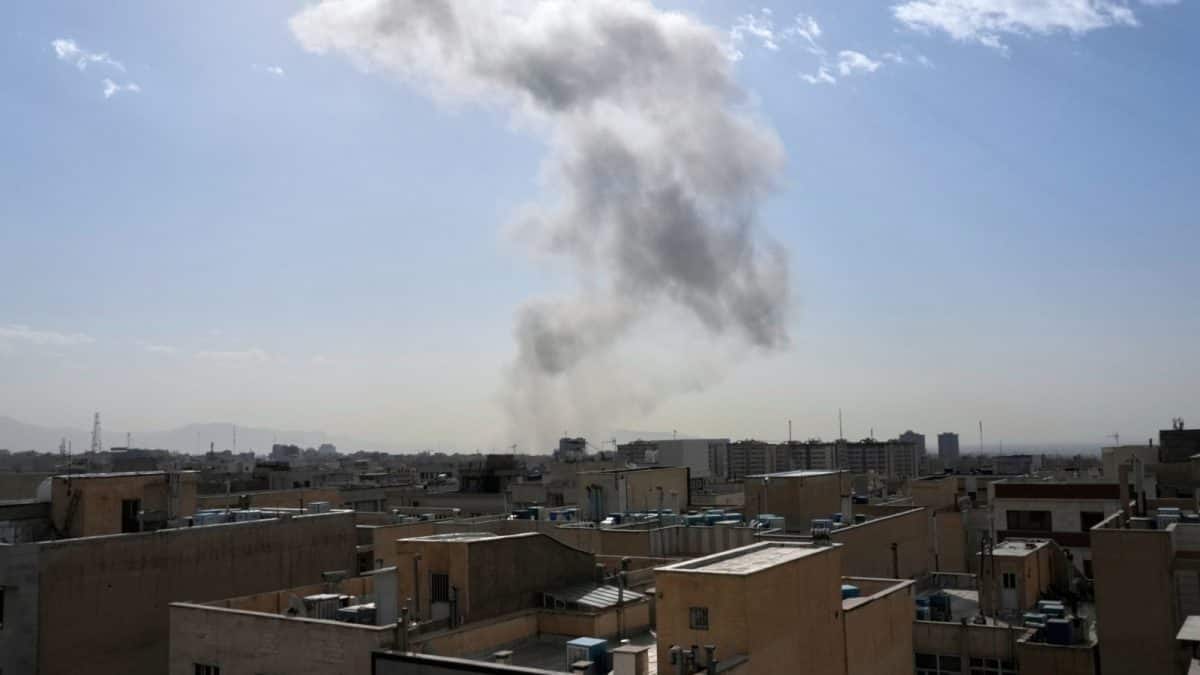
With the confirmed death of Supreme Leader Ayatollah Ali Khamenei in a precision strike on his Tehran compound, the geopolitical map hasn't just been nudged—it's been set on fire. While the media focuses on the smoke over Tehran, the real story is the calculated risk the Trump administration and the Netanyahu government took to force a regime collapse from the top down.
Why This Isn't Like 2024 or 2025
We've seen tensions flare before, but the scale of this operation is staggering. In the first 12 hours alone, the U.S. launched nearly 900 strikes. Unlike previous "limited" engagements, this campaign focused on three simultaneous goals:
- Leadership Decapitation: Eliminating Khamenei and roughly 10 top-tier officials to paralyze the chain of command.
- Strategic Disarmament: Wiping out ballistic missile caches and drone factories to prevent a sustained counter-offensive.
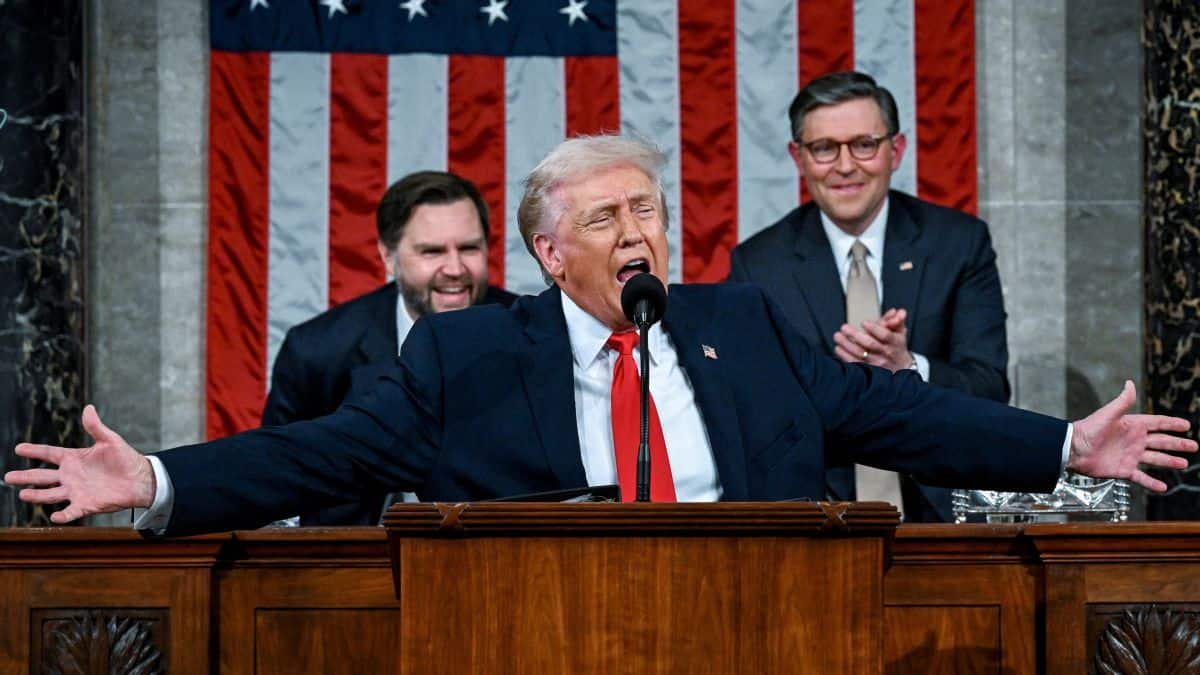
- Regime Destabilization: Using the vacuum to encourage domestic uprisings, as seen in President Trump's direct video appeal to the Iranian people.
The Land and Sea Reality
The "land and sea" aspect of these strikes involves more than just launching Tomahawks from the Persian Gulf. This is a multi-domain squeeze. The U.S. Navy's 5th Fleet, based in Bahrain, has been the primary hammer from the sea, while Israeli jets—flying long-range missions that likely utilized sophisticated refueling and electronic warfare—pounded the "heart of Tehran."
The land component isn't just about boots on the ground yet. It’s about the massive buildup of over 10,000 additional U.S. troops in neighboring countries like Jordan, Kuwait, and Iraq. These forces are acting as a shield, intercepting hundreds of Iranian retaliatory missiles while providing the logistics for a sustained air war that Trump warns could last "as long as necessary."
The Cost of the First Wave
The human and economic toll is already mounting. Reports from southern Iran, specifically the city of Minab, mention a strike on a girls' school near an IRGC base that resulted in over 100 casualties. It’s a grim reminder that "precision" bombing in dense urban areas rarely stays surgical.
Economically, the world is holding its breath. Iran has officially announced the closure of the Strait of Hormuz. If you think gas prices are high now, wait until you see the impact of 20% of the world's oil supply being choked off. This is Iran's last big lever, and they've pulled it hard.
Tehran’s Desperate Retaliation
Iran didn't just sit back. They launched what’s likely their largest ever offensive against U.S. regional assets. Missiles and drones rained down on:
- Israel: Multiple cities including Tel Aviv and Haifa saw sirens and interceptions.
- Gulf States: Bases in Bahrain, Qatar, and Kuwait were targeted.
- Dubai and Abu Dhabi: For the first time, commercial hubs like Dubai’s Jebel Ali port and international airports faced direct impact, shattering the "safe haven" image of the UAE.
This is a "scorched earth" response. By hitting the Gulf states, Iran is trying to punish the U.S. allies that host American forces, effectively telling the region: "If we go down, you're coming with us."
What Most People Are Missing
The real gamble here isn't the military strike—it's the internal Iranian reaction. For years, analysts argued that an external attack would "rally the people around the flag." But with the Supreme Leader dead and the IRGC in temporary disarray, we're seeing reports of Iranians celebrating in the streets of Tehran and Isfahan.
The U.S. and Israel are betting that the Iranian public is more tired of the regime than they are angry at the bombs. It's a high-stakes play for regime change that bypasses traditional diplomacy, which had already stalled in Geneva just days prior.
The Survival of the IRGC
Don't assume the fight is over because the top guy is gone. The Islamic Revolutionary Guard Corps (IRGC) is a state within a state. They still control the missiles, the "Axis of Resistance" proxies like the Houthis and Hezbollah, and the internal security apparatus. Even without Khamenei, the IRGC has a vested interest in survival. They're not just going to hand over the keys because Trump made a video on Truth Social.
Moving Forward in the Chaos
If you're tracking this conflict, stop looking for a "peace deal." That ship has sailed. The next 48 to 72 hours are critical. Watch for whether the Iranian military command can reorganize under a new figurehead or if the internal protests turn into a full-scale revolution.
Keep a close eye on oil markets and shipping routes. If the Strait of Hormuz remains closed for more than a week, the global economic shock will be the story, not just the military strikes.
Next Step: Monitor the official transition of power in Tehran. If the IRGC successfully installs a hardline successor quickly, expect the "Operation Epic Fury" strikes to intensify into a full-scale regional war.