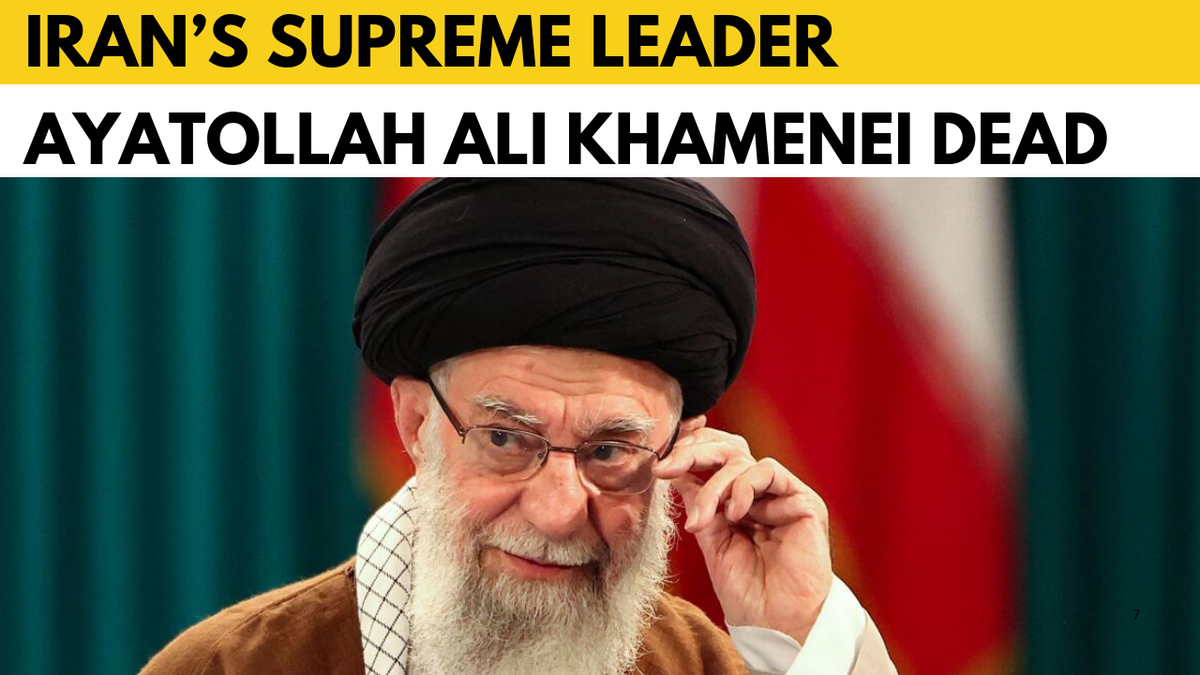
The world woke up on March 1, 2026, to a map of the Middle East that no longer makes sense. After decades of "strategic patience" and shadow wars, the unthinkable happened in the early hours of February 28. A massive, coordinated U.S.-Israeli strike operation didn't just hit military assets; it took out the cornerstone of the Islamic Republic. Ayatollah Ali Khamenei is dead.
This isn't just another headline about a regional skirmish. It's a seismic shift that has already triggered 40 days of national mourning in Iran and sent shockwaves through global oil markets. If you're trying to figure out if this brings peace or a hundred-year war, you're asking the right question.
What actually happened in Tehran
The operation was clinical and devastating. Using intelligence reportedly gathered by the CIA to pinpoint a gathering of top-tier leaders, Israeli jets and U.S. assets struck multiple high-value targets. Khamenei’s residence in Tehran was leveled. By Sunday morning, Iranian state media—which usually spends days denying such reports—confirmed the Supreme Leader’s death.
But it wasn't just him. The strike was a decapitation in every sense. Reports indicate several family members, including his daughter and grandchild, were killed. High-ranking officials like IRGC commander-in-chief Mohammad Pakpour and security adviser Ali Shamkhani are also on the casualty list.
President Donald Trump took to social media almost immediately, claiming the "wicked, radical dictatorship" was finished. He urged Iranians to "take over" their government, calling it a once-in-a-generation chance. It's a massive gamble. We've seen "regime change" play out in this region before, and it rarely follows the script written in Washington.
The chaos of a missing successor
The biggest problem right now? There's no clear "Next Guy." Khamenei ruled since 1989. He was the ultimate arbiter of every major decision, from the nuclear program to who gets to run for president. In the Islamic Republic, the Supreme Leader isn't just a politician; he's the religious glue.
An interim leadership council has already been formed, featuring President Masoud Pezeshkian and senior cleric Ayatollah Alireza Arafi. But don't let the "council" label fool you. This is a frantic attempt to stop the house from burning down. The Assembly of Experts is supposed to pick a new leader, but many of its key influencers were likely targeted or are currently in hiding.
- Internal Power Struggles: The IRGC (Revolutionary Guard) won't just sit back and watch a reformist or a moderate cleric take the wheel. They have the guns.
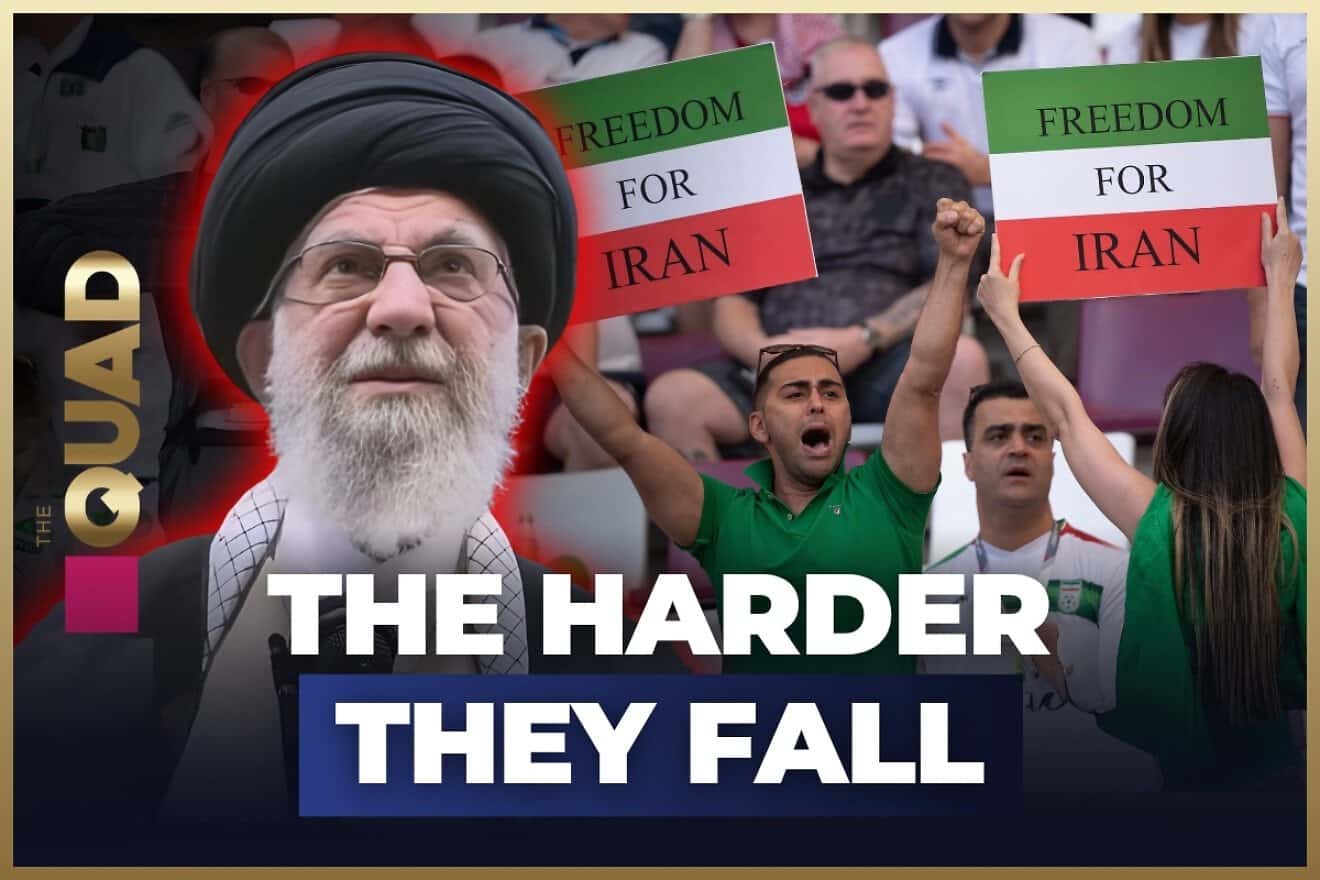
- Civil Unrest: Protests have already broken out. Some Iranians are reportedly celebrating in the streets, while others are bracing for a brutal crackdown from remaining security forces.
- Retaliation: Iran has already fired missiles at Israel and several Gulf states hosting U.S. bases. Dubai and Abu Dhabi airports have seen grounded flights and "minor damage" from intercepts.
Why this time is different from 2025
You might remember the 12-day air war in June 2025. That was about infrastructure and nuclear sites. This is about the "head of the snake," as some Israeli officials put it. By removing the clerical leadership, the U.S. and Israel aren't just fighting a military; they're trying to collapse a 47-year-old political system.
The "Axis of Resistance"—Hezbollah in Lebanon, the Houthis in Yemen, and various militias in Iraq—is now effectively leaderless. Tehran was the bank and the brain. Without Khamenei’s steady, albeit iron-fisted, hand, these groups might go rogue or crumble. Honestly, it's hard to say which is worse for regional stability.
What you should watch for next
The next 72 hours are the "danger zone." Watch the Strait of Hormuz. Iran has already hinted at attacking maritime traffic to drive up oil prices and force a ceasefire. If the global economy starts feeling the squeeze at the gas pump, the international support for these strikes might evaporate fast.
You also need to keep an eye on the Iranian streets. If the military splits—if some soldiers refuse to fire on protesters—the regime is done. If they stay loyal, we're looking at a civil war that makes Syria look like a dress rehearsal.
Check your local travel advisories if you're anywhere near the Persian Gulf. Airspace is closing and reopening like a flickering lightbulb. This isn't a "surgical strike" that ends in a weekend. It's the start of a total reordering of the world.
Keep an eye on the official statements from the interim council in Tehran over the next few hours. Their ability to project "business as usual" will tell you everything you need to know about whether they still have control of the country's borders.