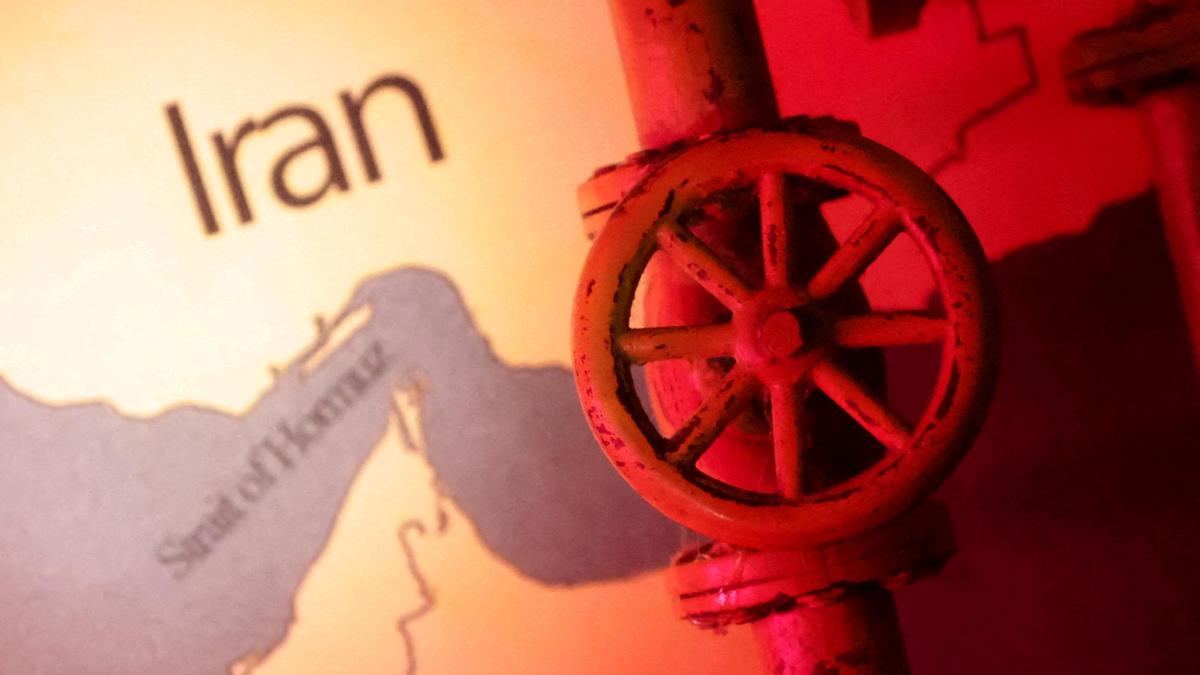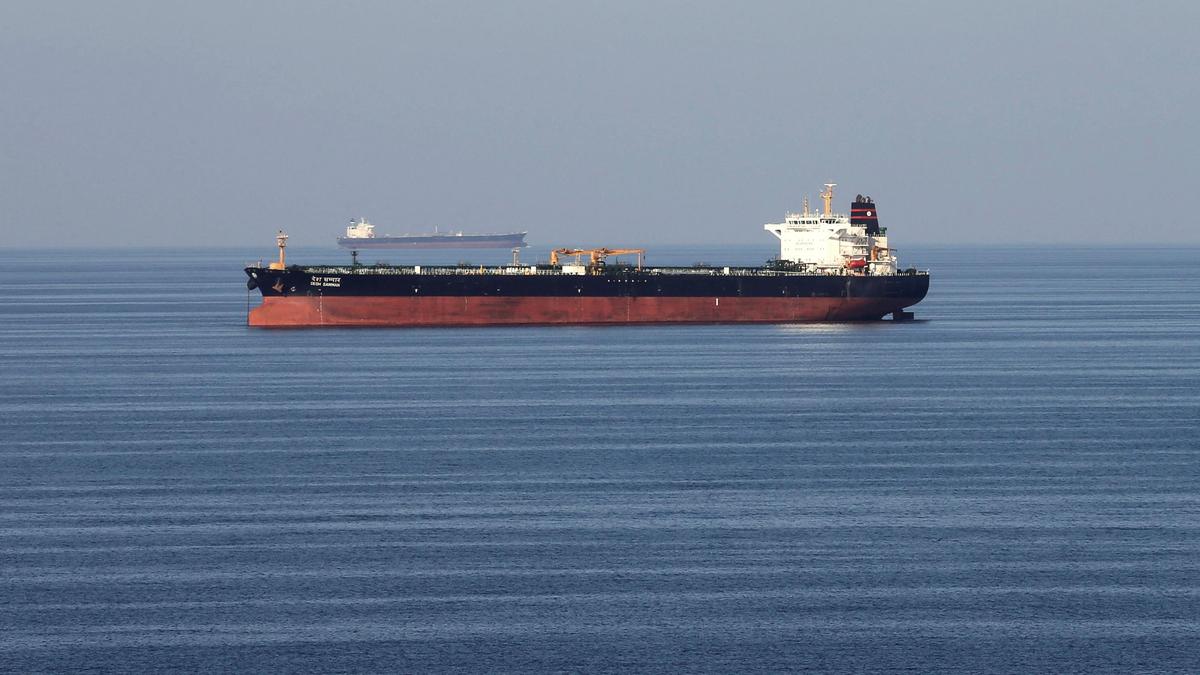
The Strait of Hormuz is a narrow strip of water that dictates the survival of the global economy. It is not just a shipping lane. It is a juggernaut of geopolitical leverage. When tensions rise in the Middle East, the immediate spike in crude oil prices reflects a deep-seated fear that the world’s most critical energy artery could be severed. This 21-mile-wide passage handles roughly 20 percent of the world’s total liquid petroleum consumption. If the flow stops, the shockwaves would be felt from the gas pumps of suburban America to the industrial hubs of East Asia within days.
While market analysts often focus on the immediate threat of military blockades, the reality of the crisis is far more layered. It involves insurance premiums, the physical limitations of alternative pipelines, and a complex web of regional rivalries that turn a geographic feature into a weapon of economic war.
The Brutal Math of Global Oil Flow
To understand the panic, you have to look at the volume. Approximately 20 million barrels of oil pass through the Strait of Hormuz every day. This includes massive quantities of crude from Saudi Arabia, the United Arab Emirates, Kuwait, Iraq, and Iran. It is also the primary exit route for nearly all of Qatar’s Liquefied Natural Gas (LNG).
The geography is unforgiving. Although the strait is 21 miles wide at its narrowest point, the shipping lanes used by massive tankers are only two miles wide in each direction. These lanes are separated by a two-mile buffer zone. This creates a predictable, highly vulnerable path for any actor looking to disrupt global trade.
When a crisis erupts, the price of oil doesn't just rise because of a physical shortage. It rises because of the risk premium. Traders begin betting on the worst-case scenario. Even if a single barrel hasn't been delayed, the cost of insuring a tanker traveling through the Persian Gulf can skyrocket by 1,000 percent in a week. Those costs are passed directly to the consumer.
The Myth of Easy Detours
A common counter-argument suggests that the world has built enough pipelines to bypass the Strait of Hormuz. This is a dangerous oversimplification. While Saudi Arabia and the UAE have invested billions in pipelines that reach the Red Sea and the Gulf of Oman, these alternatives lack the capacity to replace the strait.
Most of these pipelines are already running at partial or full capacity for regular operations. Currently, the total bypass capacity stands at roughly 6 to 7 million barrels per day. That leaves a massive deficit of over 13 million barrels that have no other way to reach the market. There is no "Plan B" for a total closure.
Capacity Gap Table
| Route | Capacity (Million Barrels/Day) | Status |
|---|---|---|
| Strait of Hormuz | ~21 | Essential |
| Petroline (Saudi Arabia) | 5 | Partially Utilized |
| ADCOP Pipeline (UAE) | 1.5 | Active |
| Abqaiq-Yanbu Gas Line | 0.3 | Limited Conversion |
The infrastructure simply isn't there to handle a full-scale redirection of traffic. Furthermore, pipelines are fixed targets. They are vulnerable to sabotage and cyberattacks, making them a fragile safety net at best.
The Insurance War and the Ghost Fleet
Long before a shot is fired, the war is won or lost in the offices of London insurance underwriters. The "War Risk" designation is the true trigger for oil price spikes. Once a region is declared a high-risk zone, the "Additional Premium" charged to shipowners becomes a massive overhead.
In recent years, we have seen the emergence of a "ghost fleet"—tankers operating with obscured ownership and disabled transponders. These vessels often carry sanctioned oil, but in a crisis involving the Strait of Hormuz, the presence of unidentified ships increases the risk of miscalculation. A single collision or a "false flag" incident in these crowded waters could provide the pretext for a total naval blockade.
Why Military Might Isn't a Guarantee
The United States Fifth Fleet is stationed in Bahrain specifically to keep these lanes open. However, modern asymmetric warfare has changed the calculus. A state doesn't need a massive navy to close the strait. They only need sea mines, fast-attack boats, and shore-to-ship missiles.
Clearing sea mines is a slow, methodical process. Even the most advanced navy in the world cannot "rush" a demining operation without risking its billion-dollar assets. If the strait were salted with sophisticated mines, it could take weeks or months to fully restore safe passage. During that time, the global economy would be starved of a fifth of its energy supply.
The Asian Connection
The fear of a Hormuz closure is particularly acute in Asia. China, India, Japan, and South Korea are the primary destinations for the oil flowing through the strait. Unlike the United States, which has increased its domestic production via shale, these nations remain heavily dependent on Middle Eastern imports.
A prolonged closure would force these countries to tap into their Strategic Petroleum Reserves (SPR). However, those reserves are finite. If China sees its energy security threatened, it may be forced to intervene diplomatically or militarily, adding another layer of volatility to an already combustive situation. This is no longer just a regional dispute; it is a flashpoint for a potential global conflict over resources.
The Reality of Sunk Costs
We often talk about "oil prices" as a monolithic number, but a Hormuz crisis reveals the fracture lines in the market. Brent crude and West Texas Intermediate (WTI) usually move in tandem, but a blockage in the Persian Gulf would cause a massive "spread" between the two. Brent would soar as international supply vanishes, while WTI might see a smaller increase, protected by the geographic insulation of the Americas.
This creates a perverse incentive for some market players. Speculators and certain producers outside the region actually stand to profit from the chaos. This financial reality often complicates diplomatic efforts to de-escalate tensions, as there are always voices in the room who benefit from the "fear trade."
The Psychological Floor
The most overlooked factor in the Strait of Hormuz crisis is the "psychological floor" of the oil market. Once prices hit a certain level due to geopolitical fear, they rarely return to their previous lows even after the threat subsides. The "new normal" incorporates a permanent risk hedge.
Every time a tanker is harassed or a drone is intercepted near the strait, the floor rises. We are currently operating in an environment where the market has priced in a "constant low-level conflict." If that conflict ever graduates to a full-scale closure, the mathematical result is $200 per barrel oil. The economic devastation of such a price point would trigger a global recession, collapse the trucking industry, and lead to widespread civil unrest in developing nations that cannot afford the subsidy costs.
The world’s reliance on this single point of failure is a testament to a decades-long refusal to diversify energy routes. We are not just watching a shipping lane; we are watching the carotid artery of global commerce. If it gets squeezed, the whole body goes into shock.
Track the "War Risk" premiums in the coming weeks. That is where the real story is written.