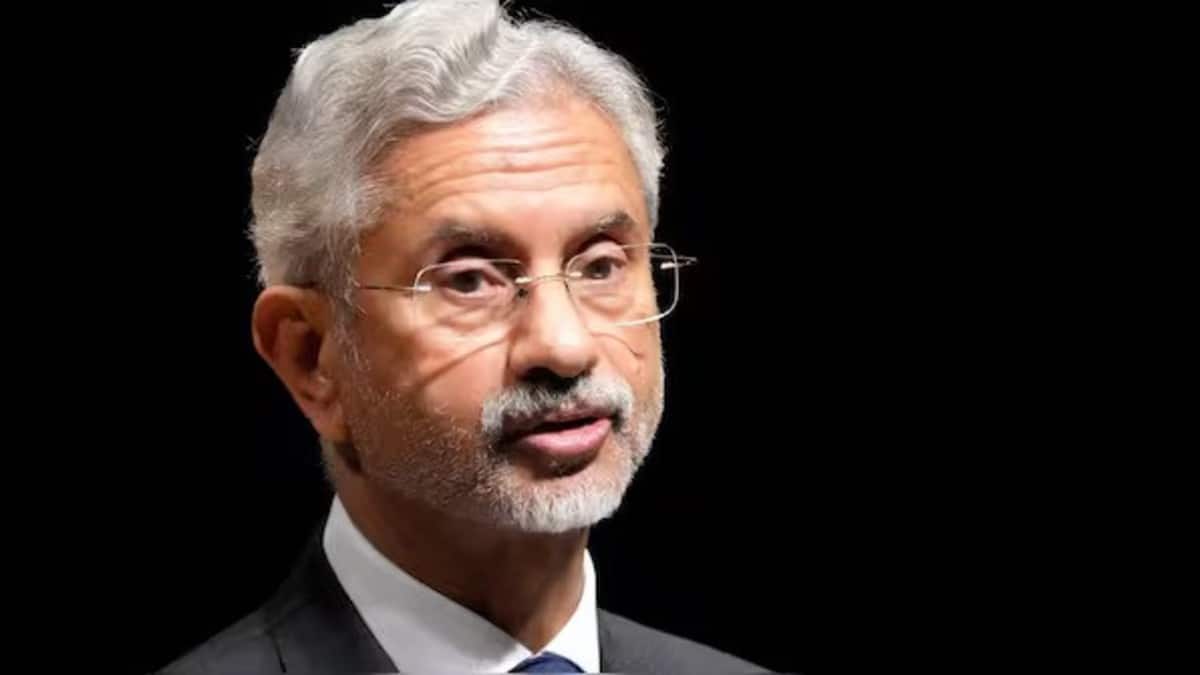
The bullets and missiles flying across West Asia aren't just a regional nightmare. For India, this isn't some distant geopolitical chess match played on a screen. It's a domestic crisis waiting to happen. When the Indian government "raises its voice clearly" for dialogue, it isn't just performing diplomatic theater. It's protecting a literal lifeline.
We're talking about 10 million people. That's the number of Indian nationals currently living and working across the Gulf and the broader Middle East. If that region goes up in flames, India doesn't just lose a few trade deals. It faces a humanitarian evacuation challenge that would dwarf anything seen in modern history.
The Massive Human Cost of Escalation
Most people don't grasp the sheer scale of the Indian diaspora in this part of the world. It's the largest of its kind anywhere. From high-flying tech consultants in Dubai to the construction crews building the infrastructure of Riyadh, these 1 crore (10 million) citizens are the backbone of India’s foreign exchange. They send home billions in remittances every year.
If a full-scale war breaks out between major powers in the region, those people are in the crosshairs. We’ve seen what happens when things get ugly. Remember the 1990 airlift from Kuwait? That involved 170,000 people and it was a logistical miracle. Now, multiply that by nearly 60. It’s an impossible math problem. That's why the Ministry of External Affairs is sounding the alarm so loudly. They aren't just worried about oil prices—though that's a mess too. They're worried about their own people being trapped in a combat zone.
Dialogue is Not a Weak Option
Critics sometimes call for "decisive action" or want India to pick a side. That’s a mistake. India’s strength has always been its ability to talk to everyone. It manages to maintain a strategic partnership with Israel while keeping deep, historical ties with Iran and the Arab world.
Choosing a side doesn't help the 10 million workers on the ground. It paints a target on them. By pushing for an immediate ceasefire and a return to the negotiating table, India is playing the long game. The focus on "restraint" and "de-escalation" might sound like diplomatic fluff to the casual observer, but it’s the only path that prevents a total regional collapse.
Energy Security and the Economic Ripple
Let's talk about your petrol bill. India imports a staggering amount of its crude oil from this region. Any disruption to the Strait of Hormuz or major shipping lanes means prices at the pump in Delhi or Mumbai skyrocket overnight.
- Supply Chain Chaos: It's not just oil. The Red Sea shipping routes are already under pressure.
- Remittance Drop: A conflict sends workers home. That means less money flowing into Kerala, Tamil Nadu, and Punjab.
- Investment Stalls: Huge projects like the India-Middle East-Europe Economic Corridor (IMEC) can't happen if the transit points are on fire.
The economic stability of the Indian middle class is tied directly to the stability of West Asian borders. You can't separate the two. When the government flags safety concerns, they're acknowledging that the Indian economy is physically tethered to the peace in Jerusalem, Tehran, and Riyadh.
What the International Community Misses
Many Western analysts view the conflict through a purely military or ideological lens. They look at who has the better drones or who has the historical right to a piece of land. India looks at it through the lens of human security.
The Indian government has been consistent. They’ve condemned acts of terrorism, but they’ve also been firm that the humanitarian situation in Gaza and the widening spillover into Lebanon and beyond is unsustainable. It's a balanced approach because it has to be. You don't have the luxury of being purely ideological when 10 million of your citizens are living in the neighborhood.
The Real Risks of a Multi-Front War
The nightmare scenario is a war that isn't contained. We’re already seeing sparks in the Red Sea and skirmishes on multiple borders. If this turns into a direct, sustained conflict between regional heavyweights, the "safety" of those 1 crore nationals becomes a fiction.
Communication lines could go down. Airports could close. The sheer logistics of moving that many people out of harm's way would require a global effort that currently doesn't exist. India's plea for dialogue is a desperate attempt to keep the lid on a pressure cooker that's already whistling.
How to Stay Informed and Safe
If you have family working in the region, "business as usual" isn't a strategy. The situation changes by the hour. Stay connected with the local Indian Embassy or Consulate.
- Register with the MADAD portal. It’s the official way the government tracks citizens abroad for emergency services.
- Keep travel documents updated. Don't wait for a crisis to realize your passport expires in a month.
- Monitor official advisories. Ignore the WhatsApp rumors. Follow the Ministry of External Affairs (MEA) social media handles for verified updates.
- Have a contingency plan. Know where the nearest safe zones or transport hubs are located.
The push for peace isn't just about high-level politics. It's about the security of millions of families. India will keep raising its voice because, honestly, the alternative is a disaster we can't afford to witness.