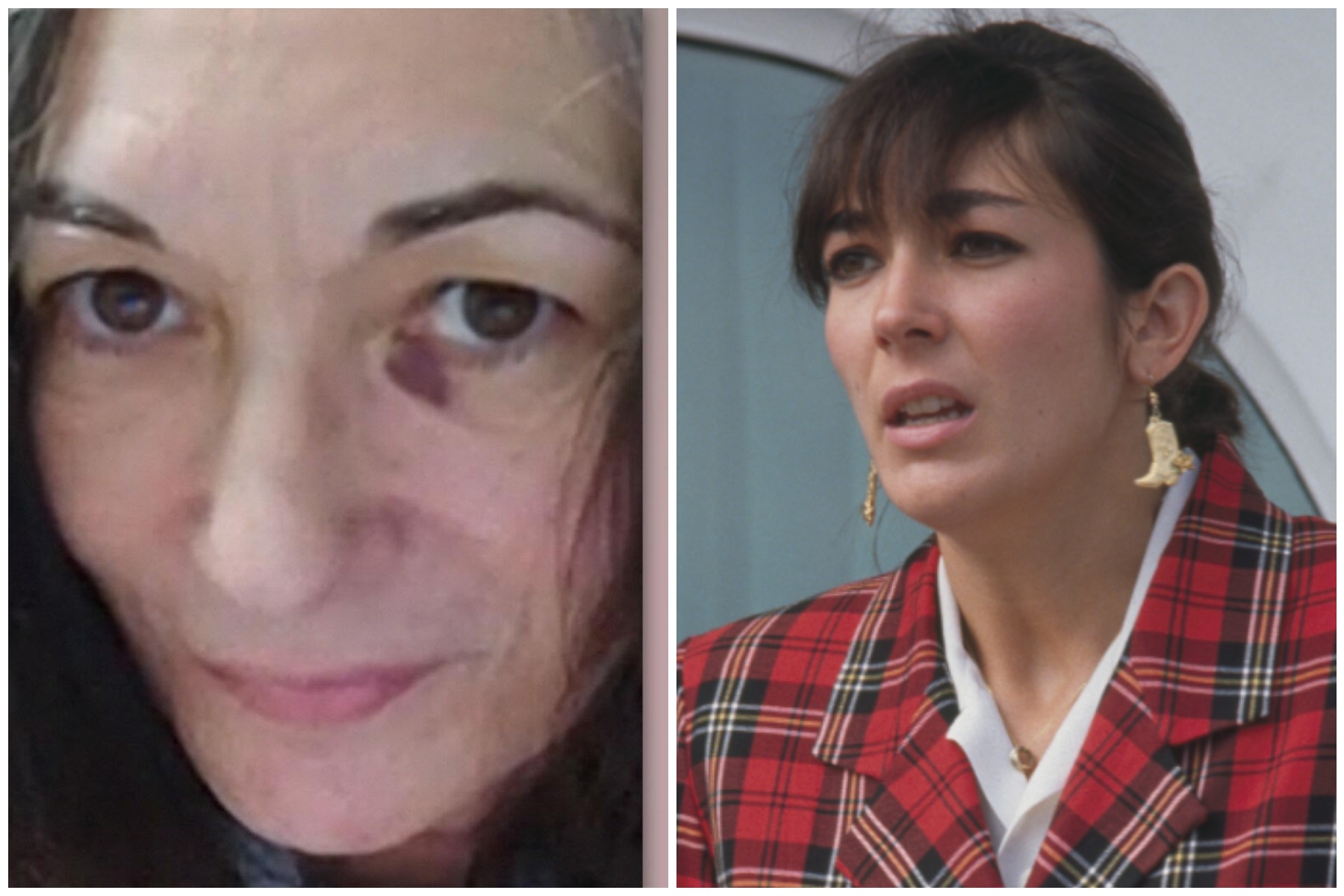
Nemesio Oseguera Cervantes is dead and the streets of Mexico are feeling it. Better known as El Mencho, the leader of the Jalisco New Generation Cartel (CJNG) was the most wanted man in North America. His death isn't just a win for law enforcement. It's a massive disruption to a power structure that spans continents. For Indian citizens living in or traveling through Mexico, the fallout is immediate and dangerous.
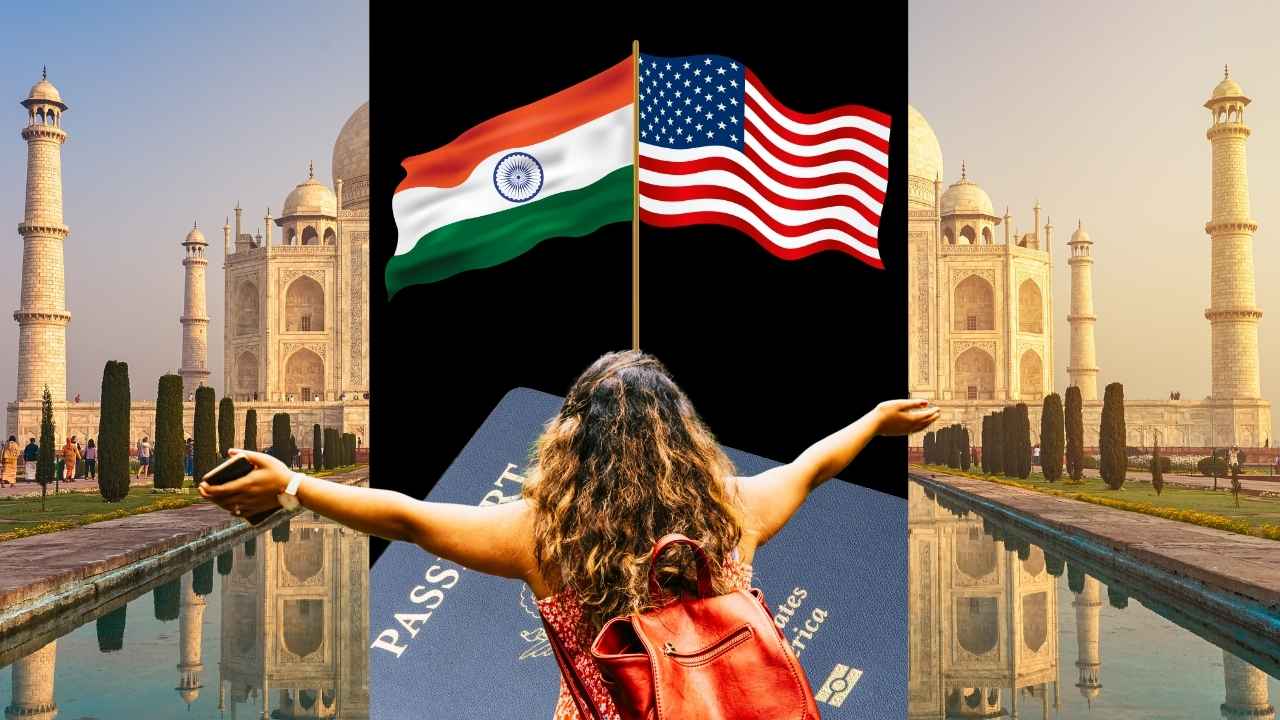
The Indian Embassy in Mexico City didn't wait for the dust to settle. They've issued a high-level advisory for all nationals. This isn't your standard "watch your bags" warning. This is a direct response to a surge in blockades, arson, and localized gunfights that usually follow a vacuum at the top of a cartel. If you're there, you need to pay attention.
Why El Mencho Mattered
You can't understand the current violence without knowing who El Mencho was. He didn't just run a drug gang. He ran a paramilitary organization that challenged the Mexican state directly. Under his watch, the CJNG became the most aggressive player in the underworld. They used drones with explosives. They shot down military helicopters.
When a figure this large is removed, two things happen. First, the CJNG starts fracturing from within as lieutenants fight for the crown. Second, rival cartels like the Sinaloa Cartel see an opening. They move in to grab territory. That means the "peace" maintained by a single dominant force is gone. In its place is a multi-front war.
Breaking Down the Indian Government Advisory
The Ministry of External Affairs usually keeps these advisories broad, but the specifics here are telling. They're telling you to stay put. If you don't have to be on the road, don't be.
The advisory specifically highlights the states of Jalisco, Guanajuato, and Zacatecas. These are CJNG strongholds. It's where the "narcobloqueos" happen. That's when cartel members hijack buses and trucks, set them on fire, and park them across highways to stop the military from moving. If you're a tourist caught in that, you're in a very bad spot.
Indians in Mexico, especially those in the tech and manufacturing sectors in Guadalajara, are being told to register with the Embassy immediately. It's about accountability. If things go south and a localized evacuation or "shelter-in-place" order comes through, they need to know where you are.
The Reality of Violence in Mexico Right Now
Let's be honest about what this looks like on the ground. It’s not a movie. It’s messy. Most of the violence is "inter-cartel," meaning they're killing each other. But the collateral damage is real. Stray bullets don't care about your passport.
The timing is also brutal. Mexico has been trying to bolster its image as a nearshoring hub for global business. Indian companies have been pouring money into Mexican operations to get closer to the US market. This instability puts those workers at risk.
I've seen how these situations evolve. One minute the street is quiet. The next, the shops are closing their metal shutters because a convoy of "monstruos"—improvised armored vehicles—is rolling through. It’s unpredictable. That’s the keyword. Unpredictable.
What You Should Actually Do
If you’re an Indian national in Mexico, stop doom-scrolling and take three concrete steps.
Check your documents. Make sure your passport is valid and you have digital copies of everything stored in a secure cloud. If you need to leave quickly, you don't want to be hunting for paperwork.
Limit your night travel. Most of the heavy movement happens under the cover of darkness. Stick to the "Cuota" or toll roads during daylight hours if you absolutely must move between cities. These are generally better protected than the "Libre" or free roads.
Stay off social media regarding the cartel. It sounds simple, but people get curious. Posting photos of military movements or, heaven forbid, cartel activity, makes you a target. Keep your head down. Keep your circle small.
The Global Ripple Effect
The death of El Mencho isn't just a Mexican problem. The CJNG has tentacles in Europe, Asia, and the US. Law enforcement agencies globally are bracing for a shift in how synthetic drugs move. For India, the concern is primarily the safety of its diaspora.
There are thousands of Indian students and professionals in Mexico. Their safety is a diplomatic priority. The Indian Embassy is coordinating with Mexican federal authorities, but remember that local police in many regions are either outgunned or compromised. You are your own first line of defense.
Monitor the official social media handles of the Indian Embassy in Mexico (@EmbaMexInd) and the MHA. They post updates in real-time when a specific neighborhood or highway becomes a "red zone." Don't rely on rumors from WhatsApp groups. Verify everything.
If you’re planning a trip to Mexico from India in the next few weeks, rethink it. This isn't about fear-mongering. It's about logistics. Airports stay open, but getting to them can become a nightmare if the highways are blocked. Wait for the reorganization of the cartels to stabilize before you book that flight to Puerto Vallarta or Guadalajara. The beaches will still be there, but right now, the security situation is a moving target.
Pack an emergency bag with essentials, keep your phone charged at all times, and ensure your local contacts know your daily itinerary. Security isn't a suggestion right now. It's a requirement.