The rules of engagement in the Middle East didn't just change; they were set on fire. Israel’s message to Tehran on Wednesday was blunt: it doesn't matter who picks up the mantle after Ali Khamenei. If you take that job, you're a dead man. Defense Minister Israel Katz made it official, calling any potential successor an "unequivocal target for elimination." This isn't just tough talk for a domestic audience. It’s a total shift in strategy that turns the Iranian head of state into a high-stakes liability rather than a position of power.
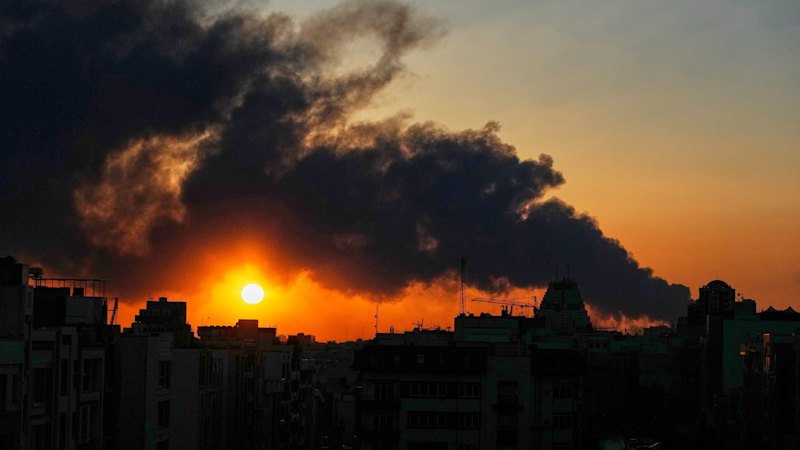
Israel isn't waiting for the dust to settle in Tehran. While the Iranian Assembly of Experts scrambled in the holy city of Qom to figure out who’s next, Israeli jets were already busy pounding targets in Beirut and Tehran. This isn't a localized skirmish. We're looking at a systematic attempt to dismantle the "Axis of Resistance" from the top down.
The Succession Crisis in Qom
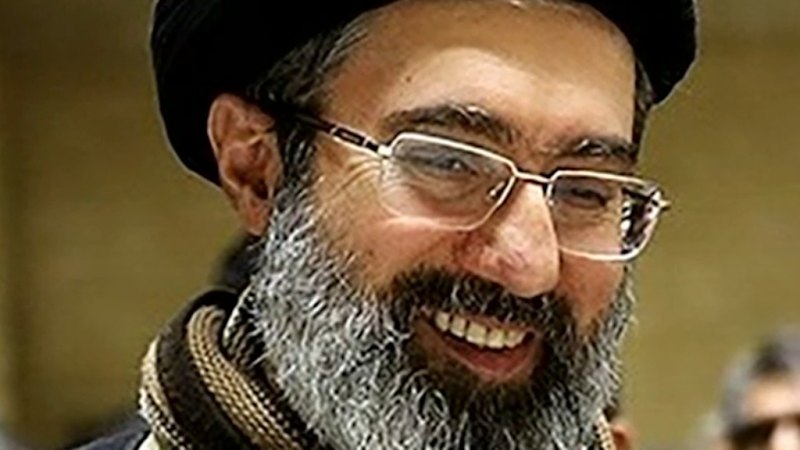
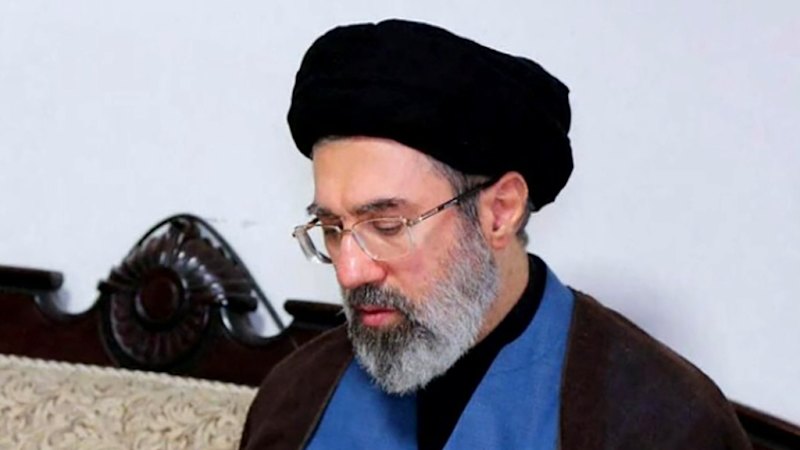
For decades, the question of who would follow Ayatollah Ali Khamenei was a parlor game for analysts. Now, it’s a matter of survival. Reports suggest Mojtaba Khamenei, the late leader's son, is the frontrunner. He's got the hardline credentials and the IRGC (Islamic Revolutionary Guard Corps) backing, but he’s also stepping directly into the crosshairs.
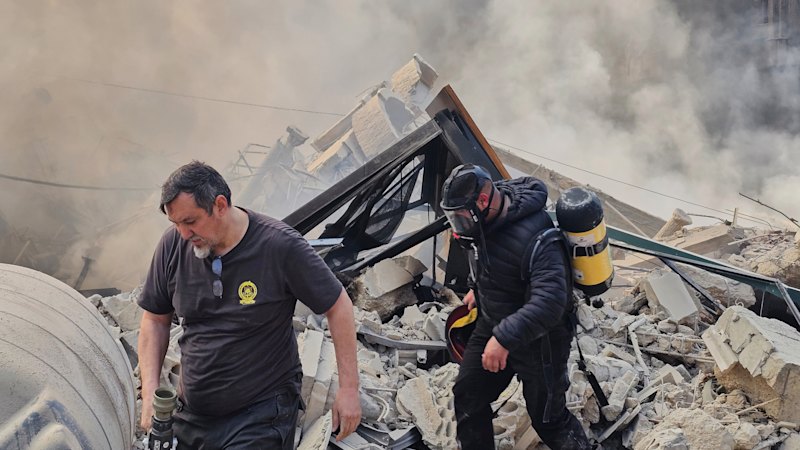
Israel’s threat makes the vacancy the most dangerous job in the world. By targeting the Assembly of Experts' building in Qom—the very group tasked with picking the next leader—Israel and the U.S. sent a physical reminder that no one is out of reach. If you’re a senior cleric weighing the perks of the Supreme Leadership, the prospect of a Hellfire missile through your office window tends to dampen the ambition.
Why Beirut is Feeling the Heat
You can't talk about Tehran without talking about Beirut. Hezbollah is the crown jewel of Iran’s regional strategy, and right now, that jewel is being crushed. The IDF has stepped up strikes on Beirut’s southern suburbs, specifically targeting Hezbollah’s intelligence and financial hubs.
- Hussein Makled, the head of Hezbollah’s intelligence headquarters, was taken out in an overnight strike.
- Naim Qassem, the group's current leader, has been added to the same "elimination list" as Iran’s next Supreme Leader.
- Al-Qard al-Hasan branches—the group’s semi-official bank—are being leveled to choke off the cash flow.
The Lebanese government is trying to distance itself from the wreckage. Prime Minister Nawaf Salam has effectively banned Hezbollah’s military activity, demanding they hand over their weapons. It’s a bold move, but in a country where Hezbollah has historically been stronger than the army, it remains to be seen if the state can actually enforce it.
The Strategy Behind the Chaos
What’s the actual goal here? It’s more than just revenge. Operation "Lion’s Roar" (Israel's codename) and "Epic Fury" (the U.S. version) are designed to induce regime collapse. By killing the Supreme Leader and threatening his successor, the alliance is betting that the internal power struggle will finish what the bombs started.
The Iranian regime is at its weakest point in years. The economy is in the gutter, and the memories of the January protests—where 7,000 people were killed—are still fresh. Israel and the U.S. are essentially trying to decapitate the leadership while the body is already failing.
What’s actually being hit?
- Command and Control: Strike after strike has targeted the Basij paramilitary centers and IRGC logistics sites.
- Air Defenses: Before the high-profile assassinations, the U.S. spent days suppressing Iran’s S-300 and S-400 systems.
- Leadership Compounds: They aren't just hitting military bases; they're hitting the homes and offices of the decision-makers.
The Global Fallout
This isn't happening in a vacuum. The Strait of Hormuz is effectively a war zone. Iran has threatened to hit every economic hub in the region if the strikes continue. Oil prices are already pushing past $85, and some analysts fear a jump to $200 if the "Strait of Hormuz" is fully closed.
For the average person, this means your gas prices and shipping costs are about to get very "interesting." For the people in the region, it’s a humanitarian disaster. Over 30,000 people are displaced in Lebanon alone, and that number is climbing every hour.
Moving Forward
If you're tracking this conflict, keep your eyes on two things: the formal announcement from Tehran and the movement of the Lebanese Army. If Mojtaba Khamenei takes the throne, expect an immediate and violent response from Israel. If the Lebanese Army actually moves to disarm Hezbollah, the regional map will be rewritten for the first time since 1979.
Watch the skies over Tehran and the political maneuvering in Beirut. The next 48 hours will decide if this is a short, sharp shock or the start of a decade-long regional war.
Keep your emergency notifications on and monitor the price of Brent Crude—it’s the most honest indicator of how bad things are getting.