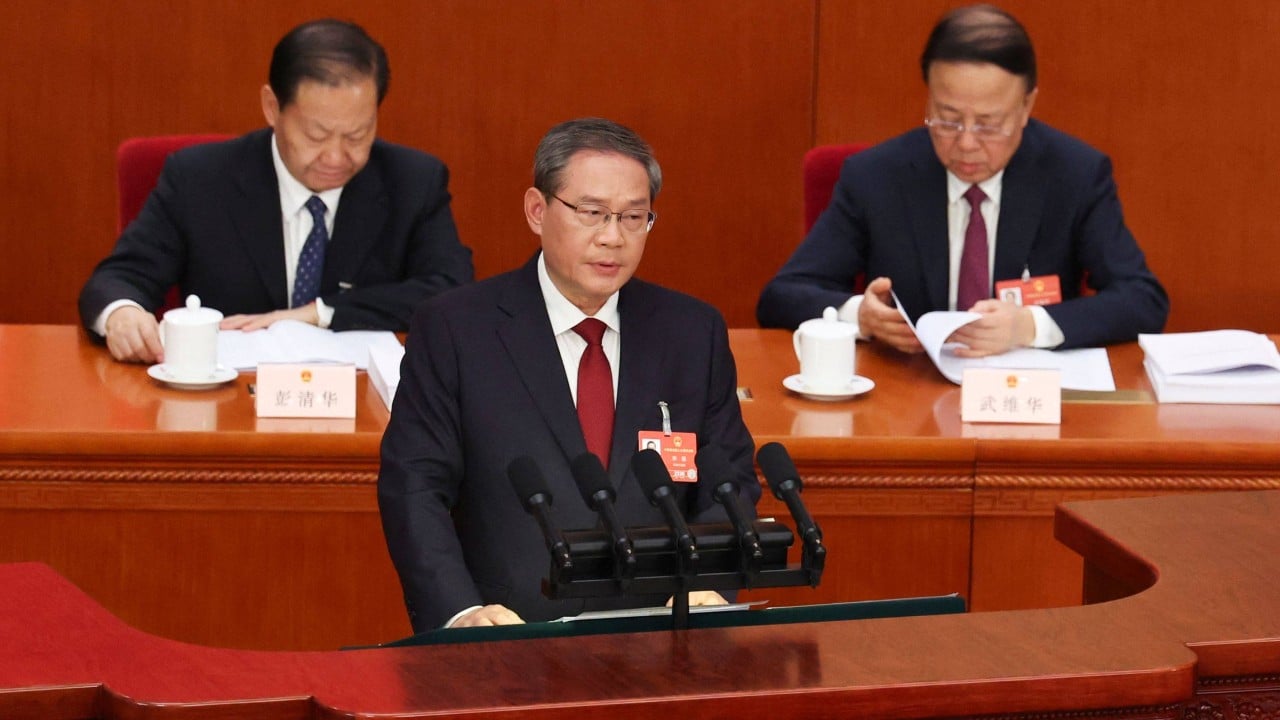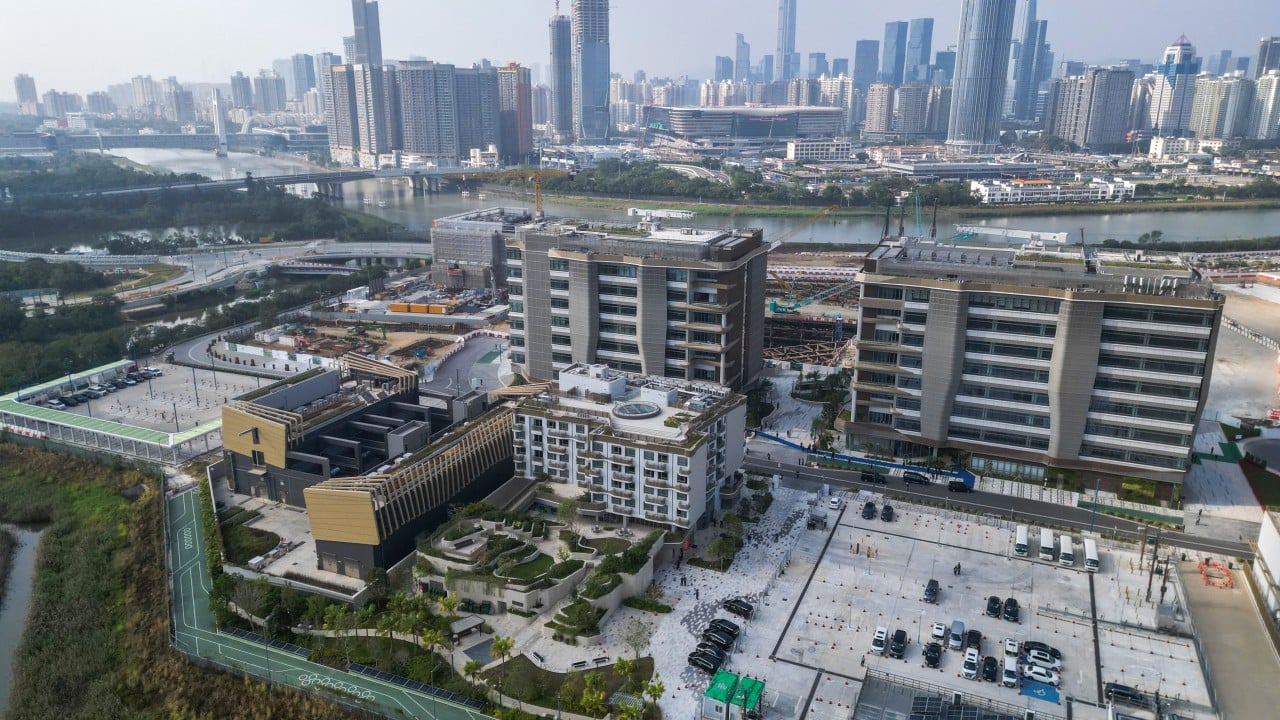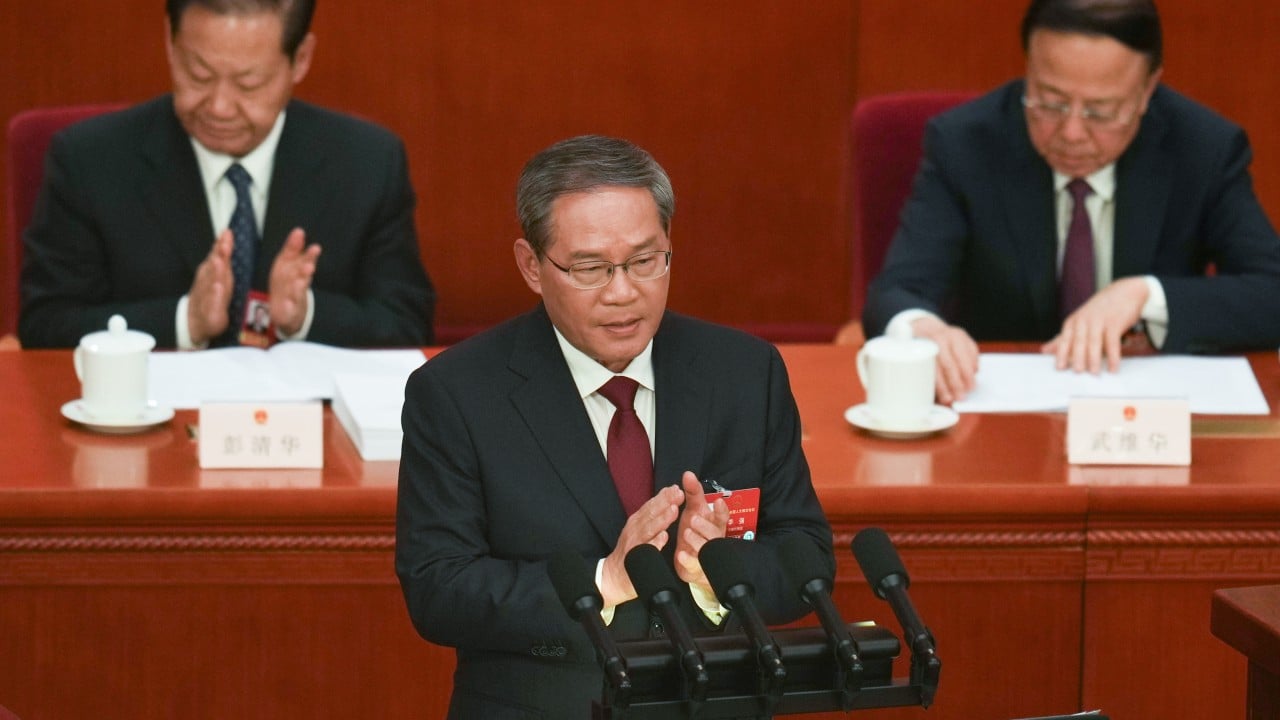
The message from Beijing to Hong Kong is no longer a gentle nudge; it is a clear directive to stop leaning on the mainland for economic life support. During a recent high-level summit, China’s leadership signaled that the city’s survival depends on its ability to function as a truly international outlier rather than just another well-behaved Chinese port. The central government expects the city to maintain its common law system and capitalistic quirks not as a favor to the local elite, but as a strategic necessity for a nation increasingly isolated by Western trade barriers.
For decades, the city operated on a "middleman" model that required little innovation. You took Western capital, funneled it into Chinese growth, and collected a fee. That era is dead. With mainland China facing its own structural slowdown and geopolitical friction mounting, the "No. 2" officials in Beijing are telling the Hong Kong administration that the city must find a way to be useful to the world again. If Hong Kong becomes indistinguishable from Shenzhen or Shanghai, it loses its reason to exist in the eyes of the global market—and eventually, in the eyes of the Communist Party.
The Myth of the Guaranteed Gateway
The fundamental problem lies in a dangerous sense of complacency. Many in the city's business circles believe that as long as they have the backing of the motherland, the money will keep flowing. This is a profound misunderstanding of how global finance works. Capital is nomadic and unsentimental. It does not stay where it is told to stay; it stays where it is safe, liquid, and profitable.
Beijing’s recent rhetoric highlights a shift in expectations. They are essentially telling Hong Kong to stop asking for more integration and start proving why its separation matters. The city’s unique status—its independent judiciary, its pegged currency, and its lack of capital controls—are the only tools it has left to attract the kind of high-grade foreign investment that the mainland cannot get on its own.
The Friction of Integration
There is a paradox at the heart of the current policy. The more the city integrates with the Greater Bay Area in terms of politics and social regulation, the harder it becomes to pitch itself as a distinct legal and financial jurisdiction.
When a hedge fund manager in New York or London looks at Hong Kong, they aren't looking for a "bridge to China" that is governed by the same restrictive norms as the destination. They are looking for a buffer zone. If the buffer disappears, the risk profile changes. The current administration in Hong Kong has spent three years focusing on security and alignment, but the economic bill for that alignment is now coming due.
The Wealth Management Illusion
The government has doubled down on family offices and wealth management as the new pillars of the economy. While attracting the ultra-wealthy is a fine pursuit for a tax haven, it does not build a resilient economy. You cannot run a city of seven million people on the management fees of a thousand billionaires.
Real economic power comes from being the primary venue for price discovery and capital allocation. Historically, Hong Kong was the place where the world decided what a Chinese company was worth. Today, that price discovery is hampered by a lack of liquidity and a shrinking pool of international participants. The IPO market, once the envy of the world, has become a ghost of its former self.
Why Talent is Still Leaving
You can build all the museums and high-speed rails you want, but talent follows freedom and opportunity. The "Why" behind the current brain drain isn't just about politics; it's about the narrowing of the city's horizons. If the work you are doing in Hong Kong is the same work you could do in Singapore or Dubai, but with more regulatory headaches and less global connectivity, the choice becomes easy.
To reverse this, the city needs to offer something the mainland cannot: a playground for experimentation. This means light-touch regulation in emerging sectors like decentralized finance and biotechnology, where the mainland’s own strictures prevent rapid growth. Beijing is giving the green light for this, but the local bureaucracy seems too timid to take the lead. They are waiting for permission when they should be taking initiative.
The High Cost of the Property Crutch
For too long, the Hong Kong government’s balance sheet has been addicted to land sales. This created a high-cost environment that stifles every other form of industry. When the cost of a 400-square-foot office is higher than the salary of a junior analyst, innovation dies in the crib.
The property market is currently in a painful correction. Instead of trying to prop it up with artificial measures, the city should view this as a necessary deflation. If Hong Kong is to be a global hub, it must be an affordable one for the people who actually do the work. The "No. 2" officials are watching how the city handles this transition. They want a partner that is lean and competitive, not one that is bloated by a real estate bubble that has finally popped.
The Geopolitical Tightrope
The most difficult "how" for the city to navigate is its relationship with the West. It is one thing for Beijing to say "stay international," but it is another thing to do so when Washington and Brussels are increasingly skeptical of the city's autonomy.
Hong Kong must stop reacting to Western criticism with purely defensive rhetoric. Instead, it needs to demonstrate through its court rulings and its regulatory independence that the "One Country, Two Systems" framework is still a functioning reality for business. This isn't about pleasing foreign governments; it's about providing the certainty that capital requires.
Practical Steps for a Hard Pivot
The city needs to stop acting like a regional branch office. Here are the hard truths about what needs to happen:
- Legal Transparency: Every high-profile commercial case must be handled with a level of transparency that leaves no room for doubt about judicial independence.
- Sector Diversification: Move beyond finance and property. Invest heavily in the "middle-man" services of the future, such as international arbitration, intellectual property protection, and specialized logistics.
- Aggressive Talent Retention: Stop the "Top Talent Pass Scheme" from being just a gateway for mainland graduates. It needs to actively target Western and Southeast Asian professionals with tax incentives and housing subsidies.
The Danger of Being "Just Another City"
If Hong Kong fails to differentiate itself, its fate is sealed. It will become a secondary hub, overshadowed by the massive industrial might of its neighbors. Beijing does not need another Shenzhen. It has one. It does not need another Shanghai. It has one. It needs a place where the rules of the world apply, even when they are inconvenient.
The pressure from the top is a reminder that the safety blanket is being pulled away. The city’s leaders have been told to find their own way in a hostile global environment. Success will require more than just slogans and "Hello Hong Kong" campaigns. It will require a fundamental reassessment of what it means to be a global city in a fractured world.
The real investigative question is whether the current leadership has the stomach to allow the kind of "managed chaos" and openness that once made the city great. Without it, the directives from Beijing will remain just words, and the city will continue its slow slide into regional irrelevance.
Evaluate the current tax incentives for international firms and compare them directly to Singapore’s latest offerings to see where the leakage is happening.