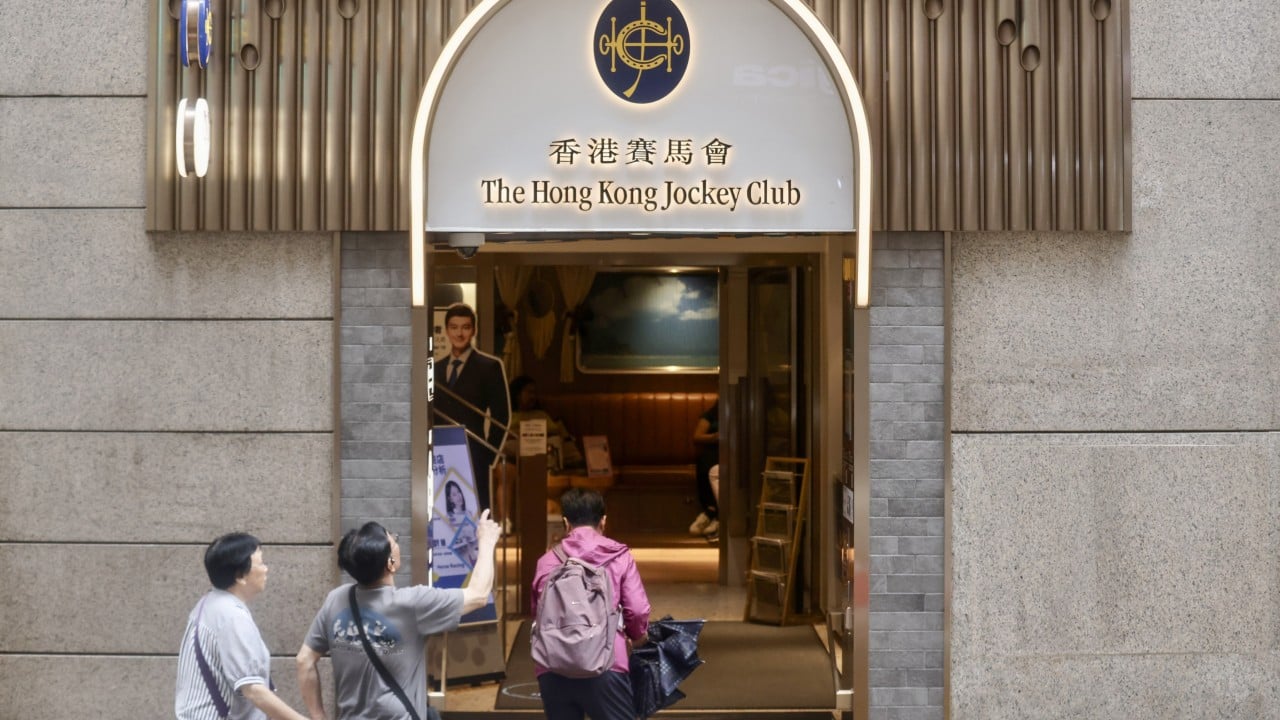
Basketball betting isn't coming to Hong Kong anytime soon. If you were hoping to place a legal wager on the NBA or the CBA through the Hong Kong Jockey Club (HKJC) this season, you're out of luck. The government just put the brakes on the whole idea. Officials are citing concerns about social impact and problem gambling, but the reality is much more complex than a simple "no."
Hong Kong operates under a strict, regulated gambling framework. You've got horse racing, football, and the Mark Six lottery. That's it. Anything else is illegal. For years, the HKJC has pushed to expand its menu to include basketball. They argue that billions of dollars are flowing out of the city into the pockets of illegal offshore bookmakers. They're right. But the Home and Youth Affairs Bureau isn't biting. At least, not today.
The Government Stands Firm Against Expansion
The decision to stall basketball betting comes down to a clash of priorities. On one side, you have the HKJC. They're the city's biggest taxpayer and its most prolific charitable donor. They see a massive market being wasted. On the other side, you have government officials and social service groups who worry that more options will create more addicts.
Secretary for Home and Youth Affairs Alice Mak has been clear. The government's policy is to "restrict gambling opportunities through a multi-pronged approach." They aren't looking to grow the betting market; they're trying to contain it. Adding basketball—a sport with a massive following among young people in Hong Kong—is seen as a bridge too far right now.
It's a tough pill for the HKJC to swallow. They pay a staggering amount in betting duty. Last year, that figure sat at roughly $28.6 billion HKD. They've even had to pay a special "extra football betting duty" of $2.4 billion HKD annually for five years to help the government's post-pandemic finances. They feel they've earned the right to expand. The government disagrees.
The Invisible Market of Illegal Betting
Let's talk about where the money is actually going. If you live in Hong Kong and you want to bet on the Lakers or the Golden State Warriors, you're doing it through an unregulated website or a local bookie. You aren't stopping just because the HKJC doesn't offer it.
Studies from the Asian Racing Federation (ARF) show that the illegal betting market in Asia is worth hundreds of billions. Hong Kong is a huge slice of that pie. By refusing to legalize basketball betting, the government isn't stopping the activity. They're just ensuring they don't get a cut of the tax revenue.
Illegal operators don't care about responsible gambling. They offer credit betting, which is a fast track to financial ruin. They don't have age verification that actually works. The HKJC argues that bringing basketball into a regulated environment would actually protect people. It's a classic "harm reduction" argument. But in the conservative halls of Hong Kong's administration, "more gambling" is rarely seen as "protection."
Why Basketball Is Different From Football
You might wonder why we can bet on football but not basketball. It feels arbitrary. Both are global sports. Both have massive fanbases in the city. The difference is historical and cultural.
Football betting was legalized in 2003. Back then, the city faced a similar crisis with illegal bookmaking during the World Cup. The government blinked. They realized they couldn't stop it, so they regulated it.
Basketball is perceived differently. It's the sport of the youth. Go to any public estate in Kowloon or Hong Kong Island, and the courts are packed. The fear is that legalizing basketball betting would target a younger demographic than horse racing or football. There’s a belief that it would "normalize" gambling for teenagers who follow NBA stars like LeBron James or Steph Curry.
The Financial Pressure on the Jockey Club
The HKJC isn't just complaining for the sake of it. They're under real financial pressure. While they've seen record turnovers in some areas, the rising costs of operation and the heavy tax burden are squeezing their ability to contribute to the Charities Trust.
If the government keeps hiking taxes without allowing new revenue streams, the model starts to crack. The HKJC recently pointed out that their football betting profits are being hit hard by the extra duty. They're effectively subsidizing the government's budget while being told they can't grow their business. It's a tense relationship.
The club needs new products to stay competitive. In a world where people can access a betting app on their phone in three seconds, the HKJC's limited offerings look dated. They aren't just competing with other sports; they're competing with the frictionless experience of the black market.
Social Concerns and the Backlash
Anti-gambling groups are celebrating this delay. Organizations like the Ping Wo Fund, which focuses on gambling prevention and recovery, have long argued that Hong Kong has enough options. They point to the rising number of young people seeking help for debt related to online betting.
There’s also the issue of the "gambling atmosphere." Critics argue that if basketball betting becomes legal, every sports bar and restaurant will be plastered with odds, changing the vibe of the city. They don't want Hong Kong to become a mini-Macau.
But here's the reality. The atmosphere is already there. It’s just hidden in WhatsApp groups and encrypted websites. By keeping it illegal, the government maintains a moral high ground but loses any oversight of the actual behavior.
Looking at the Data
The numbers don't lie. Look at the trends in other jurisdictions. When the US Supreme Court cleared the way for states to legalize sports betting in 2018, the explosion was immediate. States like New York and New Jersey have seen billions in handle and hundreds of millions in tax revenue.
Hong Kong is missing out on that. But Hong Kong also doesn't want the social fallout that sometimes follows. It's a balancing act that the city isn't ready to tip. The government wants more data. They want to see if the current "extra duty" on football affects the charity contributions before they even think about adding the NBA to the mix.
What Happens if You Bet Illegally
If you're tired of waiting and decide to use an offshore site, you're taking a massive risk. These sites have no legal obligation to pay you. If they vanish with your deposit, you have zero recourse. The police in Hong Kong have been ramping up their efforts to take down illegal gambling syndicates, especially during major sporting events.
Operating or betting with an unauthorized bookmaker can lead to heavy fines and jail time. It's not just a "grey area." It's a crime. The HKJC remains the only safe, legal way to play, which is why their push for basketball matters so much to the average fan who wants a flutter without the fear of a police raid.
The Road Ahead for Sports Wagering
The launch of basketball betting isn't dead; it's just stuck in traffic. The government hasn't said "never." They've said "not now."
Expect the HKJC to keep lobbying. They'll likely come back with more robust plans for responsible gambling safeguards. They might offer to fund more recovery programs in exchange for the basketball license. They'll also keep highlighting the loss of tax dollars to offshore entities.
For now, keep your eyes on the courts and off the betting slips. If you're looking for a legal way to support Hong Kong sports, stick to the tracks or the football pitches. The political appetite for more gambling is at an all-time low.
Don't expect a sudden shift in policy before the next budget cycle. The government is focused on economic recovery through other means. If you're a fan, the best thing you can do is stay informed about the risks of the illegal market. Avoid the "easy money" promises of offshore sites. They're a trap. Stick to the legal channels, even if they're limited. The wait for the NBA on the HKJC app continues.