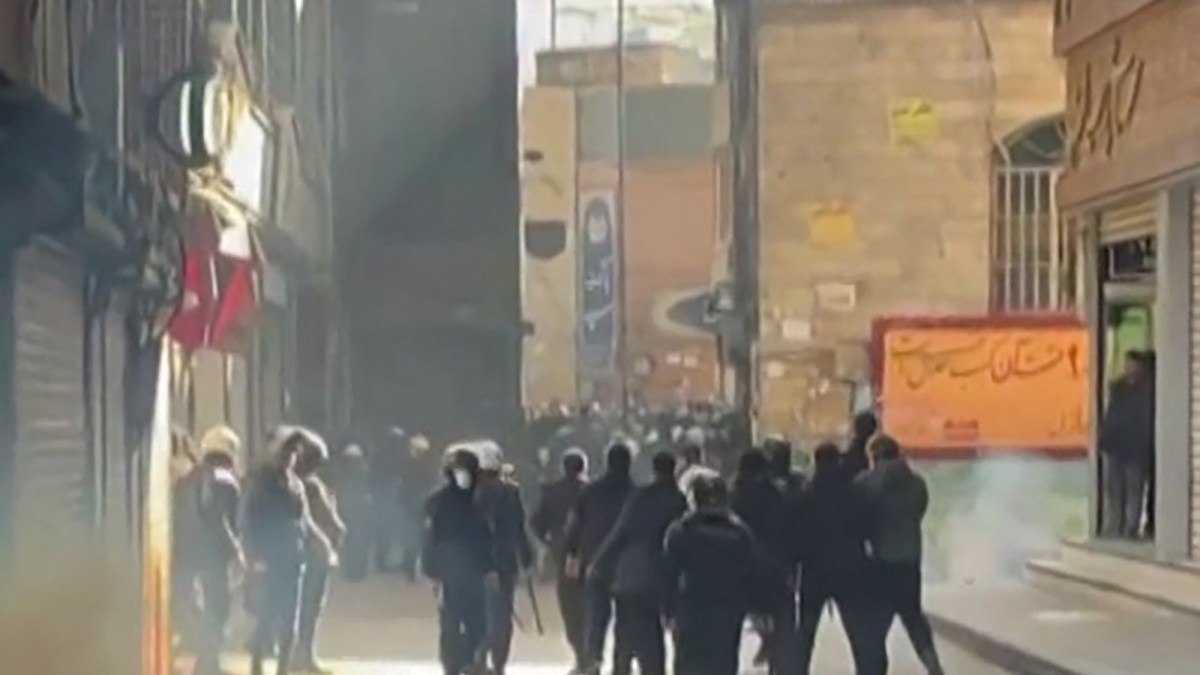
The Iranian presidency has issued a formal directive to administration officials to engage in direct dialogue with protesters, a move presented as a shift toward transparency and social reconciliation. On the surface, it looks like a concession. Beneath the bureaucratic veneer, it functions as a sophisticated pressure valve designed to neutralize dissent without adjusting the underlying policies that fueled the unrest in the first place. This is not a new chapter in Iranian governance but a refined application of "managed tension," a strategy where the state invites critics to the table primarily to identify them and dilute their collective momentum.
For the average citizen in Tehran or Mashhad, the distance between an official "listening session" and the actual repeal of restrictive social laws or the fixing of a cratered economy remains vast. The administration’s call for talk comes at a time when the technical infrastructure of the country is being tightened, making the invitation to speak feel more like a trap than a bridge.
The Architecture of Controlled Conversation
When a state with a history of heavy-handed security responses suddenly asks to talk, the first question is one of logistics. Who gets to speak? The directive specifies "administration officials," a broad term that excludes the unelected bodies where the real power resides. By keeping the dialogue within the executive branch, the state creates a buffer. The officials at these tables have the authority to listen but lacks the mandate to enact structural change. It is a classic stall tactic.
This creates a deliberate disconnect between the performance of listening and the mechanics of governing. In previous cycles of unrest, similar committees were formed, only to vanish into the bureaucracy once the streets cleared. The current mandate appears to be a digital-age version of this cycle, utilizing a veneer of accessibility to pacify a demographic that is increasingly tech-savvy and disillusioned with traditional political theater.
Surveillance Behind the Smile
You cannot separate the call for dialogue from the reality of Iran’s domestic internet policy. Even as officials are told to "listen," the state is aggressively expanding its National Information Network (NIN). This domestic intranet allows the government to maintain essential services while severing the population from the global web during periods of high tension.
The irony is thick. The administration asks for face-to-face feedback while simultaneously perfecting the tools to silence that feedback online. This "dual-track" strategy is the hallmark of modern digital authoritarianism. By moving protesters into sanctioned, physical spaces for "dialogue," the state effectively moves them away from the decentralized, uncontrollable digital platforms where their messages can go viral.
The Identity Risk
Participation in these state-sponsored dialogues carries an inherent risk for the participants. Historically, "open forums" in restrictive environments serve as data-collection exercises.
- Identification: Officials take names, note grievances, and map the leadership of local movements.
- Fragmentation: By dealing with small groups of protesters individually, the state prevents a unified front.
- Co-option: Influential voices are offered minor concessions or positions to peel them away from the broader cause.
This isn't just cynical speculation; it’s a pattern observed from the 2009 Green Movement to the more recent protests. The invitation to the table is often a precursor to an invitation to an interrogation room once the international media spotlight has shifted.
Economic Desperation as a Driver
The timing of this directive is not accidental. Iran’s economy is suffocating under the weight of sanctions, mismanagement, and a currency that has lost its footing. The administration knows that a hungry population is a dangerous one. By ordering officials to talk, the presidency is attempting to buy time. They are betting that the promise of being "heard" will act as a psychological sedative for a public tired of being ignored.
However, dialogue does not lower the price of eggs. It does not stabilize the rial. The fundamental grievance of the Iranian street is that the state’s ideological priorities are being funded at the expense of the citizens' quality of life. An official sitting in a community center listening to a father complain about his inability to buy medicine is an exercise in futility if that official cannot influence the national budget or foreign policy.
The Ghost of Previous Failures
The administration’s move is haunted by the failures of its predecessors. Every time a "reformist" or "pragmatic" window has opened in the past, it has been slammed shut by the hardline judiciary or the security apparatus. This creates a "trust deficit" that no amount of official directives can fill.
The youth, who make up the backbone of the current protest movements, are particularly immune to these overtures. They have grown up watching the cycle of hope and crackdown. For them, a government official asking for their opinion is not an opportunity—it is a performance they have seen before, and they know how the final act ends.
The Role of International Perception
A major factor in this order is the global stage. Iran is constantly negotiating its position with European powers and regional neighbors. By projecting an image of internal "dialogue" and "restraint," the administration attempts to undermine the narrative of a regime in crisis. It is a diplomatic maneuver disguised as a domestic policy.
If the administration can point to these meetings as evidence of a "maturing democracy," it becomes harder for international bodies to justify increased sanctions or diplomatic isolation. The dialogue is a product for export as much as it is a policy for internal consumption. It is theater for the United Nations as much as it is a meeting for the local neighborhood.
The Technical Reality of Dissent
While the government offers a physical table for discussion, the real battle remains in the digital realm. The Iranian government’s investment in deep packet inspection (DPI) and localized server hosting suggests they are not interested in a more open society. They are interested in a more manageable one.
The "dialogue" mandate does not include a promise to stop the throttling of social media or the arrest of digital activists. Until the technical repression stops, the verbal outreach remains a hollow gesture. In a modern state, the freedom to speak is meaningless without the freedom to connect.
The administration’s directive is an attempt to solve a 21st-century crisis with 20th-century optics. It assumes the protesters want a seat at a broken table. In reality, they are looking to build a new one.
Track the budget allocations for the Supreme Council of Cyberspace over the next quarter; if the funding for "content filtering" continues to rise alongside these "dialogue" sessions, the sincerity of the presidency’s order is officially dead.