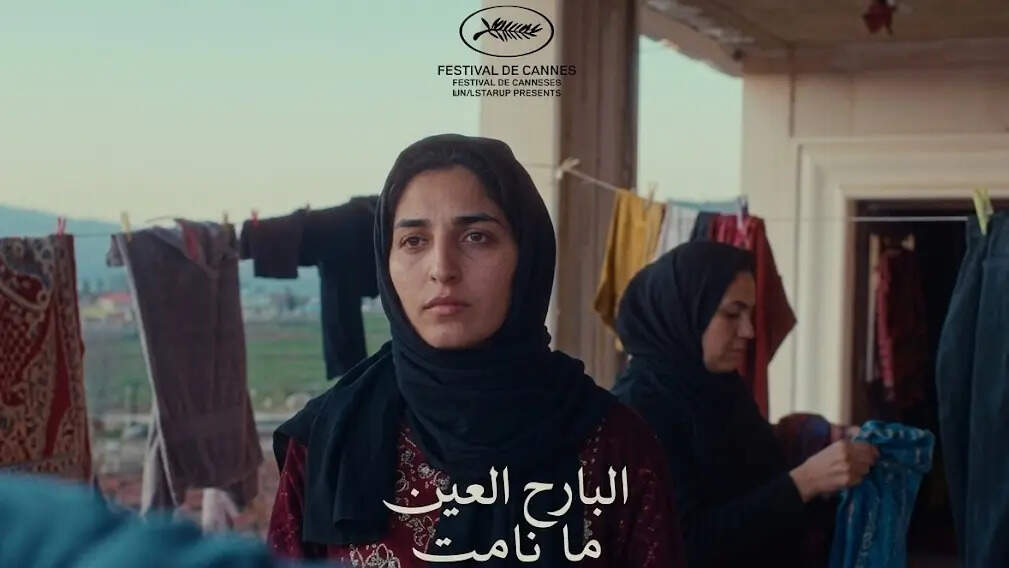
The sudden prominence of Gulf filmmakers in major categories at the 2026 Cannes Film Festival is not an overnight artistic miracle. It is the result of a calculated, multi-billion-dollar state funding campaign that has fundamentally altered the economics of international independent cinema. While the presence of Arab directors on the Croisette marks a historic shift in representation, a look behind the red carpet reveals a complex web of sovereign wealth, co-production demands, and a delicate compromise between creative freedom and geopolitical branding.
Historically, Arab cinema at prestigious European festivals was dominated by North African voices, particularly from Egypt, Tunisia, and Algeria. These filmmakers relied heavily on French cultural grants and modest local budgets to tell gritty, politically charged stories. Today, the center of gravity has shifted decisively eastward to the Arabian Peninsula. The money flowing from Saudi Arabia’s Red Sea Film Foundation and various cultural initiatives in Qatar and the United Arab Emirates has filled a massive funding void left by European austerity. But this influx of capital raises a critical question. Can an authentic independent film industry survive when its primary patron is a state apparatus?
The New Bankers of Arthouse Cinema
To understand how Gulf filmmakers secured major slots at Cannes this year, one must follow the money. Independent cinema is in a state of chronic financial crisis. Traditional European public funding has shrunk, and Hollywood studios have largely abandoned mid-budget dramas in favor of franchise intellectual property.
Into this vacuum stepped the Gulf states, armed with sovereign wealth and a desire to build cultural capital.
The mechanism is simple but highly effective. Through co-production funds, entities like the Red Sea Film Fund offer millions of dollars in finishing grants and equity financing to both regional and international directors. The terms of these grants often require production spend to occur within the host country or demand that regional talent be hired. Consequently, a vast network of international producers now routes their projects through Riyadh, Doha, or Abu Dhabi to close their financing gaps.
This financial leverage has granted Gulf cinema unprecedented access to elite festival programmers. Cannes, a festival notoriously dependent on the goodwill of wealthy patrons and influential production houses, has naturally adapted to the new financial reality. The films gracing the screens this year are undeniably polished, boasting high production values that were historically out of reach for Arab directors. Yet, this glossy finish sometimes masks a deeper tension regarding what stories are allowed to be told.
The Invisible Red Lines of State Patronage
No government funds art without expecting a return on investment. For European states, that return is traditionally cultural prestige and the promotion of democratic values. For the Gulf states, the return is twofold: domestic economic diversification away from oil and the projection of a modern, progressive image to the global community.
This creates a highly complex environment for filmmakers. Independent cinema thrives on dissent, boundary-pushing, and the questioning of authority. Conversely, the institutions funding these new films represent absolute monarchies with strict legal codes regarding expression, religion, and social behavior.
Filmmakers navigating this space must master the art of the unsaid.
There are clear red lines that cannot be crossed if a project hopes to secure Gulf funding. Direct political criticism of regional ruling families is strictly off-limits. Deep explorations of sensitive religious topics or explicit LGBTQ+ themes are similarly non-starters. To survive and secure funding, directors have developed a highly metaphorical cinematic language. They address social inequality, women's rights, and generational divides through historical allegories or deeply personal family dramas that bypass the censors while still delivering a poignant message.
This compromise is not unique to the Middle East. For decades, Hollywood filmmakers have adjusted their scripts to appease military advisors or secure access to the massive Chinese theatrical market. However, in the realm of arthouse cinema—where authenticity is the primary currency—the stakes feel significantly higher.
The Disenfranchisement of the Traditional Arab New Wave
The rapid rise of well-funded Gulf cinema has had an unintended side effect. It has marginalized the traditional, less affluent film hubs of the Arab world.
Consider the stark contrast between the current state of Egyptian or Lebanese cinema and that of the Gulf. Egypt has a century-old cinematic heritage, a deep pool of experienced crew members, and a rich history of social realism. Lebanon has produced some of the most intellectually daring films in the region despite enduring decades of economic collapse. Yet, filmmakers in Cairo and Beirut are struggling to survive.
They cannot compete with the sheer financial might of Saudi or Emirati production houses.
+------------------+-----------------------------+-----------------------------+
| Feature          | Traditional Hubs (EG, LB)   | Emerging Gulf Hubs (SA, AE) |
+------------------+-----------------------------+-----------------------------+
| Funding Source   | Scarce, mostly foreign aid  | Abundant state grants       |
| Infrastructure   | Aging studios, rich history | State-of-the-art facilities |
| Creative Freedom | High risk, heavy censorship | Managed, strategic topics   |
| Festival Access  | Declining due to budgets    | Rapidly rising footprint    |
+------------------+-----------------------------+-----------------------------+
When a Gulf fund steps in to co-produce a Lebanese or Egyptian film, it often comes with strings attached. Post-production might be moved to Jeddah, or key crew roles must be given to Gulf nationals to satisfy grant quotas. While this helps train a new generation of Gulf media professionals, it gradually hollows out the creative infrastructure of the older, established hubs. The talent is migrated to where the capital is, leaving local industries depleted.
Building a Real Industry Versus Buying a Brand
The ultimate test for the Gulf's cinematic ambition is sustainability. Cannes selections and glittering gala screenings are excellent public relations tools, but they do not automatically equal a self-sustaining domestic industry.
A healthy film ecosystem requires more than just high-end cameras and foreign directors using local crew as cheap labor. It requires a robust domestic audience, a network of independent cinemas, local film criticism, and a culture that views filmmaking as a viable, long-term career path rather than a temporary state-sponsored hobby.
Currently, the domestic theatrical market in the Gulf remains heavily dominated by American blockbusters and mainstream Egyptian comedies. The very films winning accolades at Cannes are rarely seen by the local population. They play in limited festival runs or sit on regional streaming platforms, viewed primarily by an educated, cosmopolitan elite.
Without a domestic audience that engages with these films, the entire project risks becoming an expensive exercise in cultural diplomacy. If the political winds shift or state priorities change, the funding could dry up overnight, leaving behind empty soundstages and a stranded generation of young creatives who were never taught how to build a business model independent of government subsidies.
The Path to Genuine Independence
For Gulf cinema to mature from a state-funded phenomenon into a genuine cultural force, the relationship between patron and artist must evolve.
First, funding bodies must establish arms-length principles. The most successful cultural agencies in the world, such as the British Film Institute or France's CNC, operate with a high degree of independence from the governments that fund them. Decisions are made by peer-review panels of artists and industry professionals, not state bureaucrats. This shields the work from shifting political agendas and allows for genuine, uncensored creative expression.
Second, there must be a concerted effort to build local distribution infrastructure. Subsidizing ticket prices for local independent films, creating arthouse cinema chains, and integrating film education into school curriculums would help foster an audience that actually cares about the stories being told.
The talent in the region is undeniable. The filmmakers representing the Gulf at Cannes this year possess a unique, powerful vision that deserves to be heard. But if they remain entirely dependent on the benevolence of the state, their stories will always carry an asterisk. True cinematic greatness cannot be purchased; it must be allowed to speak without permission.