Pakistan's patience has hit a wall. General Asim Munir didn't mince words during his recent interaction at the National Defense University. He laid out a blueprint for Pak-Afghan ties that shifts from "brotherly hope" to "security-first reality." If you've followed the volatile border for the last decade, you know this isn't just another diplomatic jab. It’s a fundamental shift in how Islamabad views the Kabul regime. The message is simple. No more terror, or no more peace.
For years, the narrative around the Durand Line was draped in the language of shared faith and history. That’s gone. Now, it’s about the Tehrik-i-Taliban Pakistan (TTP) and whether the Afghan Taliban actually has the will to stop them. Munir’s stance reflects a military and political establishment that feels burned by the 2021 takeover in Kabul. They expected a partner. They got a sanctuary for their worst enemies.
Why the TTP is the Breaking Point
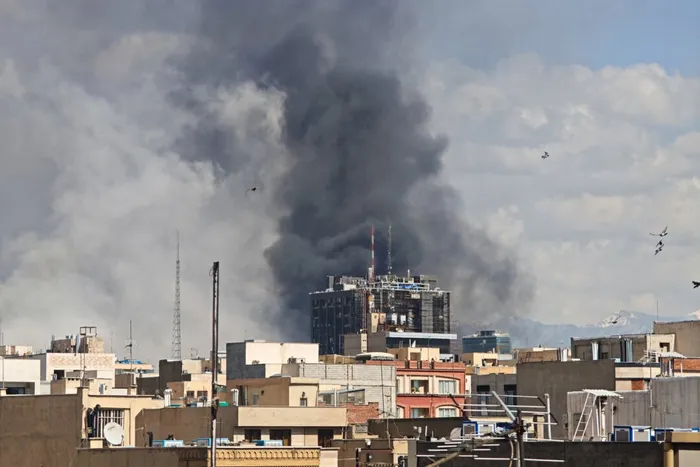
The TTP isn't just a ragtag group of insurgents anymore. They’ve grown bolder, more tech-savvy, and better armed. Since the Taliban took over Afghanistan, attacks in Pakistan have spiked. We aren't talking about small border skirmishes. We’re talking about sophisticated suicide bombings and coordinated raids on security outposts in Khyber Pakhtunkhwa and Balochistan.
General Munir made it clear that Pakistan’s security is non-negotiable. He’s essentially saying that the Afghan Taliban cannot have it both ways. They can’t ask for international legitimacy and open borders while hosting groups that kill Pakistani soldiers. The "strategic depth" argument that defined Pakistani policy for thirty years is dead. It’s been replaced by a "Pakistan First" doctrine.
The Economic Leverage No One Talks About
Everyone focuses on the guns and the drones. But the real pressure isn't just kinetic. It’s the economy. Afghanistan is landlocked. It relies on Pakistan for transit trade and access to the Arabian Sea. When General Munir talks about peace being conditional, he’s also signaling that the "soft" border policy is over.
- Stricter Visa Regimes: The "One Document Regime" is already being enforced. No more crossing with just a tribal ID.
- Repatriation of Refugees: The push to send undocumented Afghans back isn't just about demographics. It’s about clearing out the urban hideouts where militants blend in.
- Trade Restrictions: If the security situation doesn't improve, expect more "technical glitches" at the Torkham border.
Pakistan knows the Taliban needs a stable economy to survive. By tying economic cooperation directly to counter-terrorism results, Islamabad is playing its strongest card. It’s a high-stakes gamble. If the Taliban feels too squeezed, they might lean harder into their radical base. If Pakistan stays too soft, the domestic body count keeps rising.
What the International Community Misses
Most Western analysts think this is just a spat between two Islamist entities. It’s deeper. It’s about the definition of a modern nation-state. Pakistan wants a neighbor that respects borders. The Taliban, fundamentally, is a movement that doesn't really believe in the Westphalian concept of borders.
Munir’s demand for the Taliban to "renounce support for terrorism" is a demand for them to act like a government. Governments don't let their soil be used to attack neighbors. Insurgent movements do. This is the core friction. The Afghan Taliban thinks they’re being loyal to their "mujahideen" brothers in the TTP. Pakistan thinks they’re being negligent and dangerous.
Moving Past the Rhetoric
Talk is cheap in South Asian politics. We’ve seen "clear warnings" before. What makes this different is the alignment between the military and the civilian government on this specific issue. There’s no daylight between them right now. They’re exhausted.
If you’re looking for signs of real change, watch the border fences. Pakistan has spent billions on that fence. It’s not just for show. It’s a physical manifestation of the "separation" Munir is talking about. The era of the "porous border" is being forcibly ended.
Don't expect a sudden peace treaty or a grand handshake in Kabul. That's not how this ends. It ends through a slow, painful grind of border closures, targeted operations, and diplomatic freezing. The Taliban has to choose between their ideology and their citizens' stomachs.
Practical Realities for Regional Security
If you're tracking this for business or security reasons, keep an eye on these indicators. They tell the real story.
- Intelligence Sharing: Is there any? Usually, when ties are good, the ISI and GDI (Afghan intelligence) talk. Right now, it’s radio silence.
- The Chinese Factor: Beijing wants the CPEC (China-Pakistan Economic Corridor) to extend into Afghanistan. That won't happen if the TTP is roaming free. China’s pressure on Kabul might actually be more effective than Pakistan’s.
- Airspace Rights: Watch for whether Pakistan continues to allow or restrict access for regional surveillance.
The situation is volatile. Honestly, it’s probably going to get worse before it gets better. But Munir has drawn a line in the sand. He’s bet his reputation on the idea that Pakistan can no longer afford to be "the big brother" if the little brother is holding a knife.
Check the weekly SITREPs from the ISPR (Inter-Services Public Relations) if you want to see the real-time toll. The numbers don't lie. Every time a major attack happens in Peshawar or Quetta, the window for a "diplomatic solution" shrinks. Pakistan is moving toward a policy of "active deterrence." This means they won't just wait for the TTP to cross. They might start looking at where the TTP sleeps.
Follow the updates on the National Action Plan (NAP) 2.0. This is where the domestic side of this foreign policy will be felt. It involves tighter surveillance, more checkpoints, and a massive crackdown on anything resembling extremist sympathy within Pakistan’s own borders. Stay informed on the border closure status at Torkham. It’s the most accurate barometer of how the General's warnings are being received in Kabul. If the trucks aren't moving, the message is being delivered.