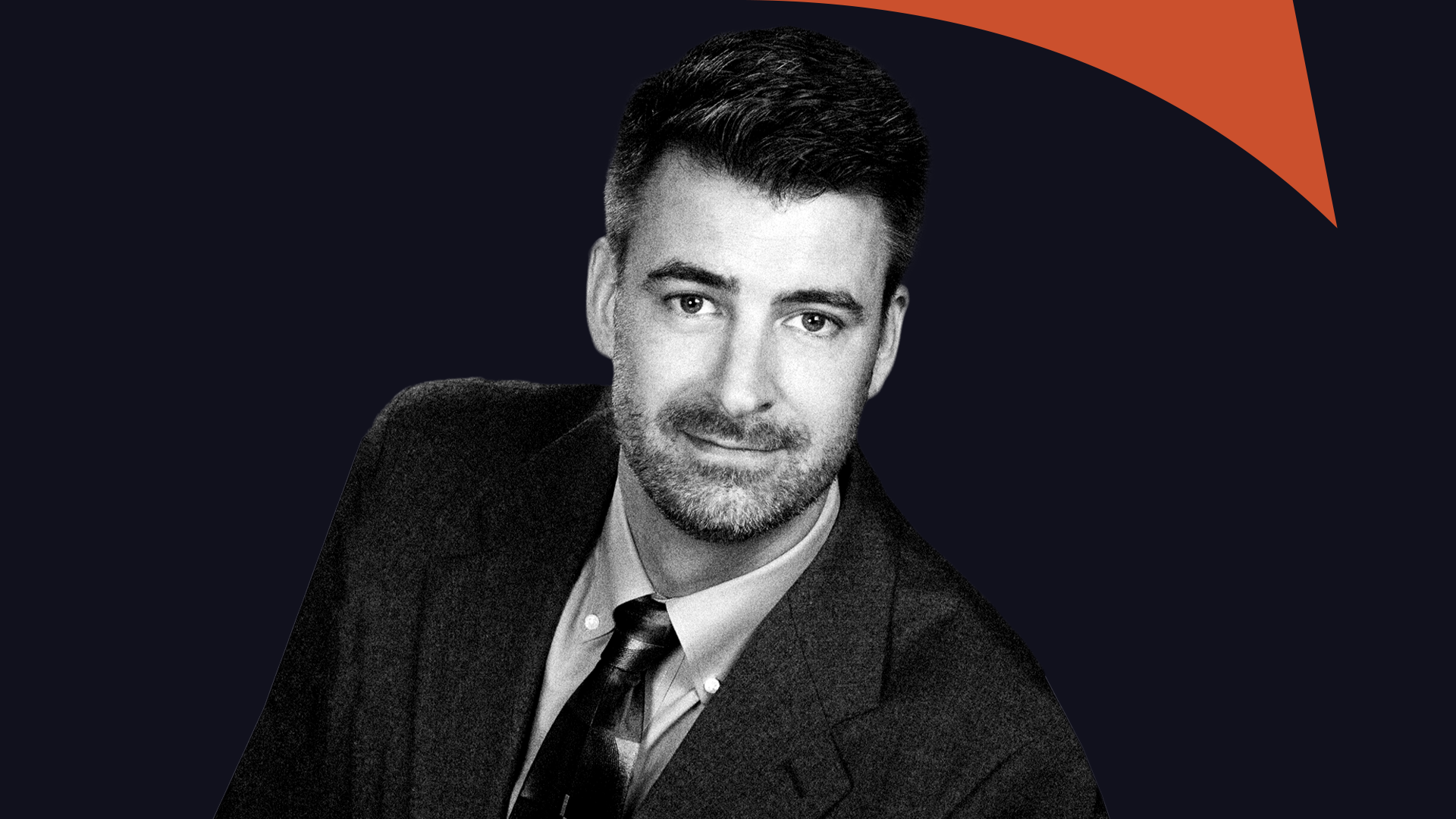
The international press is currently obsessed with the "historic" possibility of Macky Sall ascending to the 38th floor of the UN Secretariat. They see a seasoned African statesman, a former African Union chair, and a man who stepped down from power—mostly—voluntarily. They see a "safe pair of hands" to steer the global ship through the choppy waters of 2026 and beyond.
They are dead wrong.
The breathless reporting on Sall’s candidacy ignores the fundamental physics of the United Nations. The Secretary-General is not a world president; they are a glorified clerk with a massive security detail and zero enforcement power. Promoting Macky Sall as the "fix" for a fractured UN isn't just optimistic; it’s a fundamental misunderstanding of how the P5—the United States, China, Russia, France, and the UK—actually shop for a leader.
The Consensus Trap
The lazy narrative suggests that because it is "Africa's turn" or because Sall has "regional gravitas," he is a frontrunner. This ignores the reality of the $UNSG$ selection process. Historically, the Security Council doesn't want a "General." They want a "Secretary."
If you look at the trajectory from Boutros Boutros-Ghali to Kofi Annan, and eventually to Antonio Guterres, the trend is clear: the P5 prefers a candidate who can manage the bureaucracy without overshadowing the interests of the big powers. Sall, with his history of assertive regional leadership and his "Plan Sénégal Émergent," brings too much ego to a role that requires a professional void.
The West’s Selective Memory
Let’s talk about the "Democracy Darling" myth. The media loves to cite Sall’s decision not to seek a third term as proof of his impeccable democratic credentials. In reality, that decision came after months of deadly protests, a cracked-down opposition, and a delayed election that nearly sent Senegal into a tailspin.
I have watched diplomatic circles erase these "inconveniences" in real-time. But Moscow and Beijing haven't forgotten. They don't care about the democracy angle, but they do care about stability. To them, Sall represents a volatile transition. To the West, he represents a "success story" that is actually a cautionary tale of how close a stable nation can come to the brink. This makes him a polarizing figure before he even sets foot in Turtle Bay.
The False Promise of Regional Representation
"It’s time for an African leader to address African problems at the UN level."
This is the most tired trope in the book. The UN Secretary-General does not have a "home turf" advantage. In fact, being from a region with active, high-stakes conflicts often makes the job harder. Every move Sall would make regarding the Sahel, the Great Lakes, or North Africa would be viewed through the lens of his previous domestic alliances.
If you want to solve African security issues, you don't put a former African president in the top spot; you reform the financing of the African Union’s own peace operations. Putting Sall in the UN chair is a cosmetic fix for a structural hemorrhage.
The Geopolitical Math Doesn't Add Up
The $UNSG$ selection is a game of least-common-denominators.
- The Veto Factor: Russia is currently allergic to anyone who has played too nice with NATO or the EU. Sall’s close ties to Paris are a massive liability here.
- The "Global South" Fallacy: While Sall claims to speak for the Global South, the BRICS+ bloc is increasingly fragmented. India, Brazil, and South Africa have their own visions for UN reform that don't necessarily involve a Senegalese veteran taking the lead.
- The Gender Debt: There is a massive, quiet roar for the first female Secretary-General. Ignoring the deep pool of qualified female candidates from Eastern Europe or Latin America to pick another "Big Man" from the continent would be a PR disaster the UN can't afford.
The Bureaucracy Always Wins
I’ve spent years watching high-level bureaucrats chew up and spit out "visionary" leaders. The UN is a $3 billion-plus administrative maze. Sall is a politician used to the executive power of a presidency where his word was law.
At the UN, the Secretary-General’s word is a suggestion that must be vetted by five different committees and three different superpowers. The frustration of moving from a position of absolute national power to a position of global "influence" often leads to one of two things: total paralysis or public outbursts that alienate the Security Council. Neither helps the world.
Why the "Replacement" Narrative is Flawed
The competitor article treats the $UNSG$ role like a corporate CEO transition. It isn't. It’s more like choosing a Pope, but the cardinals all hate each other and have nuclear weapons.
If we actually wanted a functional UN, we wouldn't be looking for a former head of state. We would be looking for a high-level technocrat who understands the plumbing of international law and the mechanics of the $17$ Sustainable Development Goals without the baggage of a political career.
The Hard Truth About Sall’s Chances
Macky Sall is a distraction. He is the name everyone mentions because he is familiar, not because he is the best fit. His candidacy serves as a useful lightning rod while the real power players negotiate in backrooms for a candidate we haven't even started talking about yet.
Stop asking if Macky Sall can "save" the UN. The UN doesn't want to be saved; it wants to be managed. Sall is too loud for the room, too tied to the Elysee, and too late to the party.
The next Secretary-General won't be a lion from the continent. They will be a quiet, efficient operator from a mid-sized power who knows how to keep the lights on while the world burns.
Stop buying the hype. The "Sall for SG" campaign is a masterclass in political theater, but the curtain is already falling.