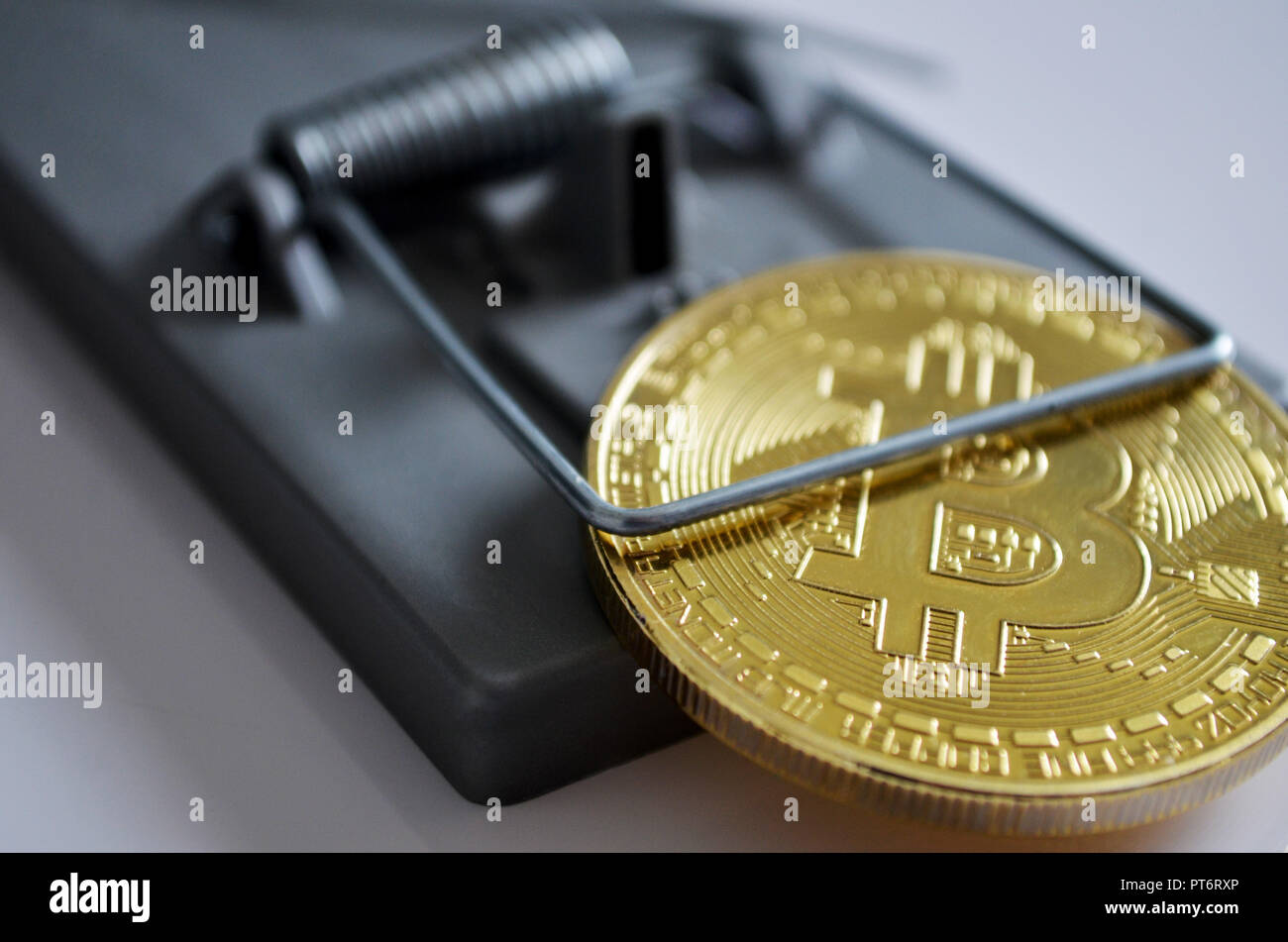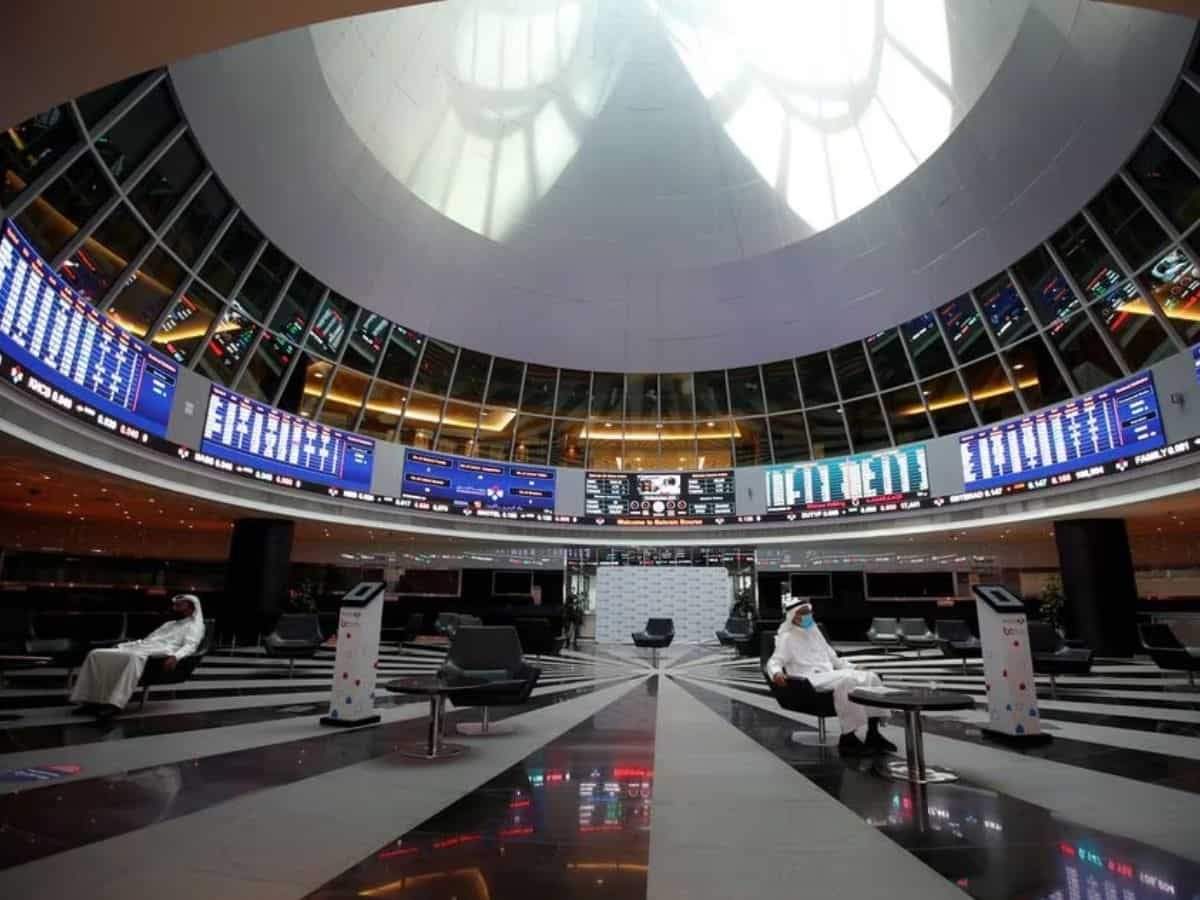
The floor did not drop out of the Dubai Financial Market because of a sudden lack of liquidity or a failure of corporate governance. It dropped because the geographical premium of the Middle East finally caught up with its balance sheets. When markets in the UAE reopened following a two-day closure, the red screens were a delayed reaction to Iranian missile strikes, but the selling pressure revealed a much deeper structural anxiety. This was not a flash crash. It was a cold, hard repricing of risk in a region that has spent a decade trying to convince the world it is a safe haven.
Investors did not just trim their positions; they fled toward cash. The DFM General Index and the Abu Dhabi Securities Exchange (ADX) saw immediate, sharp retreats as the reality of a direct state-on-state conflict replaced the simmering proxy wars of the past. For the veteran observer, the numbers tell only half the story. The true narrative lies in the breakdown of the "decoupling" theory—the idea that the Gulf's massive sovereign wealth and infrastructure projects could remain insulated from the chaos beyond its borders.
The Mirage of Insulation
For years, the marketing pitch for Dubai and Abu Dhabi has been centered on stability. These cities were portrayed as the "Switzerland of the Middle East," places where capital could rest easy while the rest of the region burned. That narrative worked as long as the conflicts were contained. But when Iranian projectiles crossed international borders, the physical proximity of the UAE to the Strait of Hormuz became an impossible factor to ignore.
The sell-off hit real estate and banking hardest. These are the two pillars of the UAE economy, and they are both hyper-sensitive to the perception of security. Emaar Properties and Emirates NBD did not see their fundamental values change overnight, but their risk-adjusted return profiles did. If you are a global fund manager sitting in New York or London, your "Middle East" bucket just became significantly more expensive to hold.
Energy Prices Cannot Save the Tape
Historically, conflict in this region pushed oil prices up, which in turn acted as a floor for local equities. This time, the correlation broke. While Brent crude spiked on the news of the strikes, the UAE indices continued to slide. This divergence is critical. It suggests that the market is now more afraid of regional instability than it is enamored with the windfall of $90-per-barrel oil.
The cost of insuring UAE sovereign debt—Credit Default Swaps (CDS)—began to climb. When the cost of insurance goes up, the attractiveness of the underlying asset goes down. This isn't a retail panic driven by small-time traders. This is institutional de-risking. Wealth managers are looking at the possibility of disrupted shipping lanes and potential retaliatory strikes and deciding that the 4% dividend yield on a local bank isn't worth the geopolitical headache.
The Problem of Liquidity Concentration
One factor the mainstream financial press often misses is the sheer concentration of ownership in Gulf markets. Much of the float is held by state-linked entities and a few massive family offices. When these players go quiet, the bid-ask spread widens. Small sell orders suddenly move the needle by 2% or 3%. What we saw during the two-day reopening was a "gap down" that caught many investors off guard. They couldn't get out of their positions without taking a massive haircut.
Middle East Realignment
The geopolitical landscape of the Gulf was once relatively predictable. It was a tug-of-war between regional powers with clear red lines. But the Iranian strikes represent a breach of the old rules. If the "Cold War" of the Middle East turns hot, the UAE's entire economic model—based on being a global logistics hub—faces an existential threat. Jebel Ali Port and Dubai International Airport are not just icons of progress; they are massive, vulnerable targets in a full-scale regional conflict.
This reality has begun to leak into the equity markets. The sudden sell-off wasn't just about the news of the strikes; it was about the realization that the UAE is no longer a bystander. The "safety premium" that UAE stocks have commanded over the last five years is eroding. Foreign institutional investors are questioning the wisdom of being overweight in a region where the geopolitical tail risk is now a front-and-center reality.
Defensive Positioning
What does it look like to protect capital in this environment? For some, it's a pivot toward sectors like telecommunications and utilities—companies like Etisalat (e&) and DEWA (Dubai Electricity and Water Authority). These entities are seen as "too big to fail" and less susceptible to the cyclical swings of the real estate market. But even these defensive plays aren't immune to the broader regional sentiment.
The volatility index for the DFM is at its highest point in eighteen months. This is a clear signal that the market expects more turbulence, not less. The narrative of "buy the dip" is being replaced by a more cautious "wait and see." And for good reason. The diplomatic efforts to de-escalate the situation are ongoing, but the market has a long memory. It will take more than a few days of quiet to restore the confidence that was lost in the initial wave of selling.
Corporate Resilience Under Pressure
UAE companies have spent the last few years cleaning up their balance sheets. Debt-to-equity ratios are, for the most part, in a healthy range. This is the only thing keeping the current sell-off from turning into a full-blown financial crisis. The banks are well-capitalized, and the real estate developers have learned their lessons from the 2008 and 2014 downturns. They aren't as overleveraged as they once were.
But even a healthy company cannot outrun its zip code. If the regional conflict escalates further, the cost of doing business in the UAE will rise. Insurance premiums for shipping and cargo will increase, and the cost of capital for new infrastructure projects will go up. This is the "soft" impact of geopolitical risk that doesn't always show up in the daily stock price but eats away at long-term profitability.
The Currency Peg Factor
The UAE dirham's peg to the U.S. dollar provides a level of currency stability that most of the region lacks. This is a double-edged sword. While it protects investors from the currency devaluations that have plagued Turkey or Egypt, it also means the UAE's monetary policy is tied to the Federal Reserve. With the Fed keeping rates "higher for longer" to combat inflation, the UAE is facing high borrowing costs at the exact moment it needs more liquidity. This liquidity squeeze is making the market sell-off even more painful for local investors.
Reassessing the GCC Model
The Gulf Cooperation Council (GCC) has long been seen as a unified block of economic strength. But the current crisis is revealing fissures in that unity. Different countries in the region have different levels of exposure to the Iranian conflict. The UAE, given its role as a global trading hub, has more to lose from any disruption to the Strait of Hormuz than, say, Saudi Arabia's western provinces.
This divergence is starting to show up in the stock market performance of the different GCC nations. Qatar and Saudi Arabia have seen their own sell-offs, but they haven't been as severe as the one in Dubai. Investors are becoming more granular in their approach to the Middle East. They are no longer treating the "Gulf" as a single asset class. They are looking at the specific geographic and geopolitical risks of each individual city-state.
The Retail Panic
Local retail investors in the UAE tend to be more emotional than their institutional counterparts. Many of them are heavily invested in the real estate sector and have seen their portfolios take a massive hit in the last week. This has led to a wave of margin calls, which in turn has forced even more selling. This "feedback loop" of selling is what turned a manageable retreat into a sharp downturn.
The regulators in the UAE have been quiet so far. There has been no talk of halting trade or implementing price controls. This is the right move for the long-term health of the market, but it is cold comfort for the investors who have seen their net worth drop by 10% or 15% in a matter of days. The market needs to find its own floor, and that process is never pleasant.
New Reality for Foreign Capital
For a decade, the UAE has been the primary destination for foreign direct investment (FDI) in the Middle East. That status is now being tested. The Iranian strikes have reminded the world that the Middle East remains a volatile and unpredictable place. The "safety premium" that the UAE has enjoyed is not a permanent feature of its economy; it is a hard-won asset that can be lost in a weekend.
Global fund managers are now recalibrating their "emerging market" allocations. They are looking at the UAE not just in comparison to its neighbors, but in comparison to other emerging markets like India or Southeast Asia. If the geopolitical risk in the Gulf remains high, the capital that once flowed into Dubai and Abu Dhabi will start to find its way to more stable regions. This is the true long-term threat of the current crisis.
The selling of UAE stocks isn't just a reaction to a single event. It is a fundamental shift in how the world views the stability of the Gulf. The days of ignoring the geopolitical reality are over. The markets have finally woken up to the fact that no amount of sovereign wealth can completely insulate an economy from the realities of its geography.
Watch the shipping insurance rates and the CDS spreads more closely than the daily index movement. These are the true indicators of whether the "stability" narrative can be rebuilt or if the UAE is entering a new era of permanent geopolitical risk.