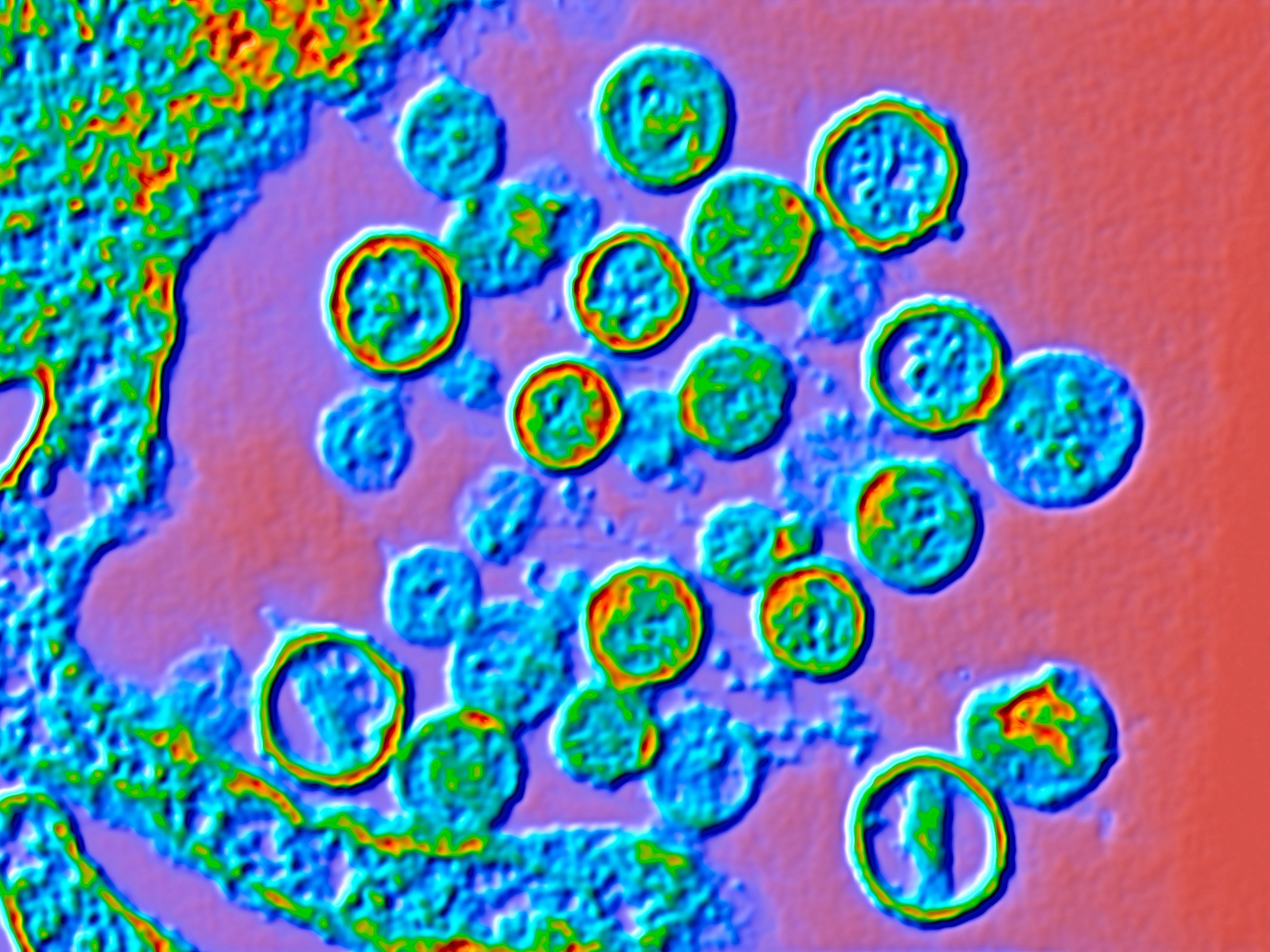
The air at the bottom of the world tastes different. In Tierra del Fuego, the wind doesn't just blow; it scours. It carries the scent of salt, ancient peat, and a coldness that feels like it’s traveling straight from the Antarctic ice shelf to settle in your marrow. For a few frantic days, that wind carried something else: a name that makes even the most seasoned epidemiologists go quiet.
Hantavirus.
It started with whispers in the clinics of Ushuaia. Two patients, their lungs heavy with fluid, their bodies racked by the kind of fever that feels like a slow-motion fire. In the narrow, colorful streets of the world’s southernmost city, the anxiety was tactile. You could see it in the way shopkeepers scrubbed their doorframes and the way hikers paused before entering the dense, moss-draped forests of the Fuegian Andes.
The fear was logical. Hantavirus Pulmonary Syndrome (HPS) isn't like the seasonal flu. It is a biological ambush. One moment you are breathing the crisp Andean air; the next, your capillaries are leaking fluid into your lungs, drowning you from the inside out. With mortality rates often hovering near 40 percent, it is a predator that leaves no room for error.
But the real mystery wasn't just the illness. It was the geography.
The Border of the Impossible
Tierra del Fuego is an island separated from the South American mainland by the churning, treacherous waters of the Strait of Magellan. This physical barrier is more than a scenic vista; it is a biological firebreak.
The primary carrier of the hantavirus in southern Argentina and Chile is the long-tailed pygmy rice rat (Oligoryzomys longicaudatus). It is a tiny creature with large eyes and a tail twice the length of its body. It thrives in the thickets of bamboo and the edges of the Valdivian forests.
Historically, this rat has never been found on the Big Island of Tierra del Fuego. The Strait of Magellan is simply too wide, too cold, and too deep for a rodent to hitchhike across—at least, not without significant help.
When the two patients tested positive, the medical community held its breath. If the virus had truly taken root in Tierra del Fuego, it meant the invisible wall had been breached. It meant the ecosystem had shifted in a way that made the "End of the World" a new front in a dangerous biological war.
The Science of Relief
Health authorities in Argentina moved with a speed born of experience. They didn't just look at the bloodwork; they looked at the map. They retraced every step the patients had taken, every dusty trail they had hiked, and every shed they had opened.
The investigation led away from the wind-swept plains of the south and back toward the mainland.
The Ministry of Health soon clarified the reality: these were not "indigenous" cases. The patients hadn't contracted the virus from a Fuegian rodent. Instead, they had traveled from the northern provinces—areas where the long-tailed pygmy rice rat is a known resident—carrying the infection within them as they journeyed to the island.
This distinction is the difference between a localized tragedy and a regional catastrophe.
To understand why, we have to look at how the virus moves. It doesn't need a bite. It needs a breath. When a mouse nests in a dark corner of a cabin or a woodpile, it leaves behind droppings and urine. As these dry, the virus becomes airborne in microscopic dust particles. A hiker sweeping out a summer cottage or a laborer moving old timber can inhale the virus without ever seeing a single rodent.
In Tierra del Fuego, the local rodent population—mostly various species of field mice and the introduced muskrat—does not carry the specific strain of hantavirus that kills humans. By confirming the cases were imported, the authorities effectively hit the reset button on the island's panic. The fire was real, but it had been started elsewhere.
The Human Cost of a False Positive
Imagine being one of those patients. You are in a hospital bed in Ushuaia, the peaks of the Martial Mountains visible through the glass, and you are being told you have a disease that shouldn't exist where you live.
There is a unique kind of isolation that comes with being a "case study." You aren't just a person fighting for air; you are a data point that could potentially shut down an entire province's tourism industry. You are the reason people are cancelling their cruises to Antarctica and their treks through the National Park.
The relief felt by the Ministry of Health wasn't just about the absence of a local outbreak. It was about the integrity of the ecosystem. If the long-tailed rat had arrived in Tierra del Fuego, it would mean that human activity—shipping, transport, or climate shifts—had fundamentally broken the natural defenses of the island.
We often think of disease as something that happens to us. We rarely think of it as something that belongs to a landscape.
A Precarious Safety
The verdict from the Argentine authorities was clear: Tierra del Fuego remains a "non-endemic" zone. The virus hasn't moved. The island’s status as a sanctuary from this particular threat remains intact.
But the incident serves as a sharp, cold reminder of how thin the veil is. In a world where we can fly from a hantavirus hotspot to the southernmost city on Earth in a matter of hours, no border is truly impermeable. We carry our environments with us. We are the vessels through which the microscopic world explores new territory.
As the sun sets over the Beagle Channel, the mountains turn a bruised shade of purple. The wind continues to howl, shaking the windows of the clinics and the houses built into the hillsides. For now, that wind is clean. It carries the scent of the sea and the old growth forest, but it doesn't carry the dust of a hidden predator.
The mystery of the Fuegian cases ended with a return to the status quo, which in the world of public health, is the greatest possible victory. It wasn't a "game-changer." It was a confirmation that, for one more season, the natural barriers held.
Yet, the locals still look a little more closely at the shadows in their woodpiles. They know that while the virus isn't here today, the world is getting smaller. The Strait of Magellan is wide, but it is not infinite.
The threat didn't arrive this time. But the wind is still blowing.