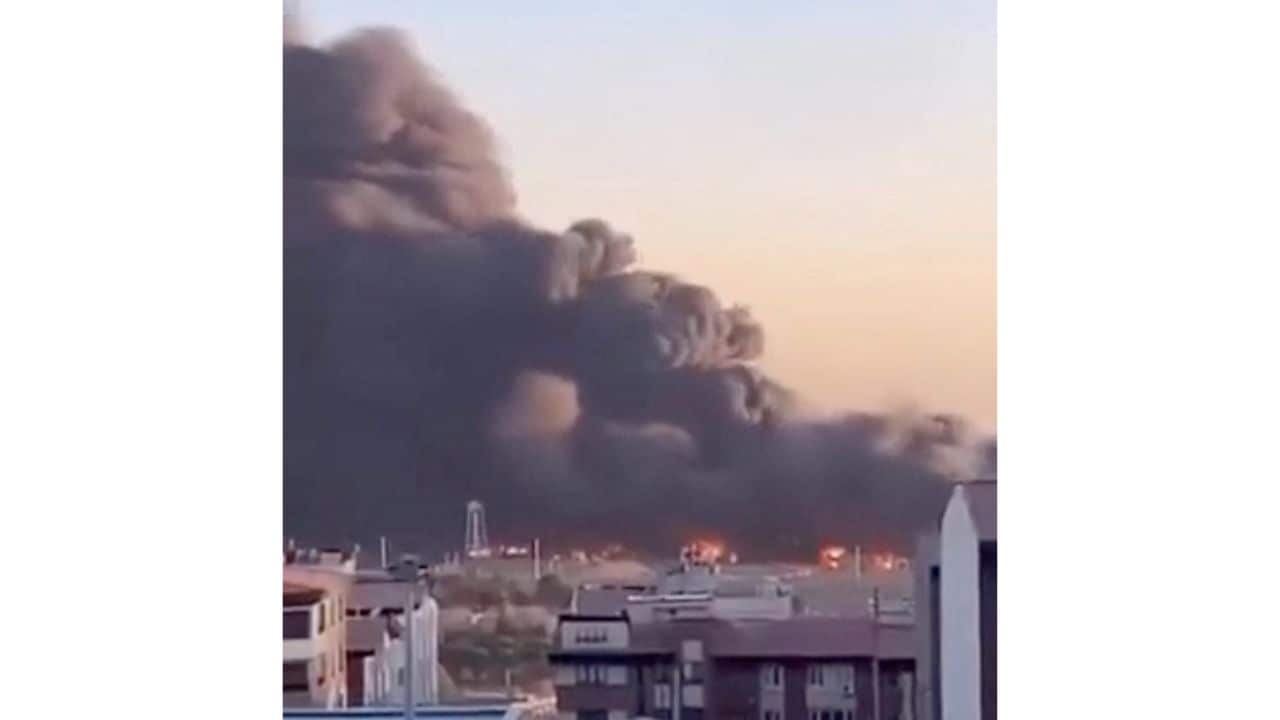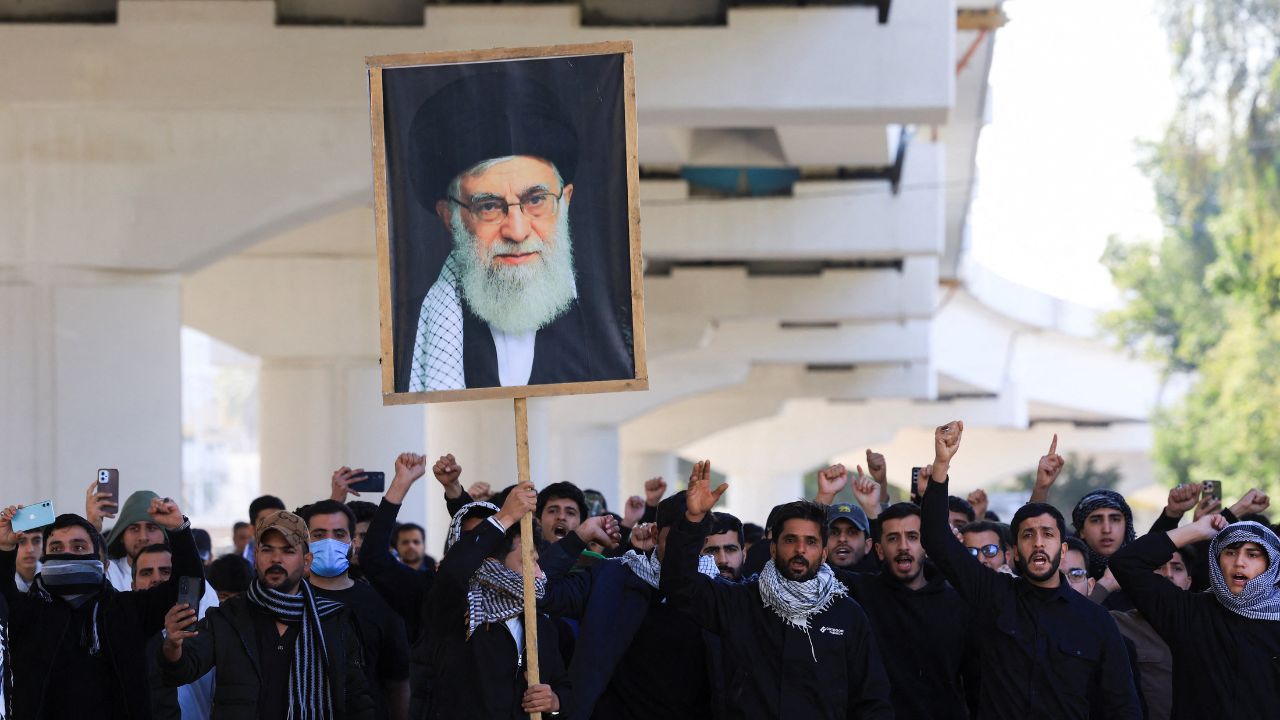
The stability of global energy markets currently rests on a fragile equilibrium between Israeli kinetic operations in the Levant and Iranian maritime interdiction capabilities in the Strait of Hormuz. While traditional analysis views these as separate regional conflicts, they are functionally two halves of a singular strategic equation: the exchange of "precision strike superiority" for "geographic chokepoint leverage." When Israel conducts strikes against Iranian proxies or infrastructure, it exerts a tactical dominance based on intelligence and air superiority. Iran’s counter-move is rarely a symmetrical air engagement; instead, it utilizes its proximity to the world’s most critical oil artery to impose a "security tax" on the global economy. Understanding this cycle requires deconstructing the physical, economic, and military variables that define the Strait of Hormuz and the Levant’s strike theater.
The Physics of the Chokepoint: Why Hormuz Resists Mitigation
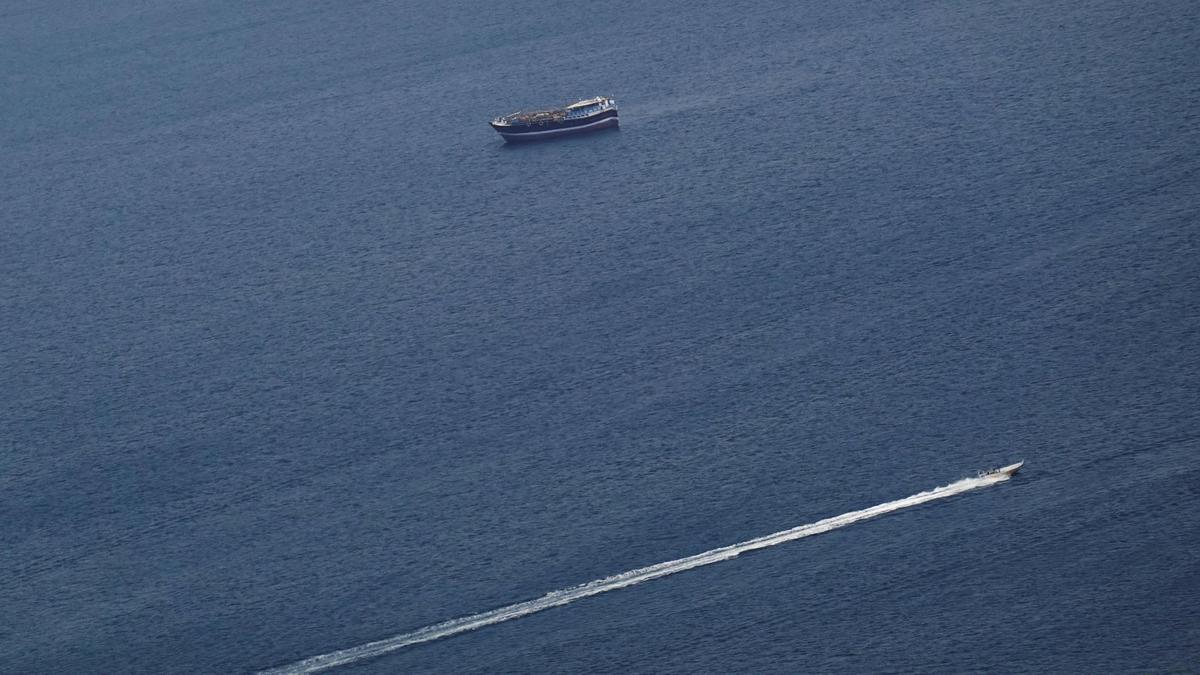
The Strait of Hormuz is not merely a shipping lane; it is a geographic bottleneck that defies rapid infrastructure bypass. At its narrowest point, the shipping lanes consist of two 2-mile-wide channels (one inbound, one outbound) separated by a 2-mile buffer zone. This concentration of traffic creates a high-density target environment for low-cost asymmetric weapons.
The inability to "reroute" around Hormuz is grounded in the sheer volume of throughput. Approximately 20-21 million barrels of oil pass through the Strait daily, representing roughly 20% of global liquid petroleum consumption. To appreciate the scale of this bottleneck, one must analyze the three primary failure points of existing alternatives:
- Pipeline Capacity Deficits: While Saudi Arabia and the UAE operate pipelines to the Red Sea and the Gulf of Oman, their combined spare capacity rarely exceeds 5 million barrels per day. This leaves a 15-million-barrel-per-day deficit that has no terrestrial path to market.
- The Cape of Good Hope Premium: Re-routing tankers around the southern tip of Africa adds approximately 10 to 15 days of transit time. The economic friction here is not just fuel cost, but the "floating storage" effect, where millions of barrels are trapped in transit, effectively shrinking the global immediate supply and spiking "spot" prices.
- Insurance Risk Architecture: The moment the Strait is declared a "high-risk area" by the Joint War Committee (JWC), Protection and Indemnity (P&I) insurance premiums rise exponentially. In a sustained conflict scenario, the cost of insuring a VLCC (Very Large Crude Carrier) can exceed the value of the cargo itself, leading to a de facto blockade even without a physical sinking.
Kinetic Precision vs. Mass Asymmetry: The Israeli Strike Logic
Israel’s recent strikes represent a shift from "containment" to "structural degradation." By targeting specialized manufacturing sites for Unmanned Aerial Vehicles (UAVs) and Precision Guided Munitions (PGMs), the Israeli Defense Forces (IDF) aim to break the Iranian "Ring of Fire" strategy. This strategy relies on two specific functions:
The Saturation Cost Function
Israel’s defense architecture, including the Iron Dome and David’s Sling, operates on an unfavorable cost-exchange ratio. An interceptor missile costs significantly more than the primitive rocket or "suicide drone" it destroys. Israel’s offensive strikes are designed to reset this ratio by destroying the "means of production" rather than the "means of delivery." By hitting the factories and logistics hubs, the IDF reduces the volume of incoming threats to a level where the cost of defense is sustainable.
The Intelligence-Strike Loop
The efficacy of these strikes depends on a high-fidelity intelligence loop. Unlike traditional warfare, which targets broad troop movements, these operations focus on "high-value nodes"—individual scientists, specific laboratory equipment, or underground storage facilities. The goal is "functional decapitation": leaving the proxy forces with weapons, but without the technical support or command structure to use them effectively.
The Iranian Response Matrix: From Proxy War to Maritime Squeeze
Iran views the Strait of Hormuz as its "ultimate veto." When Israeli pressure increases in the Levant, Iran modulates the "friction level" in the Persian Gulf. This is not a binary switch (Open/Closed) but a spectrum of interdiction:
- Electronic Interference: Jamming GPS signals to cause commercial tankers to drift into Iranian territorial waters, providing a legal pretext for seizure.
- The "Swarm" Doctrine: Utilizing hundreds of Fast Attack Craft (FAC) armed with short-range missiles and naval mines. This forces a conventional navy (like the US Fifth Fleet) to engage in a target-rich, high-chaos environment where "leaks" are inevitable.
- Shadow Attacks: The use of limpet mines or "suicide" drone boats that allow for plausible deniability. This creates a "gray zone" conflict where the victim cannot easily justify a full-scale retaliatory war.
The "Squeeze" serves a dual purpose. First, it signals to the West that Israeli actions have global economic consequences, hoping that international pressure will force a de-escalation. Second, it tests the "escort capacity" of Western navies. There are not enough destroyers in the world to provide a point-defense escort for every commercial vessel transiting the Strait.
Quantifying the Global Economic Shockwave
If the tension in the Levant triggers a full-scale disruption in the Strait, the economic fallout follows a predictable, non-linear progression.
Phase 1: The Liquidity Panic
The initial reaction is not driven by a physical shortage of oil, but by the "fear of future scarcity." Financial markets price in a "war premium." If the Strait is closed, oil prices could realistically surge by $30 to $50 per barrel within 72 hours. This acts as an immediate regressive tax on global consumers, slowing GDP growth in energy-importing nations like China, India, and most of Europe.
Phase 2: Supply Chain Desynchronization
Modern manufacturing relies on "Just-in-Time" (JIT) delivery. A disruption in the Persian Gulf doesn't just stop oil; it stops the flow of petrochemical precursors used in plastics, fertilizers, and pharmaceuticals. The "bullwhip effect" ensures that a one-week delay at Hormuz manifests as a three-month disruption in global manufacturing centers.
Phase 3: The Energy Transition Paradox
High oil prices theoretically accelerate the shift to renewables. However, the manufacturing of solar panels, wind turbines, and EV batteries is energy-intensive. If the cost of the base energy (natural gas and oil) spikes, the capital expenditure required for the "green transition" also rises, potentially stalling decarbonization efforts due to capital flight.
Strategic Bottlenecks: The Technology of Interdiction
The modernization of Iran’s naval militia (the IRGCN) has shifted from "junk boats" to sophisticated asymmetric platforms. The deployment of the "Abu Mahdi" long-range cruise missile and the integration of AI-assisted drone swarms mean that Iran can now project power far beyond the physical entrance of the Strait, into the Gulf of Oman and the Arabian Sea.
This "extended chokepoint" strategy complicates the US and allied "Operation Prosperity Guardian" model. It is no longer enough to patrol the 21-mile-wide Strait; the "threat envelope" now covers thousands of square miles. The defensive requirement has shifted from "patrolling a gate" to "protecting an entire corridor."
The Strategic Path Forward: Decoupling and Deterrence
For Israel and its allies, the objective is to neutralize the "Hormuz Veto." This requires a multi-layered approach that moves beyond simple air strikes:
- Infrastructure Hardening: Accelerating the completion of the "Neom" and "East-West" pipeline expansions in Saudi Arabia to provide a viable 10-million-barrel bypass.
- Autonomous Maritime Defense: Deploying unmanned surface vessels (USVs) equipped with sonar and electronic warfare suites to create a "digital fence" around shipping lanes. This reduces the risk to human sailors and provides a 24/7 persistence that manned fleets cannot match.
- Proportional Asymmetry: Establishing a clear "Red Line" policy where maritime interdiction is met with the destruction of the specific port infrastructure or naval assets used in the attack. The goal is to make the "cost of the squeeze" higher for Iran than the "benefit of the leverage."
The current escalatory cycle is a test of structural endurance. Israel is betting that it can dismantle Iran’s regional architecture faster than Iran can collapse the global energy market. The variable that remains unquantified is the "breaking point" of the global consumer. If the energy tax imposed by the Hormuz Squeeze triggers a global recession, the political pressure on Israel to cease its Levant operations will become insurmountable, regardless of the tactical successes achieved on the ground.
The strategic play is now a race against time: Israel must complete its "structural degradation" of proxy threats before the maritime "security tax" reaches a level that breaks the Western political consensus. Operators should expect continued volatility in Brent Crude and a further tightening of maritime insurance markets as the "gray zone" in the Gulf of Oman expands.