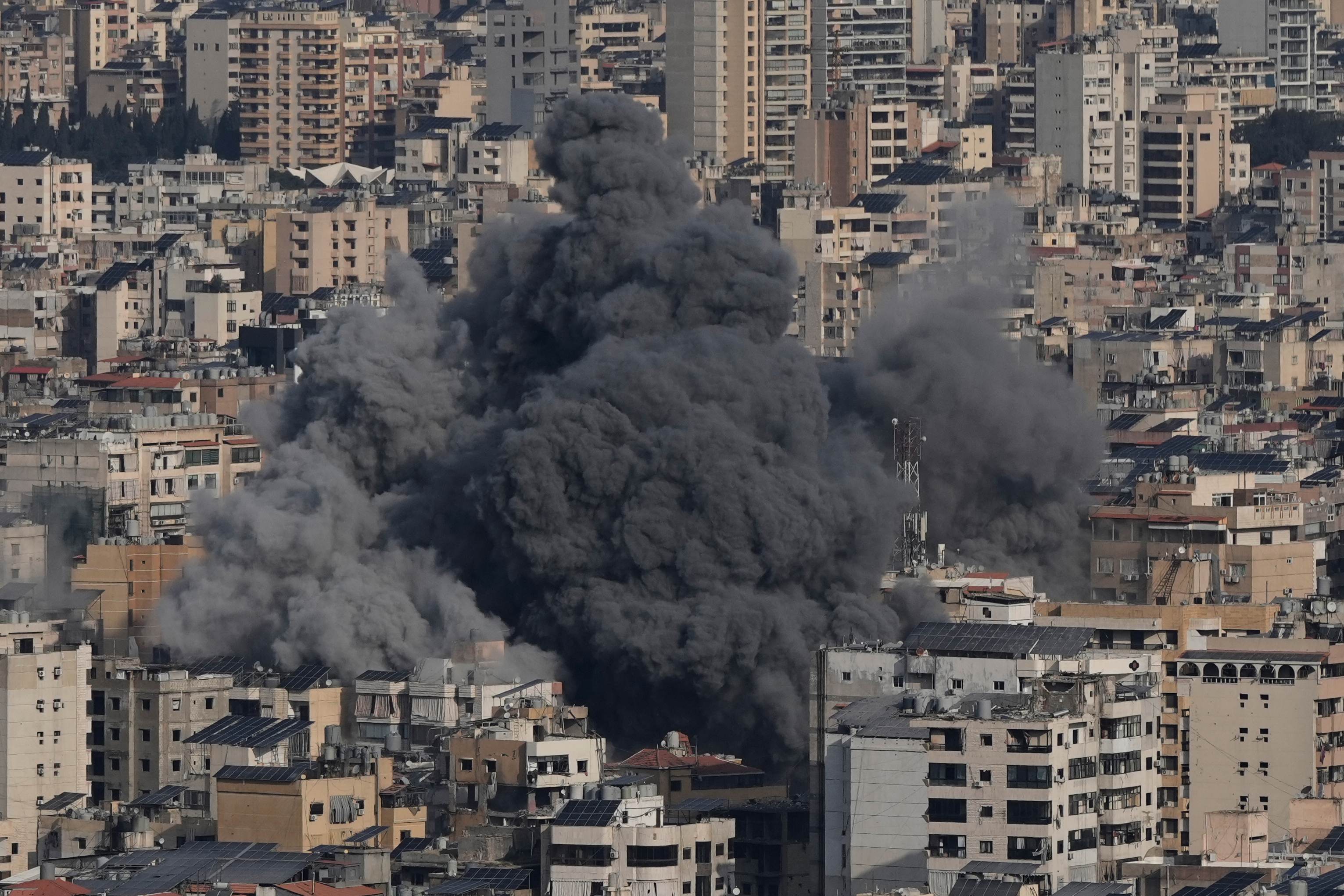
The European push for a resumption of US-Iran negotiations is not a humanitarian gesture but a calculated response to a deteriorating security equilibrium that threatens the structural stability of the Eurozone. European leaders are currently operating under a Tripartite Risk Model consisting of nuclear proliferation, regional escalatory cycles, and the erosion of the global non-proliferation architecture. The failure to secure a successor to the Joint Comprehensive Plan of Action (JCPOA) has transitioned from a diplomatic setback to a systemic vulnerability for European energy security and internal political cohesion.
The Mechanics of Strategic Divergence
The primary friction point in trans-Atlantic policy toward Iran lies in the differing definitions of "containment." While the United States views Iran through the lens of global hegemony and the preservation of the petrodollar, European powers—specifically the E3 (France, Germany, and the UK)—view Iran as a direct neighborhood security threat. This divergence creates a Decoupling Paradox: the more the U.S. relies on "Maximum Pressure" via extraterritorial sanctions, the more it inadvertently undermines European economic sovereignty by forcing EU firms to choose between the Iranian market and the U.S. financial system.
The current European strategy relies on three functional pillars:
- Nuclear Reversibility: Maintaining the technical possibility of returning to the 2015 limits before Iran achieves "breakout capacity"—the point where it possesses enough highly enriched uranium (HEU) for a nuclear device.
- Regional De-escalation: Decoupling the nuclear issue from Iran's ballistic missile program and its network of non-state actors to create incremental "confidence-building measures."
- Economic Re-engagement: Utilizing specialized financial vehicles to bypass U.S. sanctions, though these have historically lacked the liquidity to provide Iran with meaningful relief.
The Cost Function of Inaction
The absence of a formal diplomatic framework imposes a measurable "risk premium" on global markets. When negotiations stall, the probability of kinetic conflict in the Persian Gulf increases, directly impacting the Brent Crude volatility index. For European nations, the cost of inaction is not merely a higher price at the pump; it is the physical disruption of supply chains that are already strained by the conflict in Ukraine.
The mathematical reality of Iran's nuclear advancement further complicates the timeline. As Iran increases its stockpile of uranium enriched to 60%, the "breakout time" shrinks toward zero. This creates a diminishing marginal utility of sanctions. At a certain threshold, sanctions no longer serve as a bargaining chip because the target has already achieved the technical milestones the sanctions were designed to prevent.
The Structural Bottleneck: Extraterritoriality and SWIFT
A significant barrier to European-led diplomacy is the hegemony of the U.S. dollar in international trade. The U.S. Treasury's Office of Foreign Assets Control (OFAC) exerts "secondary sanctions" that effectively ban any entity doing business with Iran from accessing the U.S. financial system.
The European attempt to bypass this via INSTEX (Instrument in Support of Trade Exchanges) failed because it could not solve the "mirror-image trade" problem. To work, INSTEX required an equal volume of goods flowing from Iran to Europe as from Europe to Iran. Since Europe stopped buying Iranian oil to avoid U.S. wrath, the ledger could never balance. This structural bottleneck ensures that any European diplomatic initiative remains performative unless it includes a mechanism for real capital transfer that the U.S. is willing to tolerate.
Categorizing the Iranian Response: The "Levers of Resistance"
Iran’s strategy is a mirror to European desperation. Tehran utilizes a Strategy of Calculated Friction to improve its bargaining position. Each time the U.S. or Europe increases pressure, Iran responds with a calibrated escalation in one of three areas:
- Technical Escalation: Increasing enrichment percentages or installing more advanced centrifuges (IR-6 models).
- Geopolitical Leverage: Expanding defense cooperation with Russia, specifically in the realm of Unmanned Aerial Vehicles (UAVs) and ballistic technology.
- Maritime Interference: Threatening transit through the Strait of Hormuz, through which approximately 20% of the world's total oil consumption passes.
The logic here is purely transactional. Iran is signaling that the status quo—where they receive no economic benefit but remain under IAEA oversight—is unsustainable.
The Intelligence-Diplomacy Gap
The push for negotiations is often hindered by the gap between tactical intelligence and strategic intent. European intelligence agencies prioritize the monitoring of dual-use technology procurement. They track the flow of carbon fiber, high-strength aluminum, and specialized electronics. However, the diplomatic arm often fails to convert this intelligence into a policy framework that addresses Iran's "Security Dilemma"—the idea that Iran's pursuit of a deterrent is a rational response to being surrounded by U.S. military bases and nuclear-armed neighbors.
The "snapback" mechanism—a provision in the original JCPOA that allows any participant to unilaterally reimpose UN sanctions—is the final deterrent in the European toolkit. However, triggering snapback is a "nuclear option" for diplomacy. It would likely lead to Iran withdrawing from the Non-Proliferation Treaty (NPT), mirroring the North Korean trajectory and effectively ending any hope of a negotiated settlement for a generation.
The Strategic Play: Modular Diplomacy
The path forward requires a shift from a "Grand Bargain" mentality to Modular Diplomacy. Instead of attempting to solve the nuclear, regional, and human rights issues in a single document, negotiators should pursue a series of "mini-deals" that provide immediate, tangible relief in exchange for verifiable technical freezes.
The first module must focus on IAEA Transparency. Restoring the continuity of knowledge regarding Iran’s centrifuge manufacturing is the only way to prevent a "gray zone" where Iran could divert materials to secret sites. In exchange, Europe should provide "Sectoral Exemptions"—pre-approved licenses for the export of medicines, agricultural products, and civil aviation parts that are theoretically exempt from sanctions but practically blocked by banking fears.
The second module should address the Security-Energy Nexus. European investment in Iranian renewable energy or natural gas infrastructure (for domestic use) could reduce Iran's internal economic pressure while creating long-term dependencies that favor European diplomatic interests over Russian or Chinese alternatives.
The final strategic move is the institutionalization of a Regional Security Forum that includes the GCC states and Iran. By moving the discussion from a bilateral US-Iran or E3-Iran format to a multilateral regional framework, the "zero-sum" nature of the conflict is diluted. This provides a face-saving mechanism for all parties to make concessions that would be politically impossible in a high-stakes bilateral setting. Success in this theater is defined not by a signed treaty, but by the establishment of a "hotline" and a predictable set of rules for regional engagement.