The persistent state of low-intensity conflict between Iran and regional actors functions as a systemic tax on United States foreign policy, depleting finite diplomatic resources and creating a "security overhang" that prevents the normalization of economic and social life for Americans in the Middle East. While conventional analysis focuses on the risk of kinetic escalation, the more profound structural damage occurs through the degradation of diplomatic bandwidth and the physical restriction of civilian mobility. This environment transforms the presence of US citizens and personnel from a strategic asset into a liability that must be continuously managed at a high operational cost.
The Triple Constraint of Diplomatic Maintenance
The current crisis environment imposes a triple constraint on US statecraft, forcing a shift from proactive regional integration to reactive risk mitigation. This shift is defined by three primary vectors of friction: For another look, see: this related article.
- Operational Sclerosis: Diplomatic missions must reallocate personnel from economic development, cultural exchange, and trade facilitation toward emergency preparedness and threat monitoring. When a mission enters "authorized departure" or "ordered departure" status, the institutional memory and relationship-building required for long-term policy goals are severed.
- The Information Asymmetry Gap: Constant threats create a feedback loop where intelligence gathering is prioritized over diplomatic engagement. This narrows the scope of information reaching Washington, focusing almost exclusively on security metrics while ignoring the underlying socioeconomic shifts that drive regional stability.
- The Liability Buffer: The US government’s "Duty of Care" obligations require significant logistical footprints to protect or evacuate citizens. In high-friction zones, the cost of securing a single diplomatic official can exceed the value of the diplomatic output they generate, leading to a net loss in strategic influence.
The Security Overhang and the Limbo Effect
For Americans living in the region—ranging from defense contractors and energy sector employees to educators and journalists—the "limbo" described in popular media is actually a quantifiable economic and psychological state known as a security overhang. This occurs when the perceived risk of a "Black Swan" event (a sudden regional war) is high enough to stall long-term investment but not high enough to trigger a full exit.
This state manifests in several structural bottlenecks: Similar coverage on this trend has been published by USA Today.
- Contractual Fragility: Employment agreements for US citizens in the Middle East increasingly include "Force Majeure" clauses that can be triggered by political instability. This creates a precarious workforce that lacks the stability to build local networks, which are the primary drivers of soft power.
- Insurance Premium Escalation: The cost of Kidnap and Ransom (K&R) insurance and general liability coverage for Western firms increases in direct proportion to Iranian proxy activity. These costs act as a barrier to entry for smaller, more agile US firms, leaving only large, state-aligned entities to operate in the region, which narrows the breadth of US influence.
- The Evacuation Paradox: The logistical requirement to maintain evacuation readiness (such as keeping charter flight options on standby) creates a permanent sense of transience. This prevents the "normalization" of the US presence, signaling to regional partners that the US is a temporary tenant rather than a long-term stakeholder.
Force Posture as a Diplomatic Cost Center
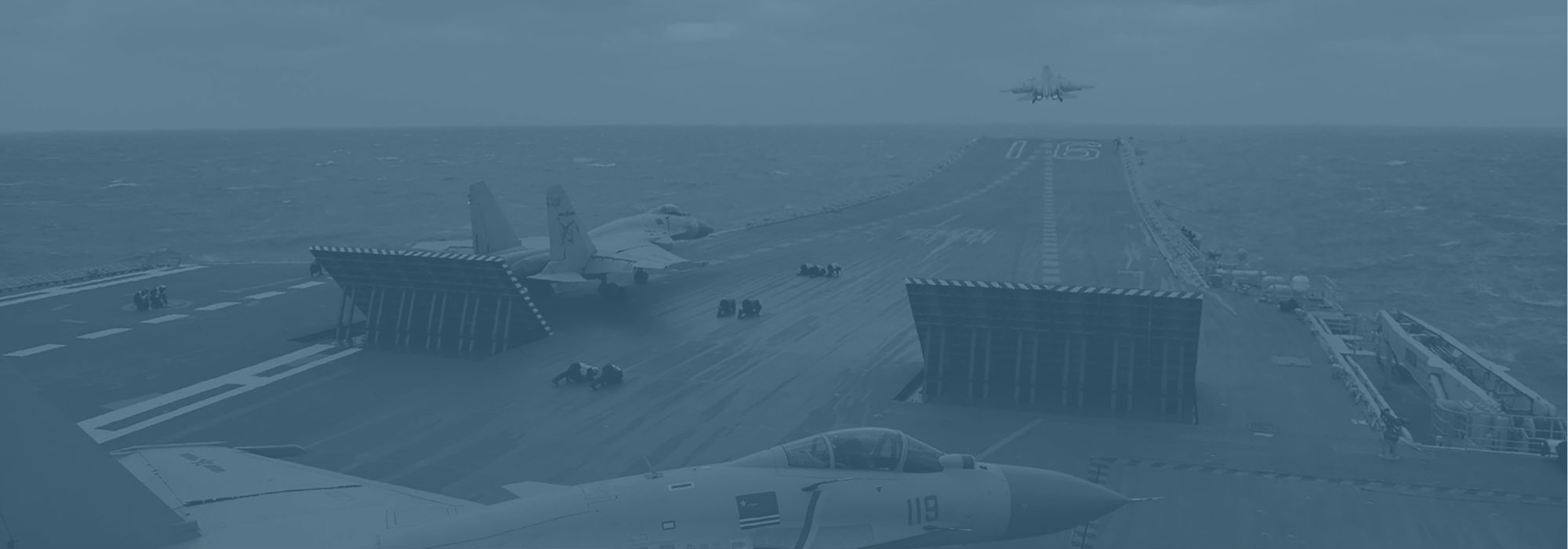
The deployment of Carrier Strike Groups (CSGs) and additional THAAD (Terminal High Altitude Area Defense) batteries to counter Iranian threats represents a massive diversion of military capital from other theaters, specifically the Indo-Pacific. This is the "opportunity cost" of the Iran conflict.
From a strategy consultant's perspective, this is a failure of resource allocation. The US is forced to use its most expensive assets (aircraft carriers and elite infantry) to perform the equivalent of a police function. This creates a "cheap to attack, expensive to defend" dynamic. An Iranian-backed militia can launch a $20,000 one-way attack drone, forcing the US to respond with a $2 million interceptor missile and the repositioning of a multi-billion dollar fleet.
This asymmetry extends to the diplomatic realm. US diplomats must spend their limited "political capital" with regional allies—such as Jordan, Saudi Arabia, and the UAE—asking for overflight rights, basing access, and intelligence sharing specifically for the Iran threat. This leaves less capital available to negotiate on trade, climate tech, or human rights.
The Decay of Human Capital Networks
The most significant long-term damage is the erosion of the human capital network. Diplomacy is a longitudinal game. It relies on the presence of American students, researchers, and entrepreneurs who act as unofficial ambassadors.
The current threat environment creates a "filtering effect":
- Risk-Averse Flight: The most talented and mobile individuals—those with the highest "market value"—are the first to leave a region when instability peaks.
- Insular Operations: Remaining Americans often retreat into "Green Zones" or fortified compounds. This physical separation prevents the casual, high-trust interactions required for effective diplomacy.
- Educational Stagnation: Exchange programs and university partnerships are the first to be suspended. A two-year gap in an exchange program results in a decade-long gap in the pipeline of local leaders who understand and are sympathetic to US interests.
The Mechanics of De-escalation Under Pressure
To break this cycle, US strategy must move beyond "deterrence" and toward "resilience engineering." Deterrence is binary; it either works or it fails. Resilience engineering assumes that friction will occur and builds systems that can function despite it.
This requires a shift in how the US manages its regional footprint:
- Distributed Diplomacy: Moving away from centralized, "fortress-like" embassies in favor of smaller, more mobile diplomatic teams that can operate from diverse locations, reducing the footprint and the "target profile" of US personnel.
- Digital Sovereignty Initiatives: Investing in secure, decentralized communication networks for Americans in the region to ensure that the "Information Asymmetry Gap" does not widen during periods of kinetic activity.
- The Professionalization of Civil Defense: Integrating American civilian populations into regional stability planning, rather than treating them as a passive group that must be "rescued." This involves better coordination between the State Department and private sector security directors to synchronize threat assessments.
The objective is to decouple the daily operations of Americans in the Middle East from the immediate fluctuations of the Iran-US security dilemma. Until the cost of protecting the US presence is lower than the value that presence generates, the US will remain in a position of strategic deficit.
The strategic play is to transition from a "Protectionist Model"—where the primary goal is the physical safety of assets—to an "Integrationist Model." This involves deepening the economic interdependencies between US entities and local regional structures so that an attack on the US presence is viewed as an attack on the host nation’s own economic stability. By making the American presence essential to the local GDP, the burden of security shifts from the US taxpayer to the regional stakeholders who benefit from the partnership.