The room in Geneva was cold, and the rhetoric was colder. After hours of high-stakes dialogue between U.S. and Ukrainian officials, the world's looking for a breakthrough that simply isn't there. Russia's latest stance—that there are no deadlines to end the war—is a gut punch to anyone hoping for a quick diplomatic exit. It’s a classic power play. By refusing to set a clock, Moscow is signaling it's ready for a grueling marathon while the West is already checking its watch.
You have to look at the reality on the ground to understand why these talks felt like a circle. Ukrainian officials traveled to Switzerland with a specific list of needs. They want security guarantees. They want a path to sovereignty that doesn't involve ceding half their country. But when the other side of the conflict says the "special military operation" has no expiration date, the diplomatic math stops adding up.
The Gap Between Geneva and the Front Lines
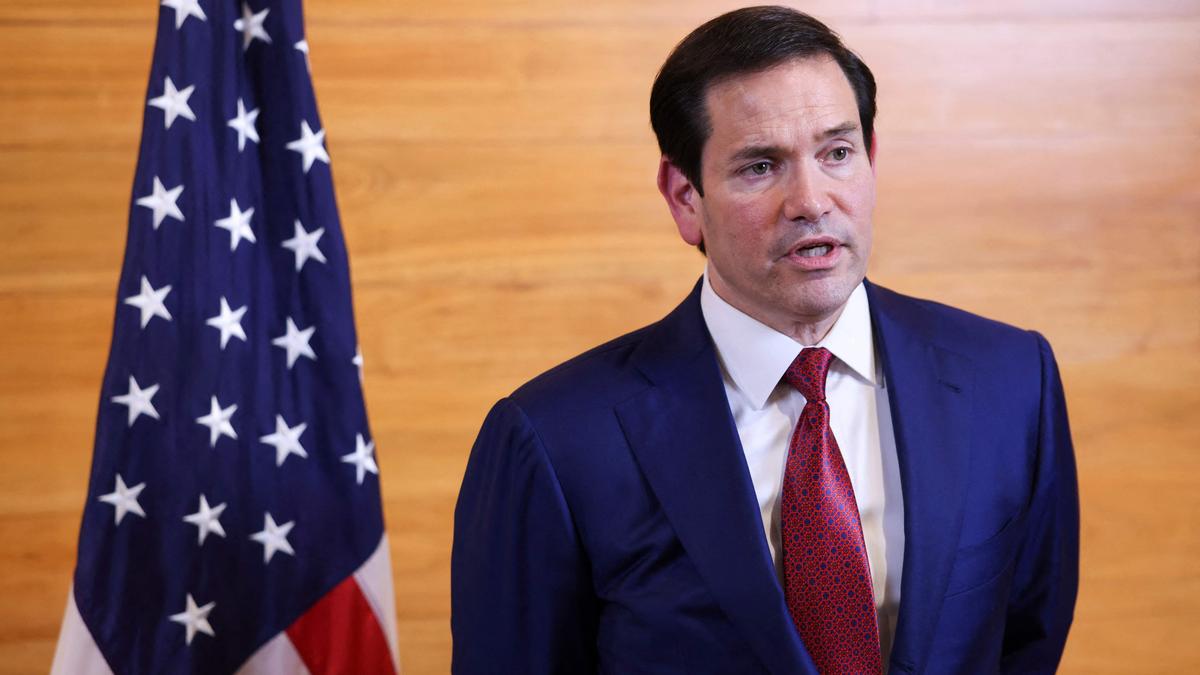
The U.S. delegation, led by senior State Department officials, tried to project a united front. They’re emphasizing that no decisions about Ukraine will be made without Ukraine. That’s a great line for a press release. In practice, it’s a lot messier. The U.S. is balancing its own domestic political pressures with the need to keep NATO from fracturing. Meanwhile, Russia is playing a different game. They aren't looking for a "win-win" scenario. They’re looking to outlast the collective patience of the West.
Russia’s "no deadlines" comment wasn't an offhand remark. It was a calculated message to the world. It tells us they've shifted their economy to a permanent war footing. They've weathered the initial shock of sanctions and found ways to bypass trade blocks. If they don't have a deadline, they don't have to compromise. They can just wait for the next election cycle in Washington or London to shift the political winds in their favor.
Why Security Guarantees Are Stuck in Limbo
Ukraine’s biggest ask remains a concrete security framework. They don't want vague promises or "thoughts and prayers." They want something that looks and acts like Article 5 of the NATO treaty, even if they aren't technically in the alliance yet. During the Geneva talks, this was the elephant in the room. The U.S. is hesitant to sign anything that might legally obligate American boots on the ground in the future.
This creates a massive friction point. If the U.S. won't provide the "hard" guarantees Ukraine needs, and Russia won't stop until they’ve achieved their shifting objectives, what's left to talk about? Honestly, these meetings often feel more like "maintenance" than "progress." They keep the lines of communication open, which prevents a total blackout, but they aren't stopping the missiles from flying.
The Economic Endurance Test
Russia is betting that the global economy will break before they do. By stating there's no end date, they're telling energy markets and grain buyers to get used to the volatility. This is a war of attrition, not just of soldiers, but of supply chains. Ukraine is fighting for its life, but it's also fighting to keep its economy from flatlining entirely while its ports are threatened and its power grid is a constant target.
The U.S. and its allies have poured billions into aid. But that flow of money isn't infinite. There's a growing fatigue in certain political circles. Russia knows this. They’re counting on it. Every month the war drags on without a deadline is another month for Western taxpayers to question the bill. That's the real strategy behind the "no deadlines" rhetoric. It’s a psychological war aimed at the supporters of Ukraine as much as the soldiers in the trenches.
Military Reality vs Diplomatic Fantasy
We need to stop pretending that a clever bit of phrasing in a Swiss hotel will end this. Diplomacy only works when both sides believe they've reached a point where fighting is more expensive than talking. Right now, Russia doesn't believe that. They still see a path to territorial gains, or at the very least, a path to making Ukraine an unviable, broken state.
Ukraine’s military successes have been remarkable, but they're facing a massive manpower disadvantage. The U.S. is providing the tech, but Ukraine has to provide the lives. In Geneva, the talk was about "frameworks." On the ground, the talk is about 155mm shells and drone battery life. The disconnect is jarring. If you’re a commander in the Donbas, a "no deadline" statement from the Kremlin sounds like a life sentence.
What This Means for Global Stability
This isn't just a regional scrap. The lack of a timeline means the global "red lines" are being redrawn in real-time. We're seeing a move toward a bipolar world again. On one side, you have the Western-backed democratic model. On the other, a bloc that’s increasingly comfortable with using raw force to settle border disputes without fear of international law.
The Geneva talks concluded without a joint communique that actually meant anything. That's the tell. Usually, if there's even a shred of progress, you'll see a shared statement about "common goals" or "constructive dialogue." This time, the silence on the big issues was deafening. The U.S. reaffirmed its support, Ukraine thanked them for the ammo, and Russia basically told everyone to get comfortable because they aren't going anywhere.
Navigating the Standoff
The path forward isn't through more of the same summits. We have to look at how to make the "no deadline" strategy too expensive for the Kremlin to maintain. This means tightening the screws on secondary sanctions—targeting the countries and companies that are still helping Russia fund its war machine. It also means the U.S. needs to stop the "slow-rolling" of advanced weaponry. If the goal is to bring Russia to the table, they have to feel like they’re losing on the ground.
You should watch the movements of non-aligned countries like India and China over the next few months. They’re the ones holding the keys to Russia's economic survival. If they start to feel the heat from the lack of a deadline, they might finally apply the pressure that Geneva couldn't.
Stop looking for peace breakthroughs in the headlines. Look at the shipping manifests, the treasury reports, and the ammunition production lines. That’s where the war will actually be won or lost. Diplomacy is currently just the scoreboard, and right now, the game is in a brutal, bloody overtime with no end in sight. Keep your eyes on the upcoming NATO summit and the shifting defense budgets in Europe. Those are the only metrics that matter now. If you're looking for an exit ramp, you're going to be looking for a long time.