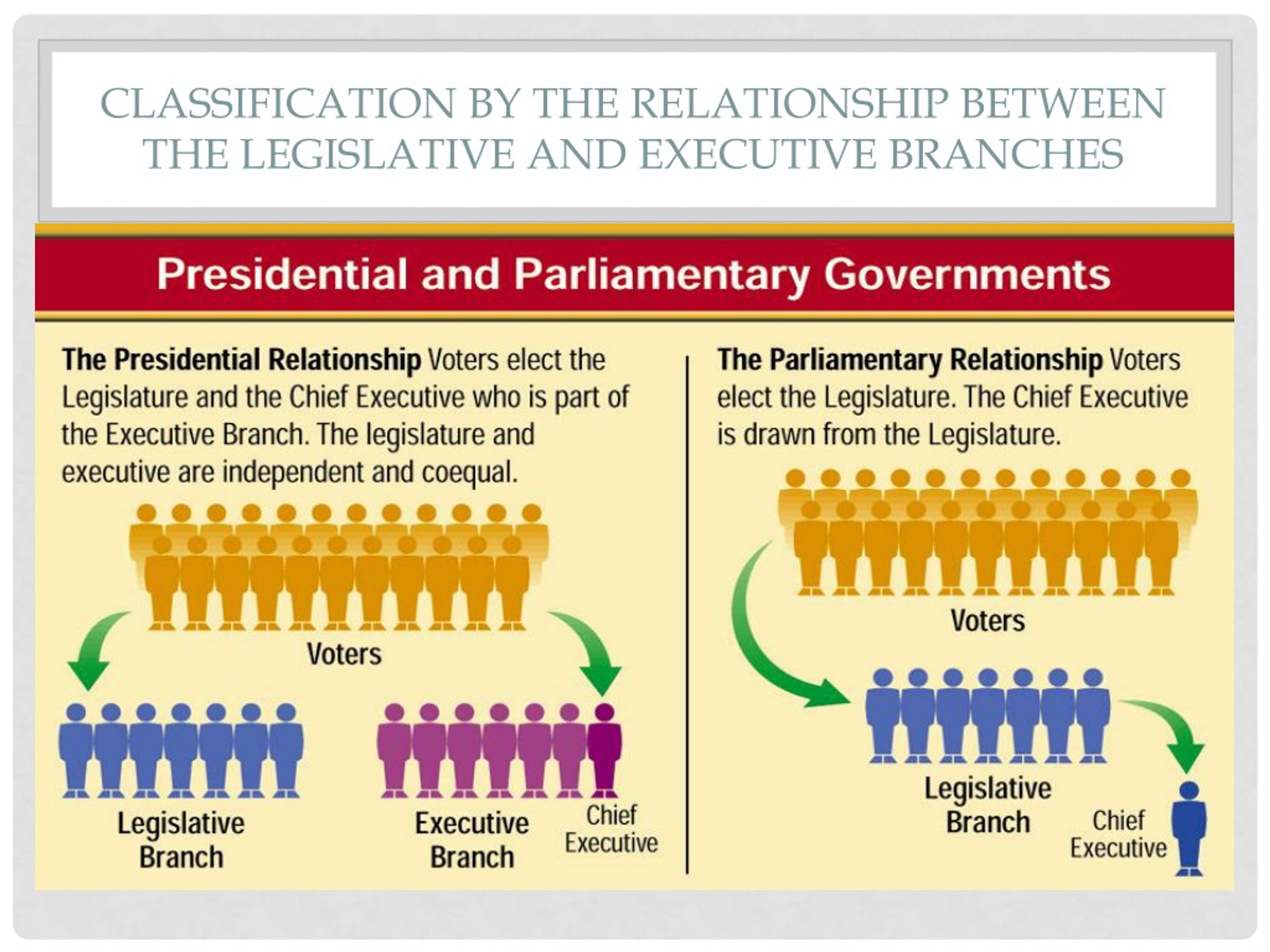
The traditional balance of power between the United States executive and legislative branches is undergoing a structural realignment characterized by the unilateral expansion of presidential prerogative. This shift is not merely a matter of political rhetoric but a tactical utilization of the State of the Union address and subsequent policy directives to bypass the deliberate friction of the committee system. By framing executive actions as mandates derived directly from the electorate, the presidency effectively transitions from an implementer of law to a primary driver of pseudo-legislative outcomes.
The Mechanism of Executive Encroachment
The expansion of executive authority functions through three primary vectors: the exploitation of vague statutory delegations, the strategic use of national emergency declarations, and the weaponization of the federal budget process. Each vector serves to diminish the role of Congress from a co-equal branch to a reactionary body.
- Statutory Delegation Elasticity: Congress frequently passes broad legislation that leaves specific implementation details to federal agencies. The executive branch utilizes this "regulatory gap" to enact substantive policy changes that were never explicitly debated on the House or Senate floor.
- Emergency Mandate Inflation: By identifying specific social or economic issues as "national emergencies," the executive accesses pools of funding and legal authorities intended for catastrophic events. This creates a bypass for the standard appropriations process.
- The Bully Pulpit as Policy Preemption: The State of the Union serves as a psychological anchor. By announcing specific, finished policy goals to a national audience, the president forces Congress into a binary choice: total capitulation or being labeled an obstructionist. This preempts the negotiation phase essential to stable governance.
The Cost Function of Bypassing Congress
The erosion of legislative primacy introduces significant systemic risks into the American political economy. When policy is enacted via executive order rather than legislative consensus, it suffers from a lack of durability. The "pendulum effect" ensures that successive administrations spend their initial 100 days rescinding the unilateral actions of their predecessors.
The economic cost of this volatility is measurable in the private sector’s inability to forecast long-term regulatory environments. Capital investment requires a predictable legal framework; however, an executive-heavy system creates a "high-beta" regulatory landscape where the rules of the market can be fundamentally altered by a single signature. This uncertainty functions as a hidden tax on domestic industry, as firms must allocate resources toward political hedging rather than research and development.
Quantifying the Structural Weakness of the Modern Legislature
Congress’s diminishing relevance is partly a self-inflicted result of the breakdown in the "regular order" of the budget process. Since the late 20th century, the shift toward omnibus spending bills and continuing resolutions has centralized power within the hands of a few party leaders, stripping individual members of their ability to exert influence via the amendment process.
This centralization makes the legislature a more manageable target for executive overreach. A fragmented, committee-driven Congress is difficult for a president to dominate; a top-heavy, polarized Congress is easily bypassed or co-opted. The result is a legislature that acts as a theater for partisan signaling rather than a factory for durable law.
The Feedback Loop of Judicial Intervention
As the executive expands and the legislature contracts, the judiciary is forced into the role of a final arbiter for granular policy disputes. This over-reliance on the court system creates a bottleneck in the governance process.
- Case Law as Policy: Major questions of environmental, labor, and immigration law are now decided by court rulings rather than legislative compromise.
- The Major Questions Doctrine: The Supreme Court has increasingly utilized this doctrine to strike down executive actions that lack "clear congressional authorization." While intended to check the executive, it highlights the vacuum left by a legislature that refuses to speak clearly on contentious issues.
The friction between the executive’s desire for speed and the judiciary’s requirement for statutory grounding creates a period of legal limbo that can last for years, during which time the underlying policy is neither fully active nor officially dead.
The Appropriation of Fiscal Sovereignty
The core of congressional power lies in the "power of the purse." The executive’s attempt to usurp this power through the reallocation of funds—moving money from accounts authorized by Congress to projects favored by the White House—represents the final stage of executive displacement.
When a president successfully redirects billions of dollars without an act of Congress, the fundamental check on the executive branch is compromised. This is not merely a budgetary dispute; it is a breakdown of the fiduciary duty the government owes to the taxpayer. The separation of powers was designed to ensure that the branch that spends the money (the Executive) is not the same branch that raises the money (the Legislature). Collapsing these two functions into the executive branch removes the primary barrier to fiscal irresponsibility.
Tactical Implications for Institutional Restabilization
To reverse this trend, the legislature must reassert its institutional identity over its partisan identity. This requires a transition back to decentralized power structures where committees hold genuine authority over their respective jurisdictions.
- Sunset Provisions on Delegated Authority: All significant regulatory authority granted to the executive branch should include mandatory expiration dates, forcing Congress to re-evaluate and re-authorize the scope of that power.
- Reform of the National Emergencies Act: Narrowing the definition of a "national emergency" and requiring an affirmative vote from Congress to extend any declaration beyond 30 days would close the most prominent loophole for executive overreach.
- The Restoration of the Appropriations Process: Eliminating omnibus packages in favor of 12 individual spending bills would restore the granular control necessary for Congress to monitor executive spending effectively.
The current trajectory points toward a "Plebiscite Presidency," where the head of the executive branch claims a direct mandate to govern above the other branches. This model is inherently unstable, as it relies on the charisma and willpower of a single individual rather than the strength of an institutional framework. The primary challenge for the next decade will be whether the legislative branch can reclaim its role as the central deliberative body of the republic, or whether it will continue to fade into a purely symbolic entity, serving only to provide a backdrop for executive proclamations.
Strategic re-balancing necessitates that legislative leaders prioritize the long-term health of the institution over short-term partisan victories. Without a robust, independent Congress capable of checking executive ambition, the American system of government loses the internal friction required to prevent the accumulation of absolute power. The path forward involves a deliberate, incremental clawback of authorities that have been ceded over the last half-century, starting with the reclamation of the budget process.


:max_bytes(150000):strip_icc():focal(936x0:938x2)/A-Dream-Deferred--Jesse-Jackson-and-the-Fight-for-Black-Political-Power-071125-d9581015560947c0953ca17d4f5ca244.jpg)