The headlines are shouting about "open war," but if you look at the actual mechanics of the current escalation between Islamabad and the Taliban in Kabul, it’s far less of a conventional military campaign and far more of a desperate, strategic gamble. Pakistan isn’t invading Afghanistan to conquer territory. They’re running out of other options.
For years, the narrative has been that the Afghan Taliban would eventually restrain the Tehreek-e-Taliban Pakistan (TTP)—the group actively waging an insurgency against the Pakistani state. That theory has officially cratered. Pakistan has hit a wall where diplomatic pressure, back-channel negotiations, and border closures have all failed to stop the steady drip of militant attacks from across the Durand Line.
The Real Trigger for the Strikes
You might hear that this is just another border skirmish, but that ignores the shifting reality on the ground. The TTP isn't just a nuisance anymore; they’ve expanded their reach, targeting Pakistani infrastructure and security posts with a level of sophistication that suggests they are operating with at least passive consent, if not active support, from their ideological brothers in the Afghan Taliban government.
Pakistan’s Defense Minister Khawaja Asif using the term "open war" is a signal. It’s an attempt to project strength to a domestic audience that is tired of hearing about soldiers dying in the northwest. When a state calls something "open war," it’s often a public admission that their covert strategies for regional influence have failed.
Think about it. Pakistan once nurtured the Taliban as a strategic asset to keep Afghanistan under its sphere of influence. Now, that same asset is harboring a group that aims to destroy the Pakistani state from within. It’s a classic blowback scenario, and Islamabad is currently paying the price.
Why the Afghan Taliban Won’t Budge
Many observers wonder why the Afghan Taliban simply doesn't crack down on the TTP to avoid these air strikes. The answer is simpler than you’d think: internal survival.
The Afghan Taliban is not a monolith. It’s a loose coalition of factions, and many rank-and-file fighters view the TTP as comrades-in-arms who stood with them during their two-decade fight against foreign forces. If the leadership in Kabul were to suddenly turn against the TTP, they would risk a mutiny. They would risk losing the loyalty of their most battle-hardened fighters, many of whom might defect to groups like the Islamic State-Khorasan Province (IS-KP).
For the Taliban, keeping the TTP happy isn't just about ideology; it's about maintaining power. They aren't going to sacrifice their internal cohesion just to make Pakistan happy, especially when they view Pakistan’s border fence and security measures as illegitimate.
The Myth of a Quick Resolution
If you’re waiting for a clean ending to this, you’re going to be disappointed. This won't end with a signed treaty or a neat handshake. The geography itself makes a decisive victory almost impossible. We are talking about a 1,600-mile porous border that cuts through tribal loyalties and rugged, mountainous terrain that has swallowed entire armies throughout history.
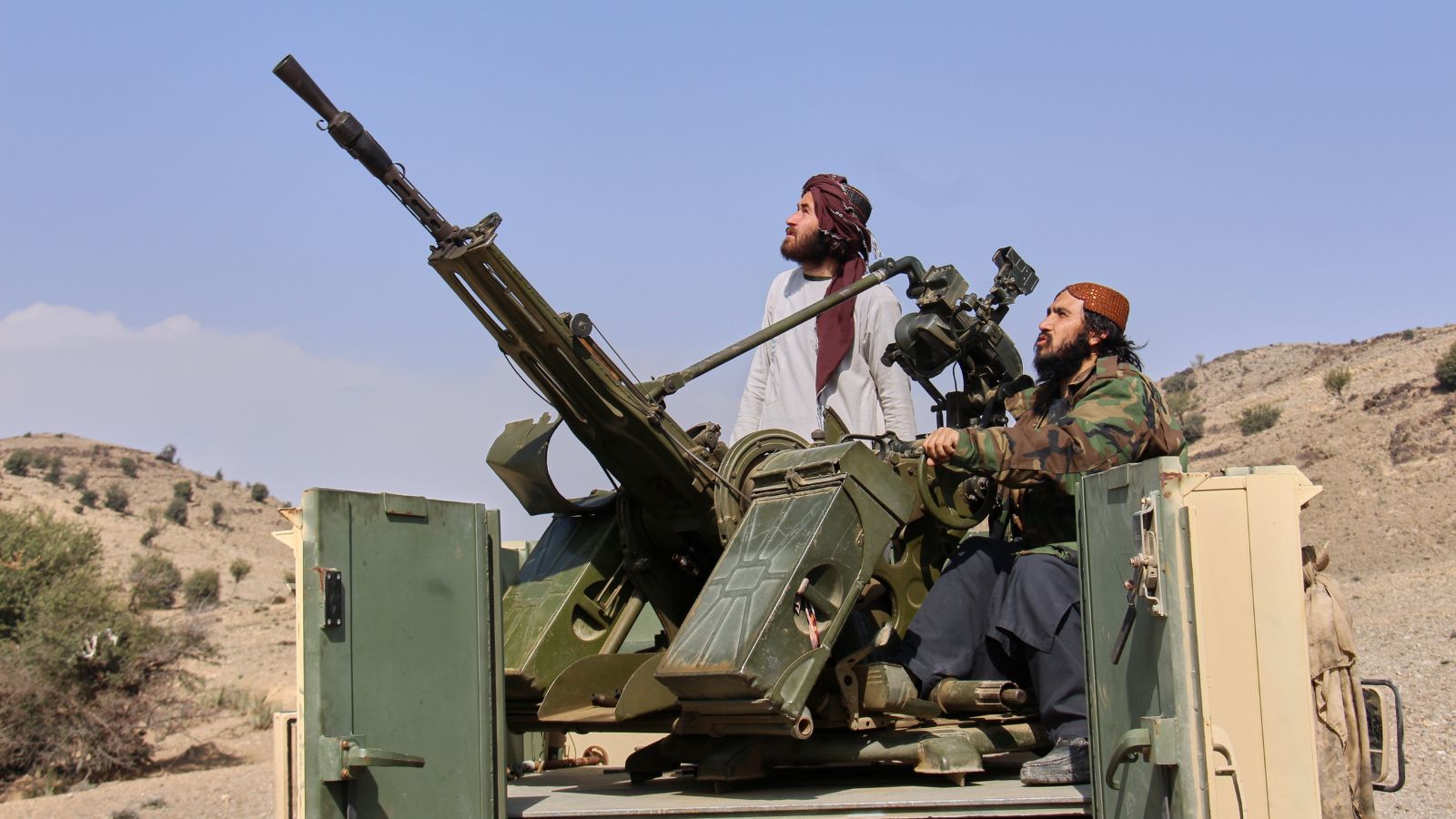
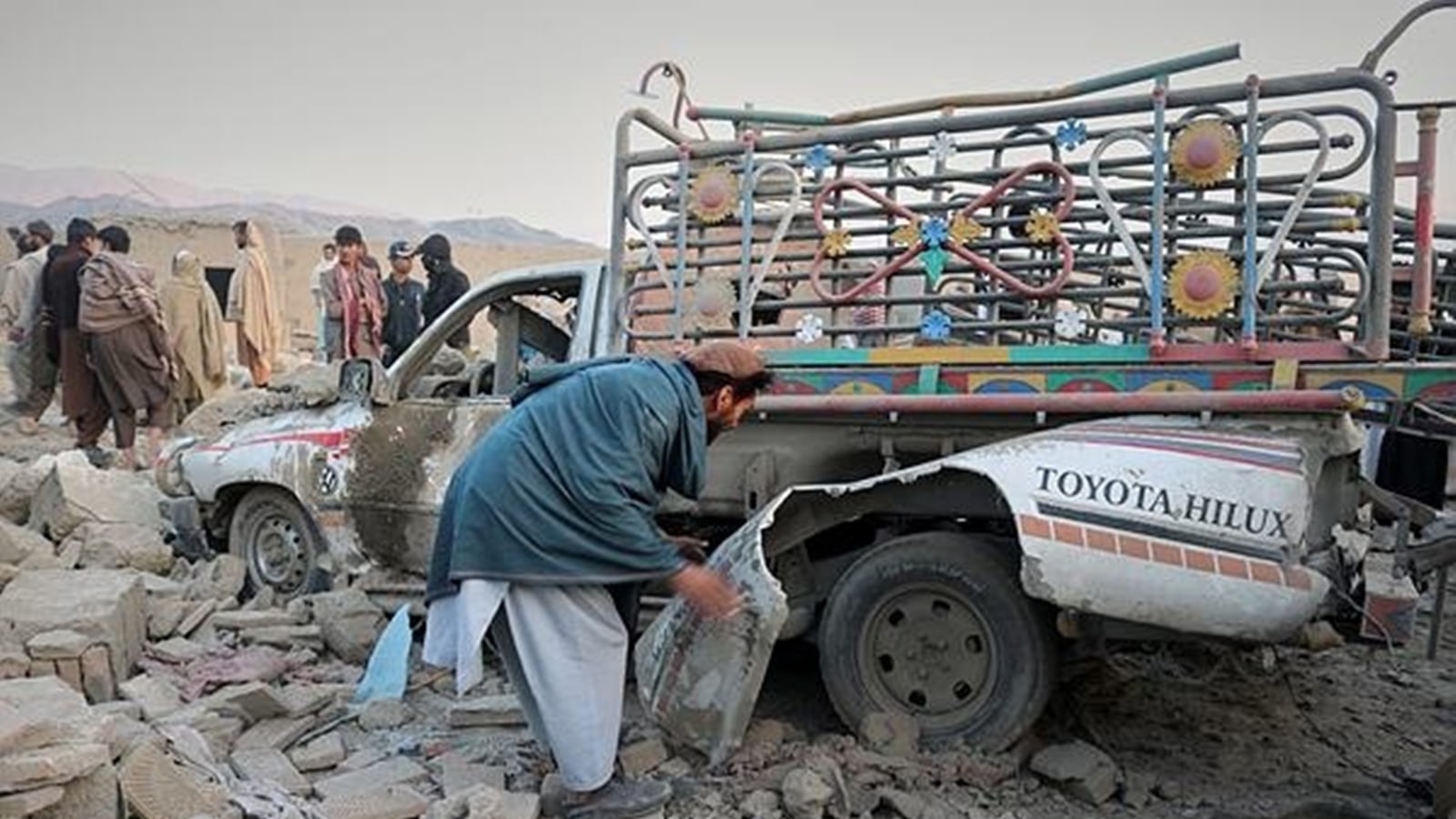
Pakistan’s air strikes, including those targeting infrastructure in Kabul and Kandahar, are meant to raise the cost of inaction for the Taliban. The strategy is coercive diplomacy: If you don’t stop the TTP, we will keep hitting your military assets. The problem is that the Taliban understands this game, too. They have their own ways of asymmetric warfare—guerrilla raids, cross-border infiltrations, and local insurgent tactics—that can wear down a conventional military over time. Pakistan might have the air force, but the Taliban has the advantage of time and local knowledge.
The Regional Domino Effect
This escalation doesn't happen in a vacuum. You have to look at the neighbors. China is deeply uncomfortable with this instability, as it threatens the security of their regional economic investments. Iran, already dealing with its own regional headaches, has no interest in seeing the border flare up into a full-blown war that creates a massive refugee crisis.
Expect to see heavy pressure from Beijing and potentially other regional powers for a "ceasefire." They will push for another round of talks. But remember the cycle: they talk, they pause the shooting for a few weeks, the TTP continues their attacks, and eventually, the pressure on the Pakistani military to "do something" builds up again.
If you are looking at the next few months, don't expect a peaceful resolution. Watch the border. Watch the frequency of the air strikes. Most importantly, watch for whether the Pakistani military actually attempts any significant ground incursions, which would signal that they have genuinely given up on the idea of a stable, friendly Afghan neighbor.
For now, the best outcome isn't peace. It’s a return to the messy, low-level stalemate that characterized the last few years. In this part of the world, a "frozen conflict" is often as good as it gets.