You’ve booked the flights, you’ve secured the hotel, and you’re already mentally lounging in a café somewhere in the Mediterranean. Stop. Before you get too comfortable, you need to look at the reality of traveling to Europe in 2026. It’s not just the usual summer crowds or the occasional strike this time. We are looking at a dual-threat situation that could turn your dream vacation into a logistical nightmare.
Basically, the European travel industry is caught in a pincer movement. On one side, you have a massive, clunky new border security system that is already choking airports. On the other, the global energy crisis is putting a serious squeeze on jet fuel supplies. If you think you can just show up and head to the beach, you’re in for a rude awakening.
The Border Bottleneck Reality
The European Union officially flipped the switch on its new Entry/Exit System (EES) on April 10, 2026. If you haven’t heard the horror stories yet, you haven’t been looking. This isn't just a minor technical upgrade. It replaces those manual passport stamps we’ve all been used to with a digital database that tracks every single entry and exit for non-EU nationals.
The theory sounds fine: faster, more secure borders. The practice? Pure chaos. Reports are already flooding in from major hubs like Paris, Madrid, and Milan, where passengers are waiting two to four hours just to get through passport control. In some instances, it’s even worse. At Milan Linate airport, a staggering 122 passengers on a single flight were left behind because they were still trapped in the queue when the plane pushed back.
The issue is that the system demands biometric data—fingerprints and facial scans—from every traveler. Even if you’ve traveled to Europe recently, the system is struggling to recognize repeat visitors efficiently, forcing border agents to default to the slow, manual process. If you’re flying into a major Schengen area airport this summer, arrive at least four hours early. Seriously. Don't gamble with standard arrival times; those days are gone.
The Fuel Crisis You Can’t Ignore
While the border queues are a headache, the jet fuel situation is a potential dealbreaker. We are witnessing the fallout of a major conflict impacting the Strait of Hormuz, a critical artery for global energy. The International Energy Agency has been transparent about the severity of this, warning that Europe is facing its most significant energy crisis in years.
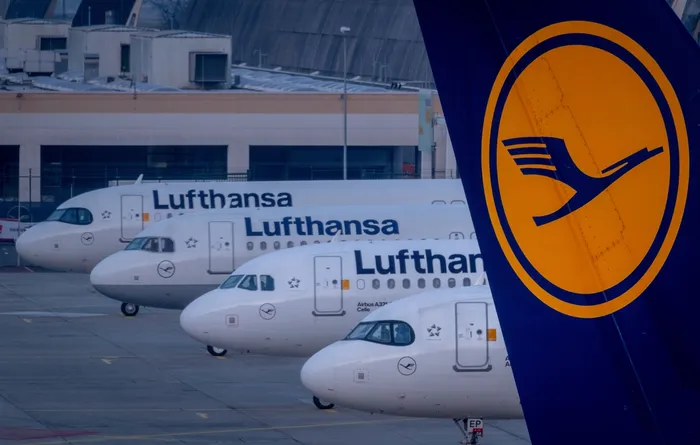
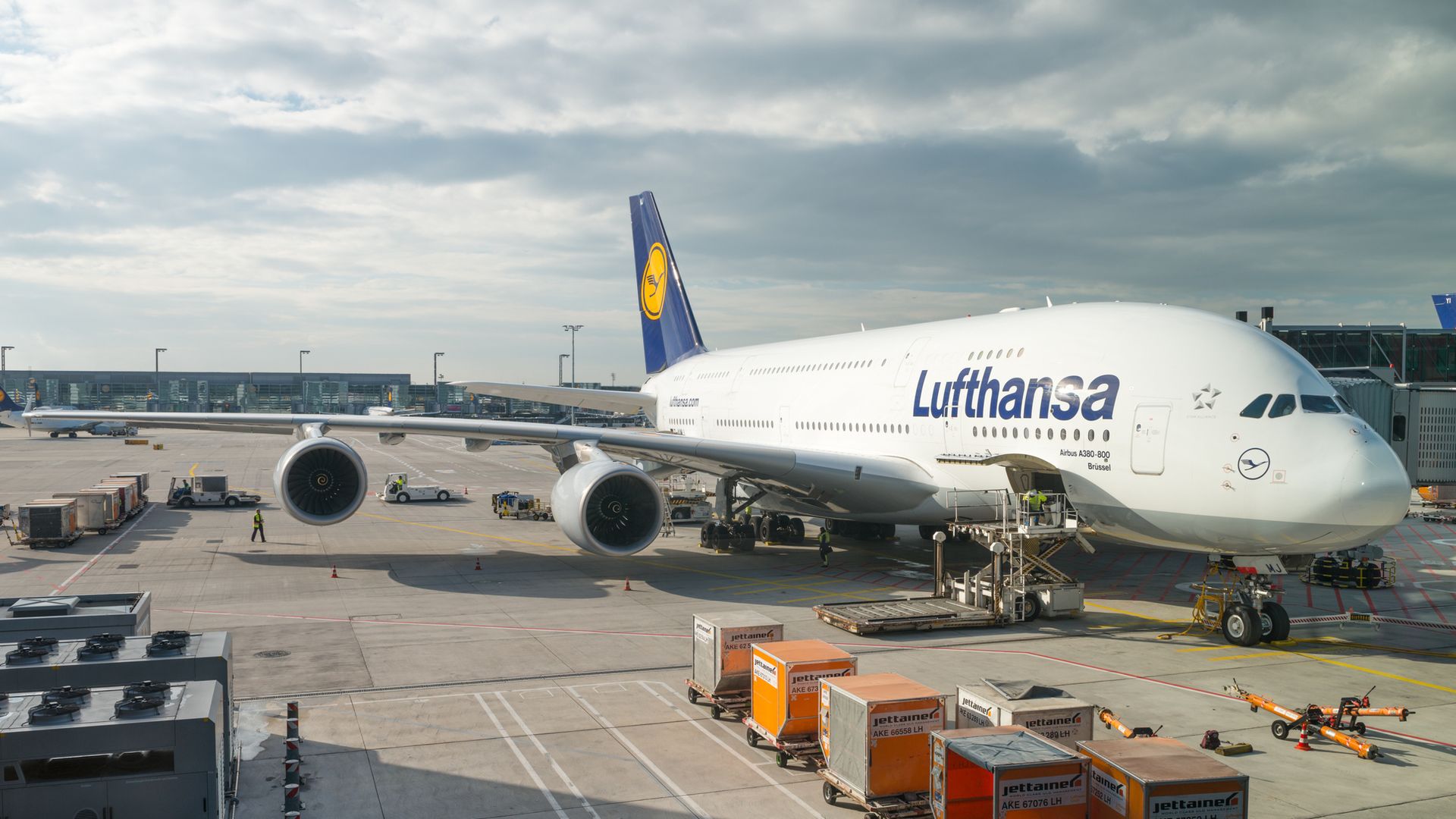
Jet fuel supplies are running thin. Unlike a flight delay caused by weather, a shortage of fuel is a structural problem that airlines can’t just fly their way out of. We’re already seeing the ripple effects. Major operators like the Lufthansa Group have started preemptively cutting thousands of flights.
Is your flight definitely canceled? No. But airlines are now forced to be ruthlessly efficient. If a route is underperforming or requires too much fuel, it’s getting cut. The industry is currently lobbying for concessions, including asking for permission to scrap passenger compensation rules for fuel-related cancellations. If they win that battle, you have zero leverage when your flight gets axed.
How to Protect Your Plans
You don’t have to cancel your trip, but you absolutely have to shift your strategy. Being a passive traveler in 2026 is a recipe for disaster.
- Build in a buffer. If you have a connecting flight, make it a long one. A two-hour connection used to be plenty; today, it’s a gamble. If you’re arriving at a destination, assume the absolute worst-case scenario at passport control and plan your ground transport accordingly.
- Download the apps. Many airports are pushing digital pre-registration tools. Use them. If there is a way to submit your details or handle part of the biometric process before you get to the desk, do it.
- Expect higher prices. The cost of fuel isn't just affecting availability; it’s being passed directly to you. Whether it’s a direct fuel surcharge or a higher base fare, budget for a more expensive trip than you originally calculated.
- Monitor, don't ignore. Keep your airline’s app notifications turned on. If there’s an operational change, you want to be the first to know, not the last to find out at the gate.
- Consider the off-peak advantage. If you haven't booked yet, look for travel times that avoid the typical "morning rush" at hubs. It won't solve the systemic issues, but it might just keep you out of the longest queues.
The system is currently failing to balance security with throughput, and the fuel market is under immense pressure. Europe is still open for business, but the "business as usual" approach is officially off the table. Stay sharp, prepare for delays, and have a backup plan for your backup plan. Expecting the unexpected is the only way to ensure you actually make it to your destination.