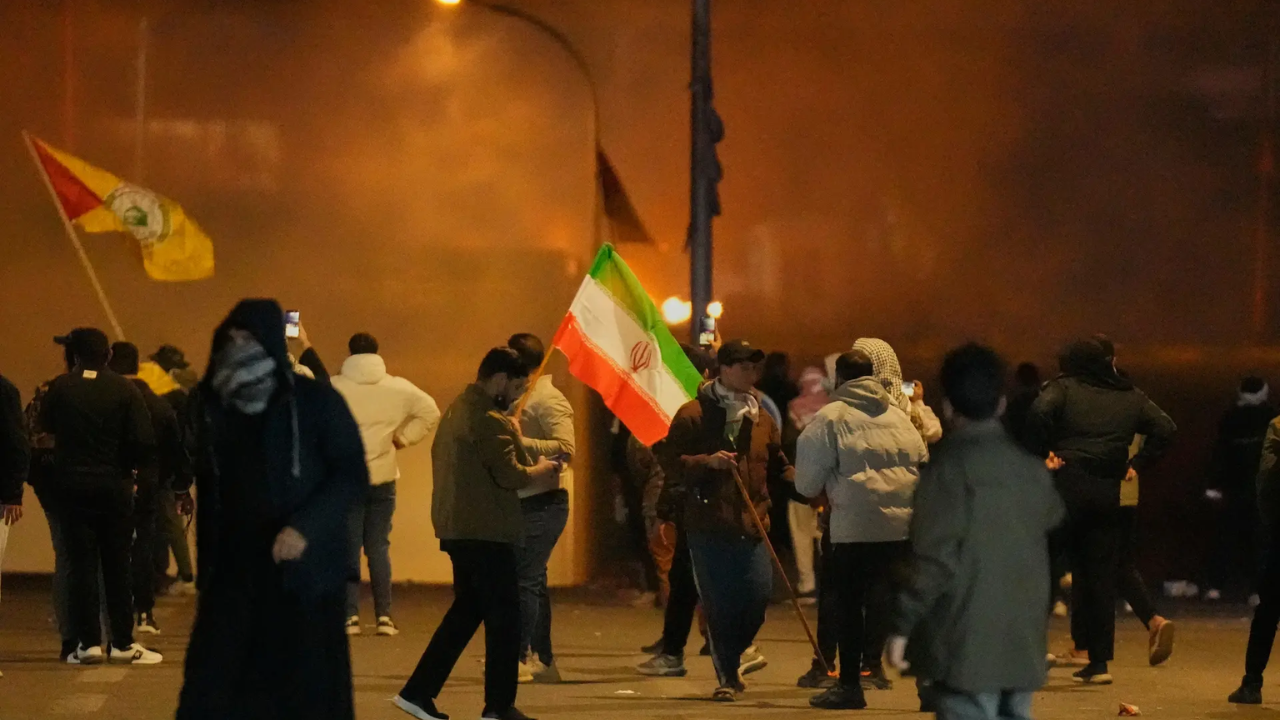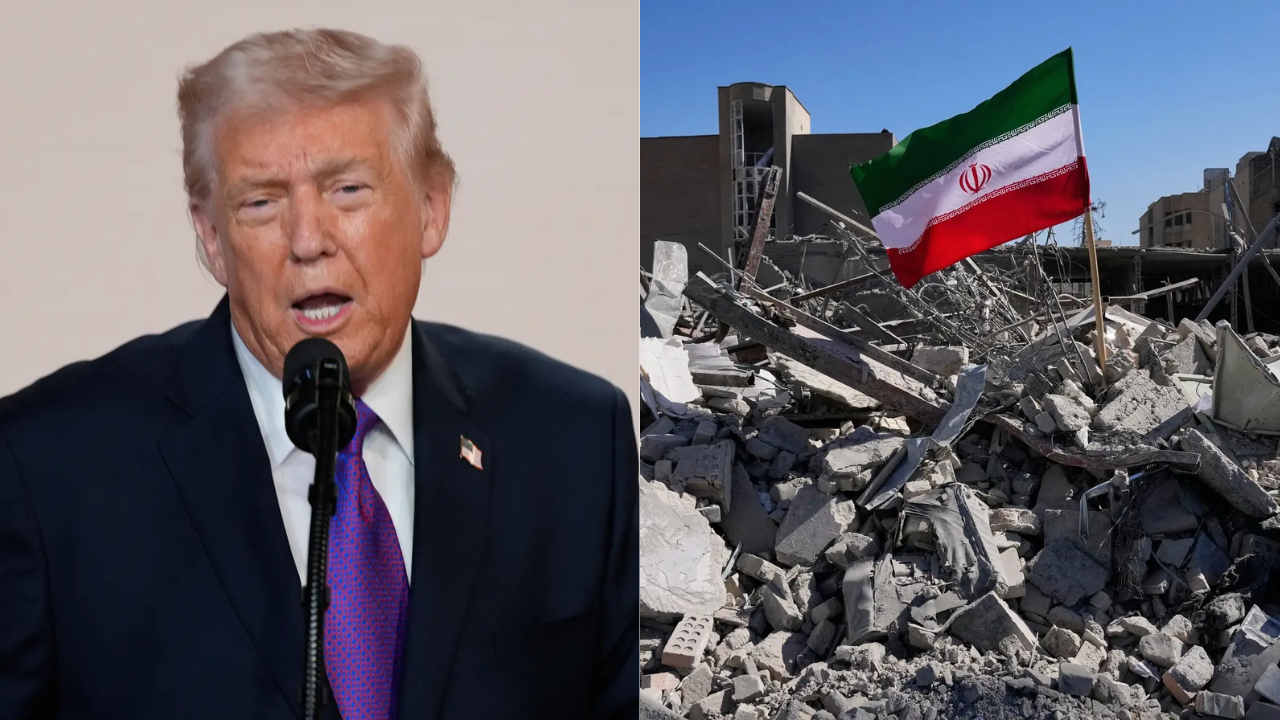
The map of the Middle East was redrawn in the early hours of February 28, 2026, not by diplomats, but by the kinetic force of two thousand precision strikes. This was the moment the "gray zone" died. For decades, the conflict between the West and the Islamic Republic of Iran was defined by a shadow war—a cautious dance of proxies, cyber-sabotage, and deniable assassinations. That era of strategic ambiguity is over. By launching Operation Epic Fury and Operation Roaring Lion, the United States and Israel have abandoned containment in favor of a blunt, high-stakes gamble on regime collapse.
The primary objective was a decapitation strike that actually succeeded. This was not a limited "warning shot" to bring Tehran back to the negotiating table. The confirmed deaths of Supreme Leader Ali Khamenei and the upper echelon of the Islamic Revolutionary Guard Corps (IRGC) signal a permanent shift in posture. Washington and Jerusalem are no longer trying to manage the Iranian threat; they are attempting to delete it.
The Decapitation Gamble
The sheer audacity of the February 28 strikes caught the world—and likely the Iranian leadership—entirely off guard. Intelligence suggests the first wave targeted a high-level security summit in Tehran. This wasn't just about destroying centrifuges at Natanz or Fordow. It was about vaporizing the decision-making apparatus of the state.
Military analysts have long debated the efficacy of "decapitation." History shows it often leads to chaos rather than a clean transition. However, the Trump administration and the Netanyahu government seem to have calculated that the internal rot within Iran—highlighted by the massive, suppressed protests of January 2026—had reached a tipping point. They aren't just betting on their own bombs; they are betting on the Iranian people’s willingness to tear down what remains of the clerical structure.
A Neutered Axis of Resistance
One of the most significant reveals of the first week of combat is the diminished state of Iran's "Forward Defense" strategy. Hezbollah, once the crown jewel of Iran’s proxy network, is currently a shadow of its former self.
Following the 2024 ceasefire and subsequent Israeli incursions, the Lebanese militia has lost its veto power over the Beirut government. When Hezbollah attempted a retaliatory "swarm" of drones against Haifa on March 2, the response from the Lebanese state was unprecedented. Prime Minister Nawaf Salam didn't just condemn the move; he outlawed Hezbollah’s military activities entirely.
This internal Lebanese fracture is a disaster for Tehran. Without a reliable Mediterranean front, the "Axis of Resistance" is effectively decapitated alongside its masters. The IRGC is now forced to fight a conventional war from its own soil, stripped of the layers of proxy protection it spent forty years building.
The Regional Collateral
The retaliation has been desperate and wide-ranging. Iran has not limited its counter-strikes to military targets. By launching ballistic missiles at civilian airports in Kuwait and the UAE, and targeting the U.S. Embassy in Riyadh, the interim leadership in Tehran is trying to hold the global economy hostage.
| Location | Target Type | Status |
|---|---|---|
| Strait of Hormuz | Global Oil Shipping | Functionally closed; U.S. Navy escorting tankers. |
| Al-Udeid, Qatar | U.S. Military Base | Direct hits reported; minimal casualties. |
| Riyadh, Saudi Arabia | U.S. Embassy | Drone strike caused fire and material damage. |
| Haifa, Israel | Naval/Industrial | Most projectiles intercepted by multi-layered defense. |
The move to close the Strait of Hormuz is the "nuclear option" of conventional warfare. With 20% of the world’s petroleum flow at risk, the global markets are in a tailspin. Yet, unlike previous crises, the U.S. has maintained air supremacy over the Persian Gulf from day one. The sinking of the Jamaran-class corvette and several Alvand-class frigates suggests that Iran’s naval capability to enforce a long-term blockade is rapidly evaporating.
The Nuclear Silence
The most curious aspect of the five-day-old war is the status of Iran’s nuclear facilities. While the U.S. justified the invasion as a preventive strike against an "imminent" nuclear breakout, the International Atomic Energy Agency (IAEA) reported on March 2 that it has seen no evidence of damage to major nuclear sites.
This creates a glaring disconnect. If the goal was to stop a bomb, why haven't the reactors been leveled? The reality is likely more complex. Attacking hardened, underground facilities like Fordow requires specialized munitions that cause massive environmental risks. Instead, the U.S.-Israeli strategy appears to be focused on the "soft tissue" of the program: the scientists, the command-and-control servers, and the logistics chains.
By destroying the Esfahan Optics Industry and the IRGC drone bases in Kermanshah, the coalition is paralyzing the delivery systems rather than just the warheads. It is a more surgical, though no less violent, approach to non-proliferation.
The Internal Void
Inside Iran, the situation is a vacuum. The "Interim Leadership Council" currently claiming authority in Tehran is struggling to maintain order. Internet blackouts—the result of the largest coordinated cyberattack in history—have left the population in the dark.
This is where the "forever war" risk actually lives. If the regime does not collapse completely, and instead fractures into competing warlord factions, the U.S. and Israel will find themselves responsible for a territory they have no interest in occupying. There is no "Plan B" for a fragmented Iran. The strikes have successfully broken the machine, but nobody has a blueprint for what to build in its place.
The coming days will determine if this was a masterstroke of regime change or the beginning of a generational insurgency. The shadow war is over, and the lights are on. What they reveal is a region where the old rules have been burned to the ground, leaving only the raw exercise of power.
Would you like me to analyze the specific impact of the Strait of Hormuz closure on global energy prices and shipping routes?