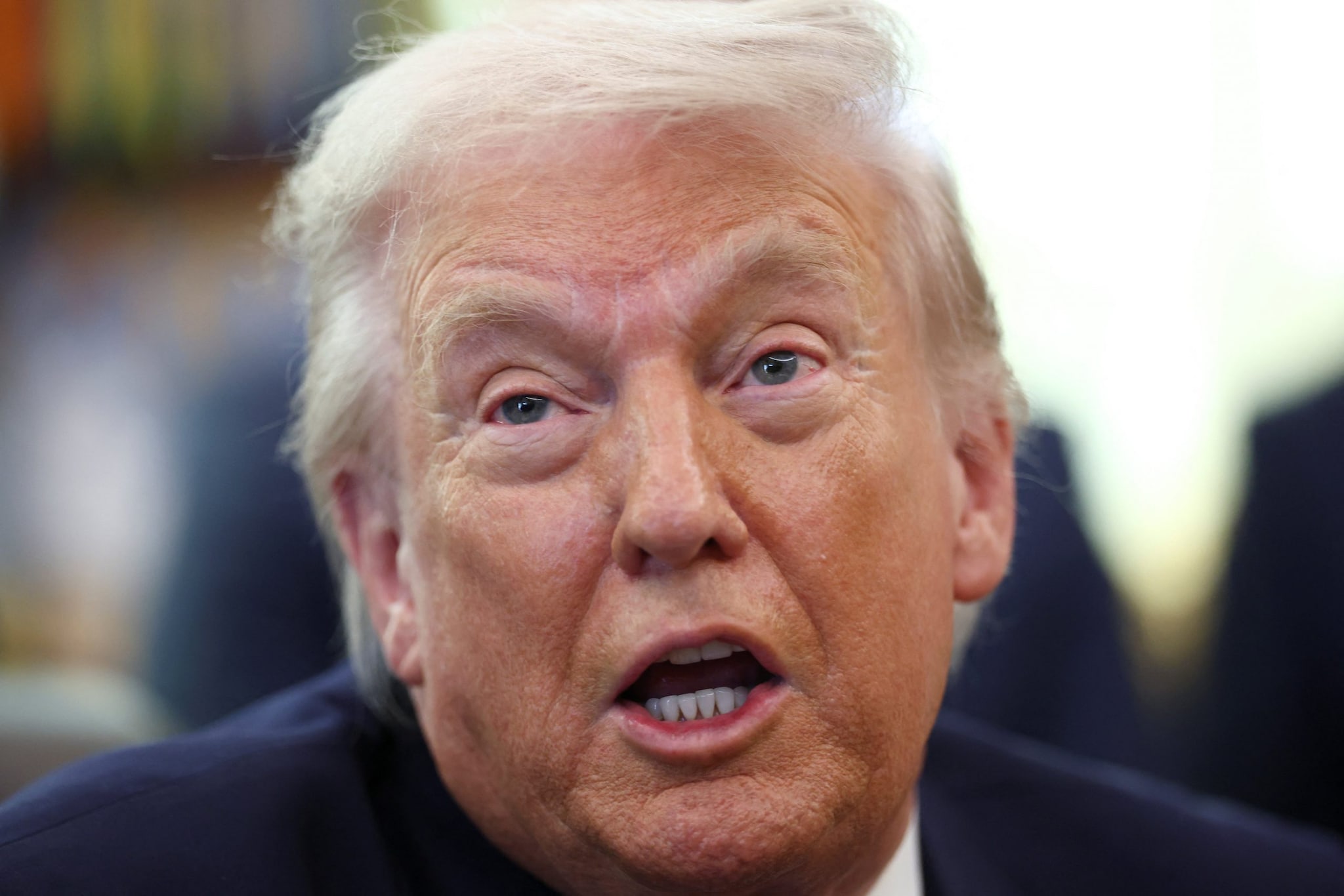
Donald Trump thinks the Iranian regime is finally ready to sit down and talk. In a recent sit-down with The Atlantic, the former president and current candidate laid out a scenario where Tehran, bucking under the weight of economic reality and internal pressure, is looking for an exit strategy. It’s a bold claim. It’s also classic Trump—positioning himself as the only dealmaker capable of bringing a decades-long adversary to the table without firing a shot.
Whether you believe him or not depends entirely on how you view his "maximum pressure" legacy. To his supporters, this is the inevitable result of a strategy that squeezed the Iranian economy until it gasped. To his critics, it sounds like another round of campaign-season bluster aimed at voters who are weary of Middle Eastern entanglements but still want America to look tough.
Let's look at the actual mechanics of what’s happening here. Trump told the magazine that the leadership in Tehran is "dying to make a deal." He didn't provide a list of names or intercepted cables. He relied on his gut and his reading of the room. He's betting that the Iranian government realizes the current path leads to a dead end.
The logic behind the claim
Why would they talk now? If you look at the Iranian rial, it’s not doing great. Inflation is a nightmare for the average person in Tehran. The sanctions didn't just hurt the government; they gutted the middle class. Trump’s argument is simple. He believes that by the time a second term would start, the Iranian leadership will have exhausted every other option. They’ll be forced to choose between the survival of their system and their pride.
Historically, Iran doesn't just fold. They play a very long game. They’ve spent years building a "ring of fire" around Israel and using proxies like Hezbollah and the Houthis to keep their enemies busy. Trump’s perspective ignores that. He sees a business transaction. He thinks everything has a price. If he can offer them a way to keep their power while giving up their nuclear ambitions, he thinks they’ll take it.
It’s a massive gamble.
The Iranian leadership has spent years calling him "the Great Satan" and worse. There’s a personal grudge there too, especially after the 2020 strike on Qasem Soleimani. Most experts in Washington think the idea of a friendly chat over coffee is delusional. But Trump isn't a Washington expert. He hates those guys. He prefers the direct approach, even if it looks messy from the outside.
What a new deal might actually look like
If a deal actually happened, it wouldn't look like the 2015 JCPOA. Trump hated that deal. He called it the worst ever made. He wants something that covers more than just centrifuges and enrichment levels.
- Ballistic Missiles: Any new negotiation would have to include Iran's missile program. This is a non-negotiable for Israel and Saudi Arabia.
- Regional Proxies: The U.S. would demand an end to the funding of groups in Iraq, Syria, and Yemen.
- Sunset Clauses: Trump wants a deal that doesn't expire. He wants "forever" terms.
Getting Iran to agree to even one of these points is a tall order. Getting all three? That’s almost impossible under the current Iranian supreme leader. Yet, Trump’s rhetoric suggests he’s looking for a grand bargain. He isn't interested in the incremental diplomacy that characterized the Obama or Biden eras. He wants the big win. He wants the photo op.
The risk of being wrong
The danger here is obvious. If Iran isn't actually ready to talk, and Trump spends his energy waiting for a phone call that never comes, the nuclear clock keeps ticking. Iran is closer to a weapon now than they’ve ever been. While Trump tells The Atlantic that they’re desperate, intelligence reports suggest they’re actually emboldened by their ties to Russia and China.
Tehran has found new ways to sell oil. They’ve built a "ghost fleet" of tankers that bypass Western eyes. They aren't as isolated as they were in 2018. If Trump walks into a room expecting a surrender and finds a defiant regime instead, the situation could escalate fast.
His supporters say this is exactly why he’s the right guy. They argue his unpredictability is a feature, not a bug. It keeps the Iranians guessing. If they don't know if he's going to offer a deal or order a strike, they have to be careful. It’s a high-stakes version of the "madman theory" of diplomacy.
Moving past the rhetoric
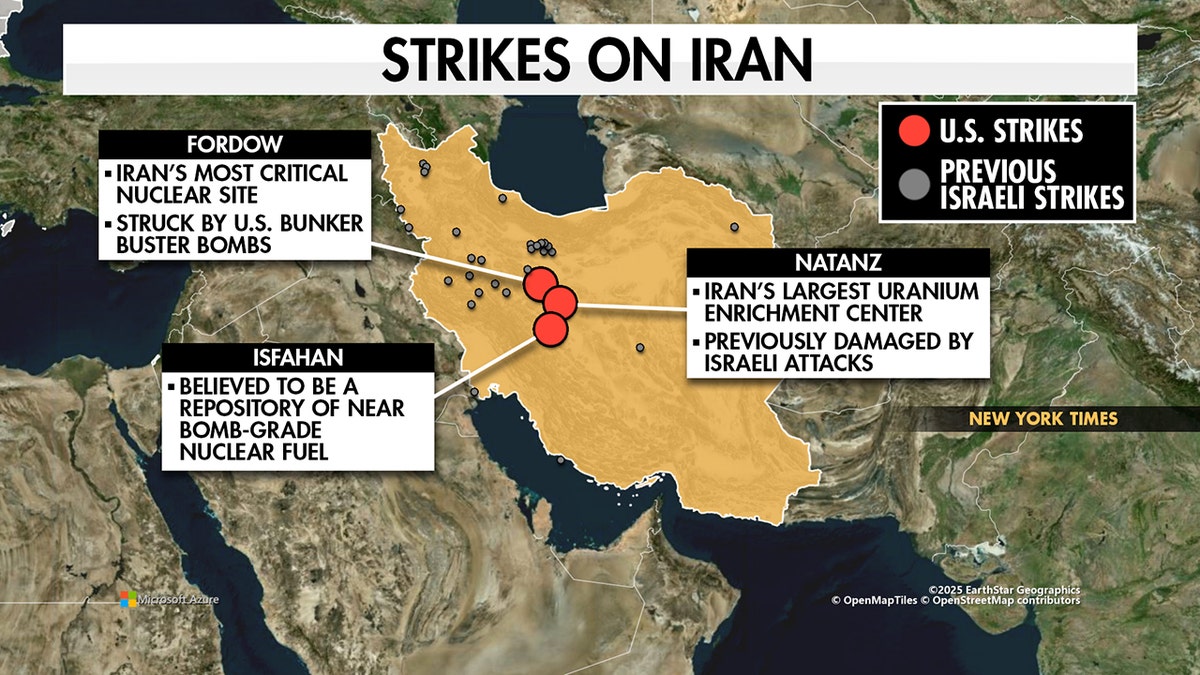
If you're watching this situation, don't focus on the headlines about "wanting to talk." Focus on the actions. Watch the oil shipments. Watch the enrichment levels at Fordow and Natanz. Those are the real indicators of whether Iran is feeling the heat.
The next few months will be telling. As the U.S. election nears, the Iranian leadership will be doing their own math. They’re weighing the risks of a second Trump term against the status quo. If they really are "dying to make a deal," we’ll see it in the form of back-channel messages through countries like Oman or Qatar.
Keep an eye on the Swiss embassy in Tehran. That’s usually where the real business happens. Until we see movement there, Trump’s comments remain a fascinating look into his mindset, but not necessarily a reflection of reality on the ground.
Start tracking the rhetoric coming out of the Iranian Foreign Ministry. If they stop the personal attacks and start using words like "mutual respect," the door might actually be ajar. If they stay silent or double down on threats, you’ll know Trump’s "gut feeling" was just that.