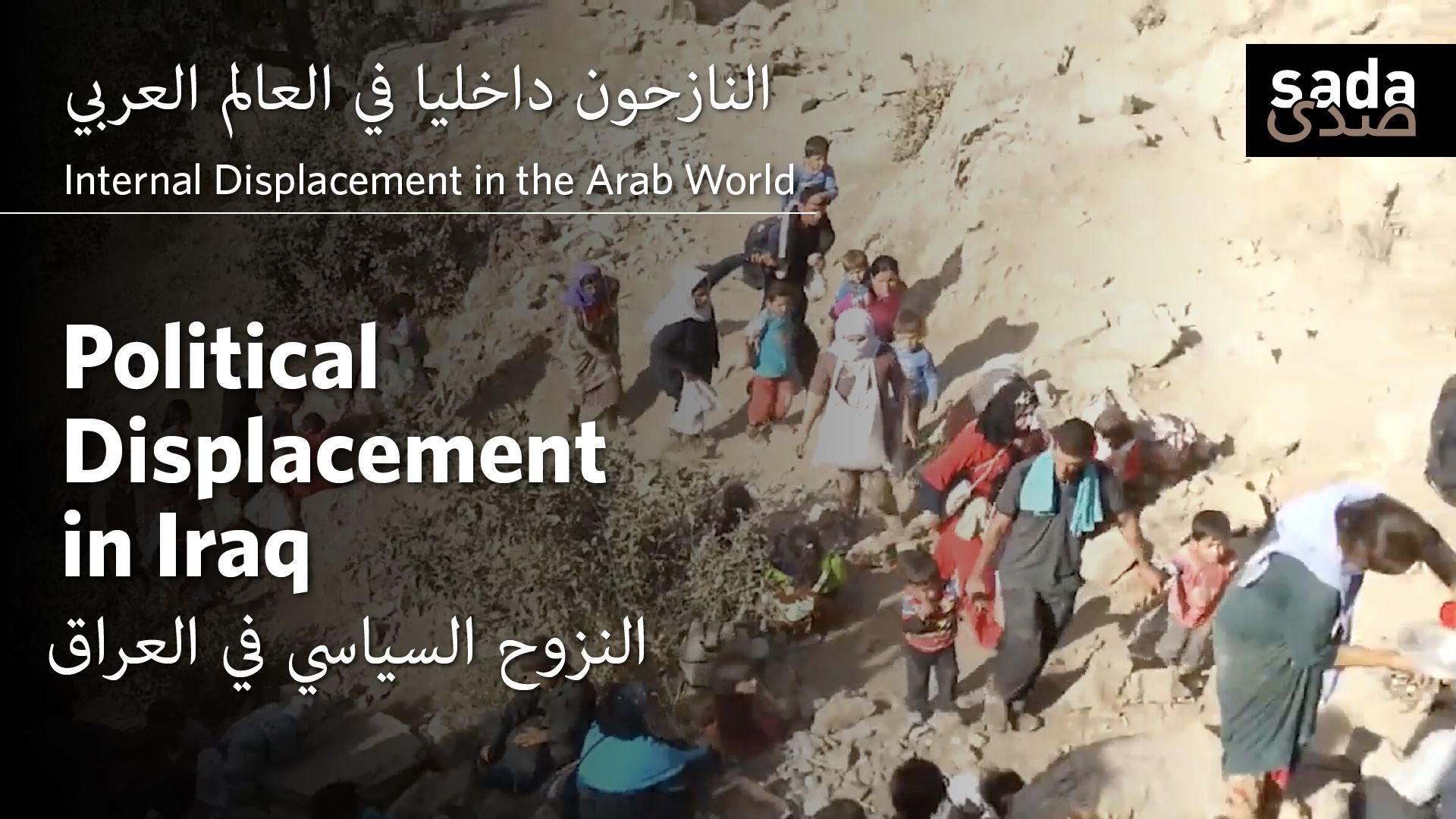
The roads leading north from Nabatieh aren't just roads anymore. They're parking lots for the desperate. If you've ever seen a family of six trying to fit their entire lives into a 2012 sedan while the sky behind them glows with the orange hue of an airstrike, you know this isn't just "movement." It's a collapse.
Right now, southern Lebanon is witnessing a mass exodus that feels hauntingly familiar but is technically much worse than the 2024 escalations. Israeli attacks have intensified, triggered by the chaos of the broader US-Israel-Iran conflict that kicked off in late February. On March 2, 2026 alone, the Israeli military issued evacuation orders for 53 villages. Think about that. Fifty-three entire communities were told to pack up and vanish in hours.
The result? Over 60,000 people were displaced in just 48 hours this week. That’s on top of the 65,000 who never even made it home after the last round of fighting. We’re looking at a humanitarian bottleneck that Lebanon’s crumbling infrastructure simply can't handle.
The Reality of Evacuation Warnings
Don't let the term "warning" fool you. These aren't polite suggestions. When the IDF drops flyers or sends telegram blasts telling people to move 1,000 meters into "open lands," they’re essentially turning civilian neighborhoods into free-fire zones.
I've seen reports from families in Tyre and Sidon who describe the panic. It’s not just the fear of the bomb; it’s the logistical nightmare. Imagine 30,000 people hitting a single two-lane coastal road at 4:00 AM. Many ended up sleeping in their cars on the shoulder of the highway because there was literally nowhere left to drive.
- Village Count: 53 towns under immediate threat.
- Targeting: Focus on Hezbollah infrastructure, but the "collateral" is devastating.
- The Litani Factor: Israel has explicitly warned everyone south of the Litani River to get out.
The Lebanese government is trying to open public schools as shelters, but 49 of them were reported full by Tuesday night. It’s a game of musical chairs where the chairs are floor mats and the music is the sound of drones.
Why This Time is Different
In 2024, there was at least a shred of a diplomatic "red line." In 2026, those lines have been incinerated. The assassination of Iranian leadership in late February basically turned Lebanon into the primary shock absorber for the regional explosion.
Hezbollah is firing back, sure, but the Lebanese state is in an impossible position. Prime Minister Nawaf Salam actually called Hezbollah’s actions "irresponsible" and ordered arrests for those launching rockets. That’s a massive internal shift. You’ve got a government trying to distance itself from a militia to avoid total national destruction, while the militia claims it’s the only thing standing between the south and an Israeli land invasion.
Honestly, the "ceasefire" of late 2024 was always a ghost. Israel has been carrying out "enforcement" strikes for over a year. But what we're seeing now—70 strikes in a single morning across the south, the Bekaa, and Beirut—is a total return to all-out war.
A Crisis of Shelters and Essentials
If you’re lucky enough to make it to a shelter in Beirut or the Keserwan region, your "safety" is relative. Most of these shelters are public schools with no showers, limited solar power, and a massive shortage of mattresses.
UNICEF is reporting that about 18,000 of the newly displaced are children. These kids aren't just missing school; they’re witnessing the literal erasure of their hometowns. The World Food Programme is scrambling to move supplies overland from Turkey and Jordan because the ports and airports are too risky.
The numbers are staggering:
- 52 deaths in one night (March 2).
- 154 injuries recorded by the Ministry of Public Health.
- 300+ shelters opened, yet most are at breaking point.
The psychological toll is what people forget to mention. When you’ve been displaced three times in three years, you stop unpacking. You live out of a plastic bag because you know the "safe zone" you're in today could be on the evacuation list tomorrow.
What Needs to Happen Now
Waiting for a UN Security Council resolution is a fool’s errand at this point. The March 10 briefing will likely just be more of the same "grave concern."
If you want to actually help or understand the next steps, the focus has to be on the ground-level logistics. Organizations like the Lebanese Red Cross and UNICEF are the only ones getting water and bread to the people stuck in traffic on the coastal roads.
The immediate priorities aren't political; they're survival-based:
- Fuel for Generators: Most shelters have zero power at night without diesel.
- Medical Corridors: Getting the injured from the south to hospitals in the north is taking 8+ hours due to road congestion.
- Cross-Border Movement: We’re seeing a spike in people crossing back into Syria. Think about how desperate you have to be to flee into Syria for safety.
The situation in southern Lebanon isn't going to "stabilize" on its own. As long as the regional war between the US, Israel, and Iran continues to escalate, the Lebanese border villages will continue to be the front line. Don't look away. The displacement crisis is only getting started.
If you are looking to support relief efforts, prioritize local NGOs that have direct access to the "collective shelters" in schools, as international aid is currently bottlenecked by shipping restrictions.


