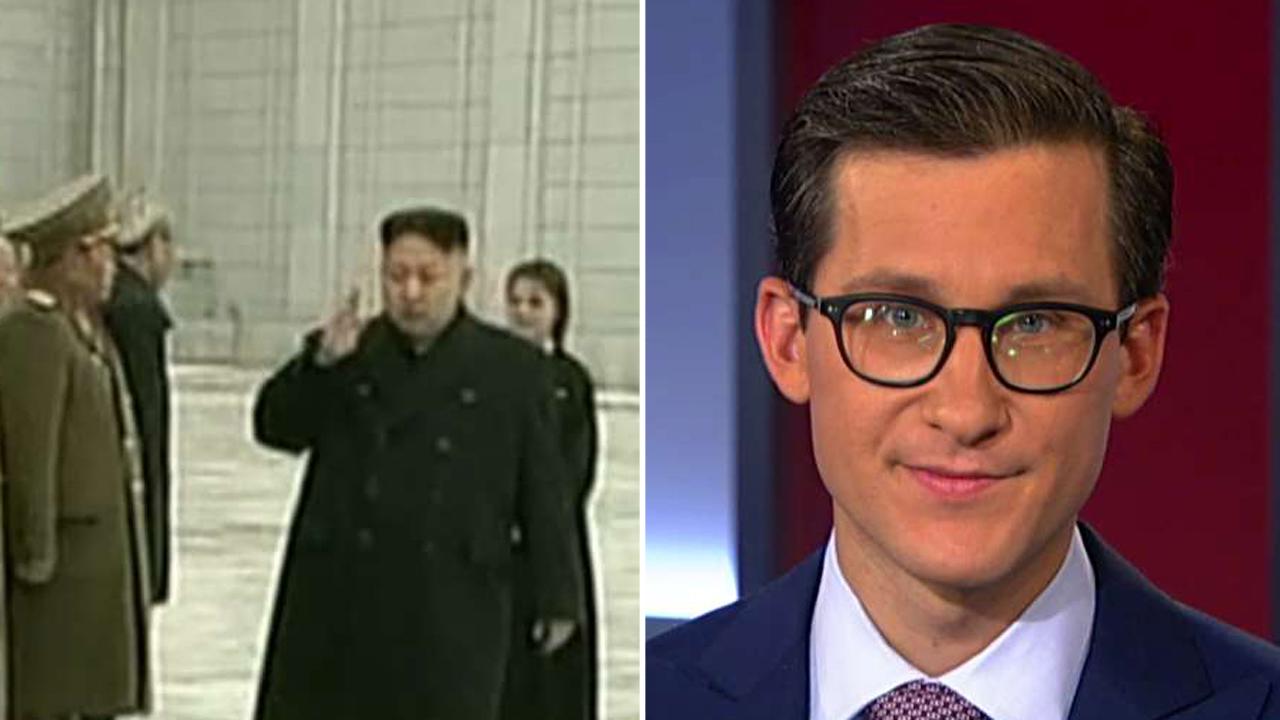
The modern political arena has shifted from debating policy to questioning the very morality of the state. Recently, Rahul Gandhi, the Leader of the Opposition in India, launched a rhetorical strike that goes far beyond typical parliamentary bickering. He asked whether Prime Minister Narendra Modi views the assassination of heads of state as a legitimate method for defining a new world order. This isn't just a provocative question. It is a calculated attempt to link India’s current foreign policy trajectory with a global trend of "extrajudicial settlements" that have dominated headlines from Canada to the United States.
At the heart of this controversy lies a fundamental shift in how India projects power. For decades, New Delhi adhered to the "non-aligned" doctrine, a cautious approach that prioritized sovereignty and international law. Under the current administration, that caution has been replaced by a "Bharat First" assertiveness. Gandhi’s critique suggests that this assertiveness has morphed into something darker—a willingness to bypass legal norms to eliminate perceived threats. While the government dismissed his comments as "anti-national" rhetoric, the timing is impossible to ignore. It coincides with intense international scrutiny over alleged assassination plots involving Indian agents on foreign soil.
The Mechanism of Transnational Repression
To understand the weight of Gandhi’s accusation, one must look at the technical and bureaucratic mechanisms that allow a state to project lethal force across borders. This is not about James Bond-style gadgets. It is about the fusion of signals intelligence, financial tracking, and "deniable" assets.
When a government decides to neutralize a target outside its borders, it rarely uses a "red telephone" to order a hit. Instead, it relies on a complex web of intelligence agencies—in India’s case, the Research and Analysis Wing (R&AW)—and often, according to various Western intelligence leaks, criminal syndicates that provide the necessary degree of separation. The process involves:
- Signals Intelligence (SIGINT): Intercepting encrypted communications to track the movement of dissidents.
- Human Intelligence (HUMINT): Recruiting local assets or using members of the diaspora to provide real-time surveillance.
- Financial Laundering: Moving operational funds through shell companies to ensure the money trail ends in a dead end.
The danger for India is not just the moral outcry. It is the technical exposure. Modern digital footprints are nearly impossible to erase. When the U.S. Department of Justice unsealed an indictment against an Indian national for a foiled plot to kill a Sikh separatist in New York, they didn't rely on hearsay. They had logs. They had screenshots of chats. They had a digital map of the entire operation. This is where the "world order" Gandhi speaks of becomes a liability. If India is trying to sit at the high table of global powers, it must contend with the fact that those powers have the most advanced electronic nets in history.
The Geopolitical Gamble of the Hardline State
Why would a rising economic power risk its reputation on high-stakes eliminations? The logic within the corridors of power in New Delhi is often framed as a "necessary realism." Supporters of the current administration argue that Western powers have used these tactics for a century with impunity. They point to drone strikes, "black sites," and targeted killings by Israel or the United States as the true blueprint for a modern superpower.
However, India is not the United States. It does not yet possess the economic leverage to force the world to look the other way. When Russia poisons a defector in Salisbury, it faces sanctions. When India is linked to a shooting in British Columbia, it faces a diplomatic freeze with a G7 partner. Rahul Gandhi is tapping into the fear that India is adopting the "rogue" playbook without having the "superpower" immunity.
The "New World Order" Gandhi refers to is a multipolar system where the old rules—the Westphalian sovereignty we all learned about in school—are being shredded. In this version of reality, strength is measured by the ability to act with "proactive defense." If you believe a threat is brewing in a suburb of Toronto or a street in San Francisco, you don't wait for a slow-moving extradition treaty. You handle it. That, at least, is the philosophy the opposition is accusing the Prime Minister of embracing.
Data Privacy and the Dissident’s Dilemma
In the digital age, an assassination is the final step in a long process of data harvesting. The "assassination as world order" theory relies heavily on the erosion of privacy. Governments now have access to tools that can turn a smartphone into a tracking beacon.
- Pegasus and Zero-Day Exploits: Software that can infiltrate a phone without the user even clicking a link.
- Metadata Analysis: Even if a message is encrypted, who you talk to and for how long is visible to state-level actors.
- Facial Recognition AI: Integrated into city-wide CCTV networks, making it impossible for "targets" to disappear in plain sight.
For Gandhi, the concern is that these tools, built for national security, are being repurposed for political cleansing. He argues that by normalizing the "elimination" of enemies abroad, the state inevitably turns those same tools on its critics at home. It is a slippery slope from a drone strike in a foreign desert to a "mysterious" accident in a local province.
The Cost of a Tarnished Brand
India’s greatest asset in the last twenty years hasn't been its military; it has been its "soft power." It is the world’s largest democracy. It is a stable, rule-following alternative to the authoritarian rise of China. This brand is worth trillions in foreign direct investment.
If Gandhi’s narrative takes hold—that India has become a state that supports assassination as a tool of statecraft—that brand evaporates. Investors hate unpredictability. They hate countries that are under the constant threat of international sanctions or diplomatic isolation. The "Brutal Truth" is that a country cannot be a global tech hub and a global pariah at the same time. You cannot court Apple and Google while simultaneously being accused of running "hit squads" in their backyard.
The Silence of the International Community
Notice the reaction from the White House or Downing Street. It is a delicate dance. They need India as a counterweight to China. Because of this, they are willing to ignore a lot. But there is a limit. The "Assassination Plot" indictments in the U.S. were a shot across the bow. They were a signal that while India is a partner, it is not above the law.
Rahul Gandhi is essentially playing the role of the whistleblower. He is saying out loud what many diplomats whisper in private: that the current administration is testing the boundaries of what the international community will tolerate. He is forcing a conversation on whether India wants to be a "moral leader" or a "feared power."
The Intelligence Gap
One overlooked factor in this debate is the competence of the intelligence services themselves. If these allegations are true, the tradecraft was surprisingly sloppy. Real investigative work shows a trail of unencrypted messages and clumsy recruitment of undercover federal agents. This suggests a "culture of impunity" where the actors didn't think they would ever be caught, or perhaps they didn't care.
This lack of professional "deniability" is what makes Gandhi's accusations so dangerous for the government. It’s one thing to be a ruthless superpower; it’s another to be a ruthless superpower that leaves its receipts everywhere. It makes the state look both dangerous and disorganized.
The question of whether PM Modi supports such actions is, for now, a matter of political theatre and ongoing legal investigations. But the underlying reality—that the world is moving toward a darker, more interventionist form of statecraft—is undeniable. India finds itself at a crossroads. It can continue to push the envelope of "transnational repression" and risk its standing in the global community, or it can return to the legalistic diplomacy that built its reputation.
The rhetoric used by the opposition leader isn't just about winning an election. It is about defining the soul of the Indian state for the next fifty years. If assassination becomes a legitimate tool for a world order, then the world order we are building is one defined by shadows rather than laws. Every nation that chooses that path must eventually face the consequences of a world where no one is safe, least of all those who started the fire.
The focus must now shift to the legal proceedings in the U.S. and Canada. If those cases yield concrete evidence linking the highest levels of the Indian government to these plots, the "New World Order" Gandhi warns about will be here, and it will be far more chaotic than anyone anticipated.
Check the latest updates on the Department of Justice filings regarding the Pannun case.


:strip_icc()/pic2513216.jpg)