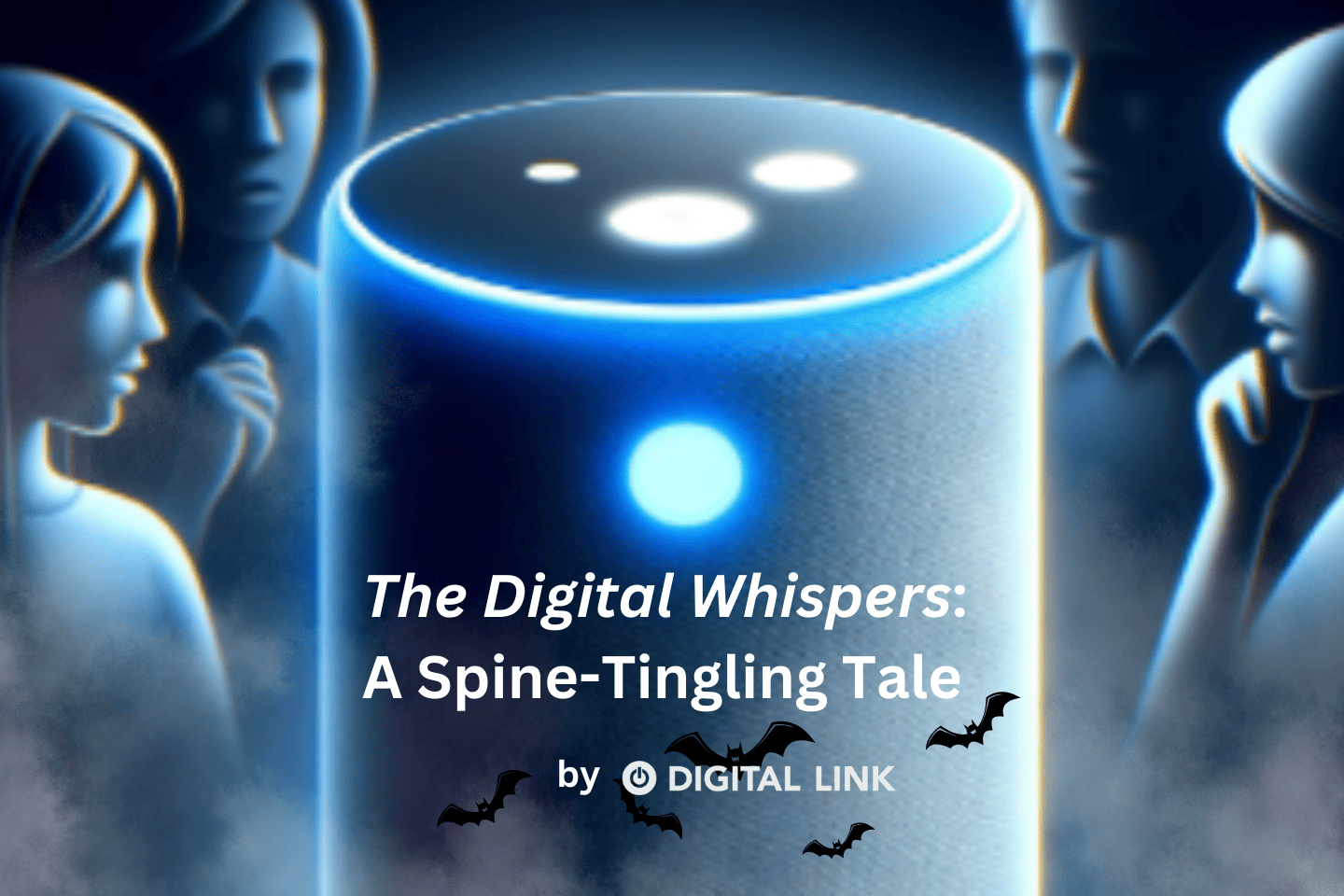
A man sits in a dimly lit apartment in Tehran. The blue light of a smartphone screen reflects in his eyes, illuminating a map of a city he no longer recognizes. Outside, the air is thick with the scent of diesel and the weight of things left unsaid. He isn't looking for news or scrolling through social media. He is looking for a way out—or perhaps, a way to stay and make it count.
He opens Telegram. He searches for a specific channel. He finds a set of instructions written in clean, clinical Farsi. This is not a radicalization cell or a black-market exchange. It is an invitation from the Central Intelligence Agency.
In Langley, Virginia, the calculus of espionage has shifted. The era of the "dead drop"—a hollowed-out stone in a park or a brush pass on a crowded subway—has been supplemented by the dark web and encrypted tunnels. The CIA is now openly recruiting informants across Iran, China, and North Korea, using social media to bypass the iron-fisted surveillance of autocratic regimes. They aren't just looking for James Bond. They are looking for the mid-level bureaucrat who is tired of the corruption, the scientist who fears for the future, and the citizen who believes their country deserves better than a shadow war.
The Mechanics of a Digital Defiance
The shift is as much about logistics as it is about psychology. Historically, the greatest barrier to human intelligence (HUMINT) was the "initial approach." How does a potential asset contact a foreign power without being caught by the secret police? In the 1980s, you might have risked a walk-in at an embassy, knowing the local guards were likely filming every face that crossed the threshold.
Today, that barrier is a VPN.
The CIA’s instructions are precise. They don't want you to send a standard email or a DM on X. They want you to use the Onion Router (Tor), a network that bounces your signal through three different layers of encryption, making it nearly impossible for local ISPs to see where you are going. It is a digital maze.
Once inside, the user accesses a "dark web" version of the CIA’s official site. No trail. No cookies. No digital fingerprints left on the family computer. This is the new frontier of the "stay-behind" asset. It allows a person to live their normal life—buying groceries, attending meetings, picking up their children—while maintaining a direct, secure line to an intelligence officer thousands of miles away.
The Human Cost of Silence
Consider a hypothetical woman named Azar. She works in a logistics office for a state-run shipping firm. She sees manifests for "medical supplies" that are actually components for centrifuges. She sees the wealth of her nation being diverted into projects that bring no bread to the table of her neighbors.
For Azar, the decision to reach out isn't about money. The CIA knows this. While their recruitment videos mention the possibility of compensation, the real hook is agency. In a system where the individual feels like a gear in a grinding, indifferent machine, the act of sharing a secret is a reclamation of power. It is an assertion that her eyes see the truth, and her hands can change the narrative.
But the fear is visceral. It is a cold stone in the pit of the stomach.
The Iranian Ministry of Intelligence is not incompetent. They monitor internet traffic patterns. They look for the "shiver" in the data—the moment a user switches to a high-encryption protocol for no apparent reason. This is why the CIA’s instructions include mundane advice: don't do this from home, don't do it from work, and for heaven's sake, don't tell your spouse. Espionage is the loneliest profession because the moment you share the burden, you double the danger.
Why Now?
The timing of this overt campaign is no accident. We are living through a period of profound global instability. The cracks in the facades of various regimes are widening, often due to internal economic pressures and the friction of generational change.
When the CIA puts out a call in Farsi, Mandarin, and Korean, they are exploiting a specific kind of "intellectual friction." People are more likely to betray a system when they feel that system has already betrayed them. The agency is betting that there are thousands of people who are exhausted by the status quo.
This isn't just about stealing blueprints. It’s about understanding intent. Satellites can show us where a missile is being moved, but they can’t tell us what the general moving it is thinking. They can’t tell us if the staff at a research facility are demoralized or if a political faction is preparing for a coup. For that, you need a human. You need a voice.
The Risks of the Virtual Handshake
The danger for the CIA is the "noise." By opening the doors to everyone, they invite fabricators, double agents, and the mentally unstable. Sorting through the deluge of data requires a massive commitment of resources. For every genuine Azar, there are a hundred people looking for a payday or a ticket to a green card that may never materialize.
Yet, the agency is willing to pay that price. The intelligence "yield" from a single well-placed source can prevent a conflict or provide the diplomatic leverage needed to end one.
The technology makes it easier to talk, but it doesn't make the consequences any less final. In countries like Iran, the penalty for "cooperation with a hostile state" is often a short trial and a long rope. The CIA’s digital outreach is a lifeline, but it is a lifeline made of glass. It is beautiful, transparent, and incredibly fragile.
The man in the Tehran apartment stares at the screen. He has the information. He has the tool. He knows that if he clicks "send," his life changes forever. He will become a ghost in his own home. He will walk the streets knowing secrets that could burn the buildings around him.
He looks at his hands. They are steady.
The blue light fades as he puts the phone away. He doesn't click today. Maybe tomorrow. Or the day after. But the seed is planted. The CIA isn't just waiting for him in an alleyway anymore. They are in his pocket. They are waiting for the moment his frustration outweighs his fear.
In the silent war of information, the most powerful weapon isn't a code or a drone. It is the quiet realization that you are no longer alone in your dissent. The whispers have a destination now. And in the corridors of Langley, the ears are wide open, waiting for the first crack in the silence.

)