The fluorescent lights of a university library at 2:00 AM have a specific, humming cruelty. They don’t just illuminate the pages of a textbook; they expose the bags under eyes and the empty coffee cups that represent a student's last three dollars. For thousands of students across Ontario, those lights have started to feel like the countdown clock on a ticking bomb.
When the provincial government announced sweeping changes to the Ontario Student Assistance Program (OSAP), the shift wasn't just a collection of numbers on a ledger. It was a fundamental rewriting of the social contract. The "free tuition" model for low-income students—a pillar of the previous administration—was dismantled, replaced by a system that leans heavily on loans rather than grants.
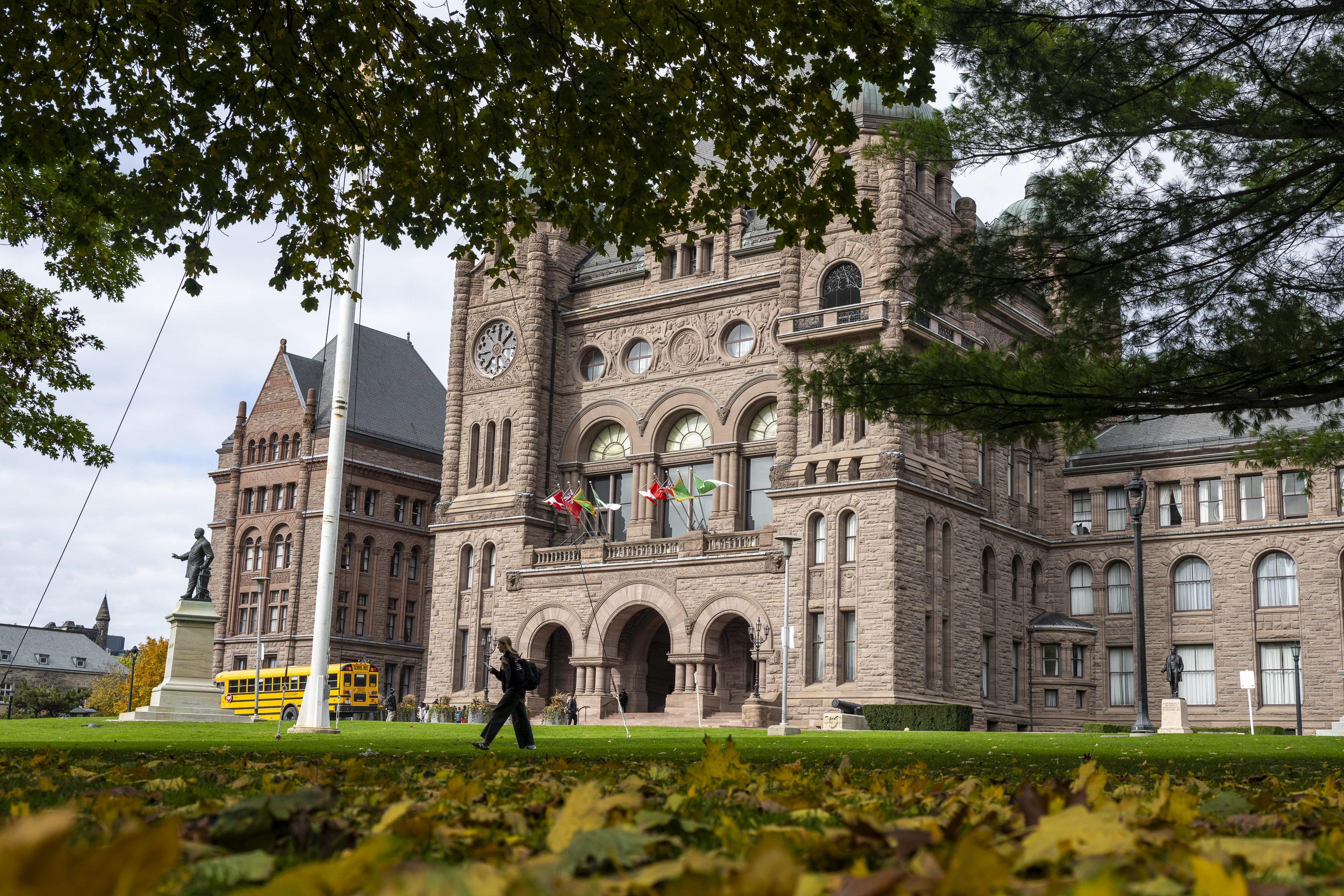
Consider Sarah. She isn’t a real person, but she is a composite of the dozens of students standing in the cold outside Queen’s Park. Sarah is the first in her family to attend university. Her parents work hourly jobs that don't offer dental insurance, let alone a college fund. Under the old rules, Sarah’s tuition was largely covered by non-repayable grants. She was the success story the province wanted. Now, Sarah is looking at a balance sheet that suggests her degree will come with a mortgage-sized debt before she even has a career to pay it off.
The math changed overnight.
The Calculus of Anxiety
The provincial government’s logic was rooted in fiscal responsibility. They pointed to a "structural deficit" and argued that the previous system was unsustainable, ballooning in cost beyond what the taxpayers could bear. They reduced tuition fees by 10 percent across the board, a move framed as a victory for affordability.
But the victory was hollow for those at the bottom.
A 10 percent reduction in tuition is a welcome break for a student whose parents can write a check for the remaining 90 percent. For Sarah, that small discount is eclipsed by the loss of thousands of dollars in grants that have now been converted into loans. The government also eliminated the six-month grace period on interest for student loans. This means the meter starts running the second a student walks across the stage with their diploma.
Debt is a psychological weight. It changes how a person breathes. It dictates which majors are "safe" and which passions are "luxuries." When you are staring down a $40,000 hole, you don't study philosophy; you study whatever you think will keep the debt collectors from calling your mother’s house.
A Movement Born in the Cold
Anger is a powerful fuel, but it’s the quiet desperation that actually gets people into the streets. The demonstrations planned across Ontario campuses aren't just about "free money." They are about the terrifying realization that the ladder is being pulled up while people are still on the middle rungs.
The organizers of these protests are often accused of being entitled. Critics argue that previous generations worked their way through school. They talk about summer jobs at the mill or the grocery store that paid for a year of tuition.
That world no longer exists.
In 1975, a student could work a minimum-wage summer job and cover their tuition, books, and rent. Today, that same student would need to work nearly 2,000 hours at minimum wage—essentially a full-time job for an entire year—just to cover the tuition and fees at a top-tier Ontario university. The math doesn't work. The "bootstrap" narrative has become a ghost story we tell to avoid looking at the reality of modern inflation.
The Invisible Stakes
If the goal is a "prosperous Ontario," we have to ask what kind of prosperity we are building. A workforce shackled by debt is a workforce that cannot take risks. These students won't be starting small businesses in their twenties. They won't be buying houses. They will be funneling their entry-level salaries into interest payments that barely touch the principal.
The demonstration at the legislature is an attempt to make this invisible math visible. It is a demand for the government to see the faces behind the spreadsheets. When the grant-to-loan ratio shifts, it isn't just a policy tweak. It is a decision about who belongs in a classroom and who belongs in the service industry.
There is a specific kind of dignity in the "non-traditional student"—the parent going back to school, the immigrant retraining for a local license, the kid from a Northern town trying to break a cycle of poverty. These are the people OSAP was designed to protect. These are the people who feel the sharpest edge of the new blade.
The government’s stance remains firm: the province is broke, and everyone must tighten their belts. But for a student living on instant noodles and hope, there are no more notches left in the belt.
The Sound of One Thousand Boots
Standing on the pavement outside the legislative building, the air is thin and biting. You can hear the rhythmic chant of voices that haven't yet been tired out by the corporate grind. It’s easy to dismiss them as young and naive. It’s harder to look at their spreadsheets and tell them they are wrong.
The stakes are higher than a semester's tuition. We are deciding if education is a public good—an investment that pays dividends in a smarter, more capable society—or if it is a private luxury, a product to be purchased by those who can afford the interest rates.
The students are marching because they realize that once a right becomes a privilege, it rarely changes back. They are fighting for the Sarahs who haven't even applied yet. They are fighting for the idea that a mind shouldn't be wasted just because a bank account is empty.
As the sun sets over the stone facade of Queen’s Park, the protesters don't look like radicals. They look like people who have done the reading, checked the footnotes, and realized the bill is one they can never hope to pay.
The lights in the library will stay on tonight. But for many, the path to get there is becoming a narrow, crumbling bridge over an abyss of interest. Whether the government hears the shouting through the thick stone walls is yet to be seen, but the silence that follows will be the most expensive thing this province ever bought.
A degree should be a key, not a shackle.
Would you like me to analyze the specific economic impact of the interest rate changes on a typical four-year degree under these new OSAP guidelines?


