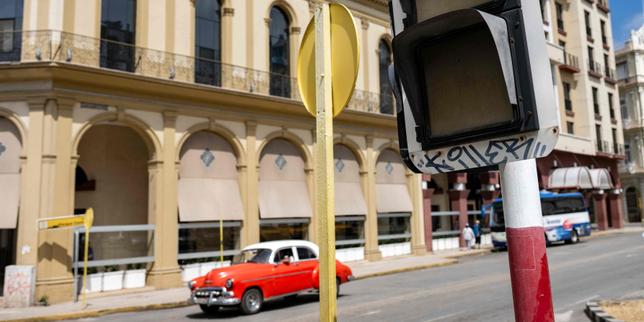
The humidity in Nashville doesn’t just sit on your skin; it anchors you to the pavement. On a Tuesday afternoon in July, the air feels like a wet wool blanket, and the line of brake lights stretching down Broadway looks less like a city and more like a parking lot that forgot its purpose. Drivers lean on their steering wheels, staring at the bumper in front of them, breathing in the metallic tang of exhaust. We are a city of songwriters and dreamers, but mostly, we are a city of people sitting very still in very expensive metal boxes.
Then comes the promise of the tunnel.
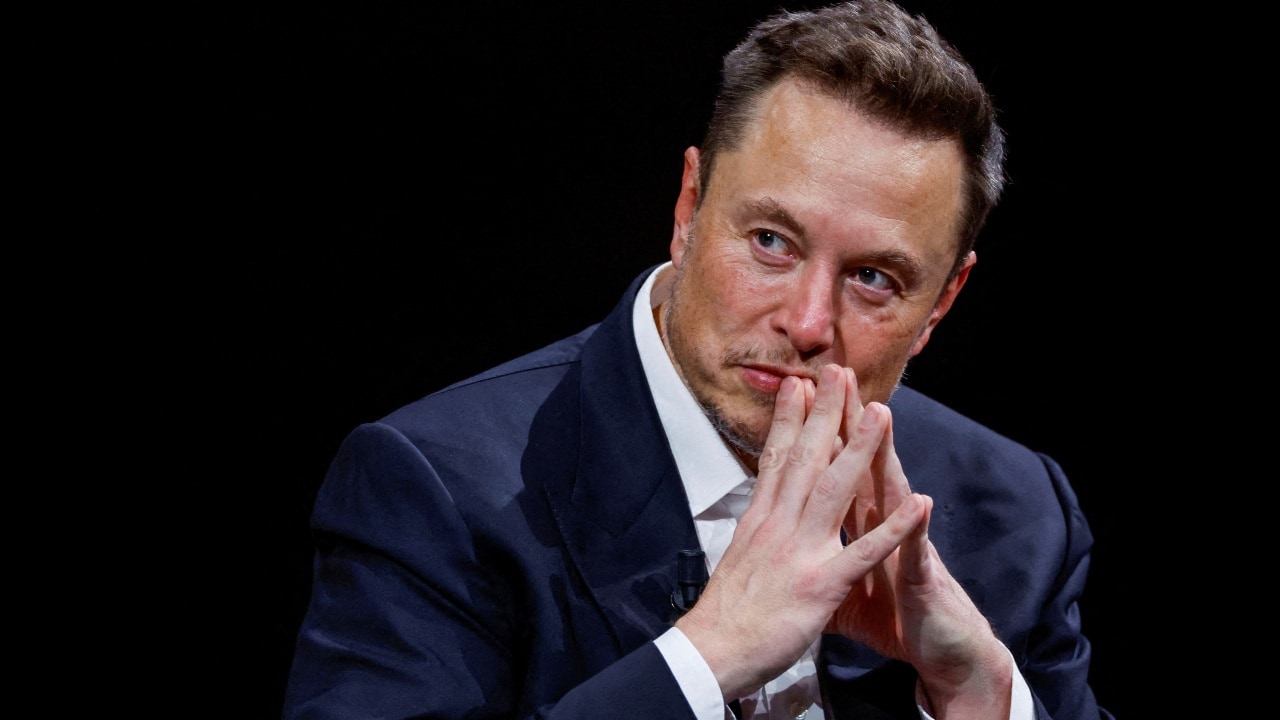
It sounds like science fiction whispered into the ear of a desperate commuter. A subterranean bypass, a "Loop" where modified Teslas whisk you beneath the gridlock at speeds that make the surface world look like a slow-motion film. It is the brainchild of Elon Musk’s Boring Company, a pitch that has already found footing in the neon soil of Las Vegas. But as the proposal reached the mahogany desks of the Nashville Metro Council, the dream of a frictionless future hit a wall of Southern skepticism.
The Siren Song of the Boring Machine
To understand why a city would even consider digging up its history to make room for a billionaire’s tubes, you have to look at the math of human misery. Nashville is growing. It isn't just expanding; it is bursting. For every new glass tower that scrapes the sky, ten thousand more tires hit the asphalt. Traditional transit—light rail, expanded bus lanes, commuter trains—is expensive, politically toxic, and takes decades to build.
The Boring Company offers a shortcut. Not just a physical one, but a financial and temporal one. They claim they can dig faster and cheaper than any government agency. They promise a "seamless" transition from the chaos of the surface to the sterilized white light of the tunnel.
Imagine a nurse named Sarah. She’s worked a twelve-hour shift at Vanderbilt. Her feet ache. The thought of the forty-minute crawl back to her apartment in East Nashville feels like a second job. In the world of the Loop, she drives her car onto a futuristic elevator, sinks into the earth, and zips across the city in six minutes. No red lights. No pedestrians. No reality.
It is an intoxicating vision. It is also, according to a growing chorus of local leaders, a distraction.
The Great Nashville Filter
When the Metro Council began to peel back the layers of the proposal, the "human-centric" narrative provided by the developers started to fray at the edges. The opposition wasn't born from a hatred of technology, but from a weary understanding of how cities actually breathe.
Council members pointed to a glaring, uncomfortable truth: a tunnel filled with Teslas is still just a road. It is a road with a roof.
If you take a hundred people and put them in a bus, you occupy the space of one vehicle. If you take those same hundred people and put them in thirty-five private cars, you have created a choreographed disaster. The "Loop" doesn't solve traffic; it moves it. It is a high-tech straw trying to drain an ocean. Critics argued that by the time Sarah gets to the tunnel entrance, she’s stuck in a "bottleneck" of other people trying to reach the same elevator. The friction hasn't disappeared. It has just moved to the lobby.
The Ghost of Infrastructure Past
There is a weight to the soil in Tennessee. It is limestone and history. When you talk about massive infrastructure projects in a city like Nashville, you aren't just talking about dirt; you’re talking about neighborhoods.
In the 1960s, the construction of the interstate system tore through the heart of Nashville’s Black communities, specifically North Nashville. It left scars that haven't healed—severed streets, displaced families, and a legacy of "progress" that only served those who were passing through, not those who lived there.
The Metro Council’s hesitation is rooted in this memory. Who is the tunnel for? If the price of a ticket or the requirement of a specific vehicle brand creates a gated community at thirty feet below sea level, then it isn't public transit. It’s a VIP lane for the digital age.
"We don't need more ways for some people to bypass the rest of us," one resident noted during a public forum. The sentiment echoed through the council chambers. There is a fear that by chasing the shiny object of a "Tesla Loop," the city will starve the boring, essential projects that actually work: sidewalks, bike lanes, and a bus system that doesn't make you feel like a second-class citizen for using it.
The Physics of Skepticism
There is a specific kind of silence that follows a presentation by a tech visionary. It’s the silence of people realization that the laws of physics are indifferent to a marketing deck.
The Boring Company’s primary claim is that they have revolutionized tunneling speed. They haven't. Not yet. While they have made incremental gains in how machines handle muck and how they install tunnel liners, the fundamental reality of moving thousands of tons of earth remains a slow, grinding process.
In Nashville, that earth is predominantly solid rock.
Digging through Nashville’s limestone isn't like digging through the soft sands of Nevada. It requires immense energy, produces staggering amounts of noise, and carries the risk of disrupting the delicate water tables that feed the Cumberland River. The Council looked at the "cold facts" and saw a massive risk with a narrow reward. They saw a project that could potentially bankrupt local contractors or leave the city with a series of expensive, half-finished holes if the private funding ever dried up.
The Invisible Stakes
We often frame these debates as "Innovation vs. Tradition." It’s a convenient binary, but it’s a lie. The real conflict is between "Spectacle" and "Utility."
The Loop is a spectacle. It is a sleek, LED-lit fever dream that looks great on Instagram. It promises a future where we don't have to solve the problems of living together because we can simply tunnel underneath them. It suggests that the solution to a broken society is more technology, rather than better policy.
Utility, on the other hand, is quiet. It is a bus that arrives every ten minutes. It is a crosswalk where a child can walk to school without fear. It is a city that invests in the common ground we all share, rather than the private tubes we might one day rent.
The Nashville Metro Council’s opposition isn't a "no" to the future. It is a "not like this" to a specific version of it. They are choosing to look at the person standing on the corner in the rain, waiting for a bus that’s fifteen minutes late, and deciding that her dignity matters more than a billionaire’s experiment.
As the sun sets over the Nashville skyline, the cranes are still moving. The city is still growing. The traffic on I-40 remains a sluggish, angry beast. The dream of the tunnel hasn't died; it has simply been asked to prove itself against the reality of a city that has been burned by "progress" before.
We are still waiting for a way out of the heat and the exhaust. But for now, the residents of Nashville seem content to stay on the surface, keeping their eyes on the road and their feet on the ground, waiting for a solution that carries everyone along with it, not just those with the right car and a seat in the light.
The neon lights of Broadway flicker to life, reflecting off the hoods of ten thousand idling cars. The air is still thick. The problem remains. But beneath the streets, for now, the limestone remains unbroken, holding the weight of a city that is learning to value its foundations more than its fantasies.