The traditional hawk is becoming an endangered species in the modern Republican party. For decades, the GOP was the undisputed home of interventionism, defined by a "peace through strength" mantra that usually translated to boots on the ground and carrier groups in the Persian Gulf. That era is over. What we are witnessing now is not a minor policy disagreement but a fundamental, identity-shattering collision between the old guard and a rising isolationist wing that views overseas entanglement as a betrayal of the American worker.
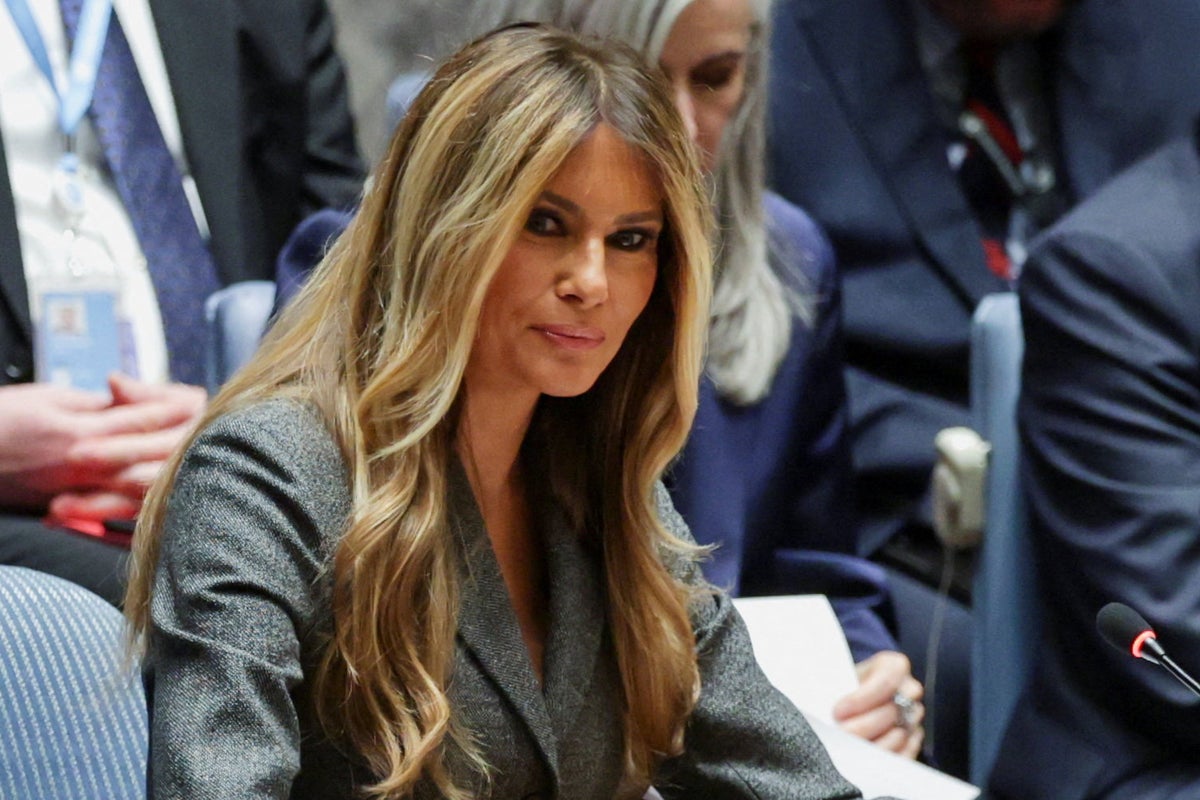
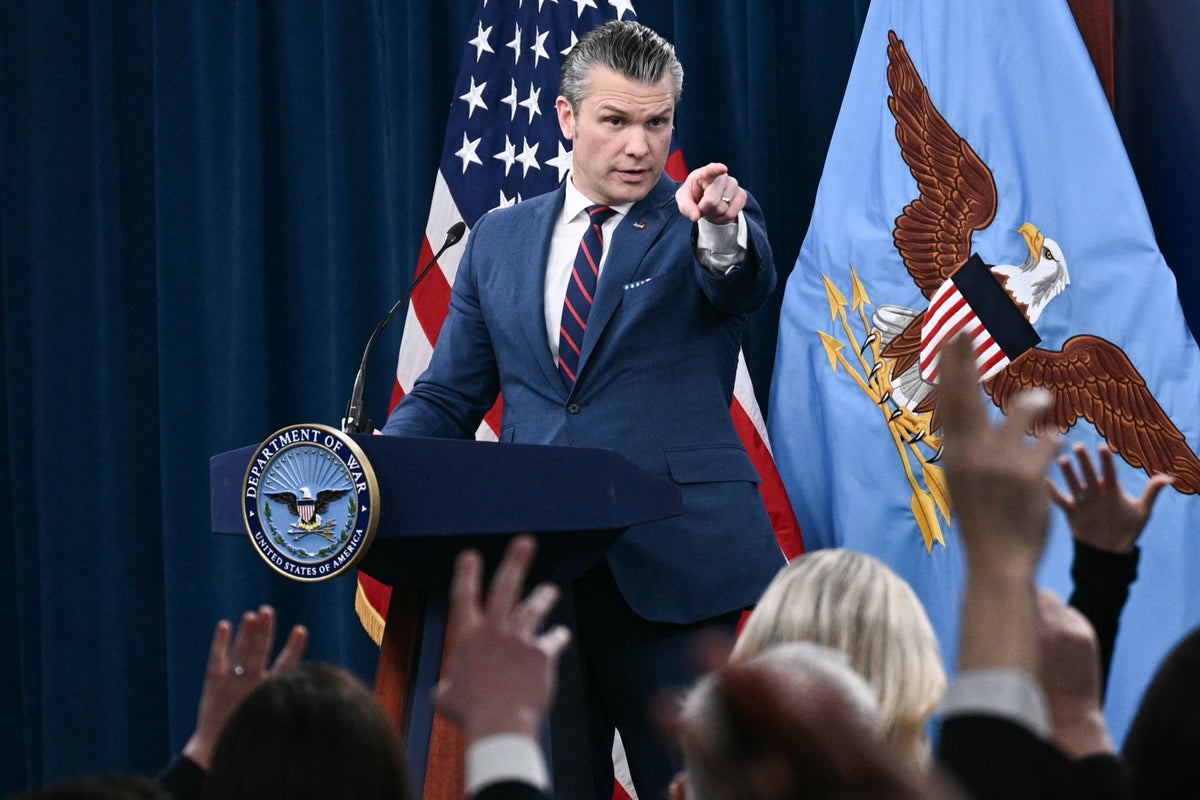
When Secretary of Defense Pete Hegseth attempts to hold the line on Iran, he isn't just fighting a foreign adversary. He is fighting his own base. The backlash led by figures like Marjorie Taylor Greene represents a total rejection of the neoconservative consensus that dominated the party from Reagan through Bush. This is a movement that views the "forever wars" not as strategic errors, but as systemic thefts of national resources.
The Hegseth Gamble and the Neoconservative Ghost
Pete Hegseth was installed to be the bridge between the traditional military establishment and the populist fervor of the MAGA movement. He carries the pedigree of a combat veteran and the polish of a media personality, yet he finds himself in an impossible position. To maintain American hegemony in the Middle East, he must advocate for a stance that his most vocal supporters now find loathsome.
The tension reached a breaking point over recent escalations with Tehran. For the old guard, checking Iranian expansion is a non-negotiable requirement for global stability. For the "America First" wing, any move toward conflict is seen as a "globalist" trap. Hegseth's efforts to frame a hardline stance as a necessary deterrent are falling on deaf ears because the audience has changed. They no longer trust the intelligence community, they no longer trust the Pentagon's cost-benefit analyses, and they certainly do not trust the moral justifications for intervention.
Why the Anti War Right is Winning the Argument
The shift is driven by a simple, brutal calculation of domestic priorities. The populist right has successfully linked foreign intervention to domestic decline. In their narrative, every dollar spent on a drone strike in the Iranian desert is a dollar stolen from border security or infrastructure in the Rust Belt.
Marjorie Taylor Greene has become the avatar for this sentiment. While critics dismiss her rhetoric as "meltdown" behavior, they miss the underlying resonance. She is speaking directly to a constituency that feels burned by twenty years of Middle Eastern conflict that yielded no clear victories and trillions in debt.
- The Trust Gap: The failure to find weapons of mass destruction in Iraq remains a foundational trauma for the GOP base.
- The Economic Trade-off: High inflation and a housing crisis make overseas spending packages politically radioactive.
- The Realist Pivot: A growing number of young conservatives prefer a "fortress America" approach, focusing on internal strength rather than external policing.
This isn't just about isolationism. It is about a deep-seated suspicion that the "Defense Industrial Complex" prioritizes its own profit over the lives of American soldiers. When Hegseth tries to explain the strategic necessity of countering Iran, he is talking about geopolitics to people who are thinking about their grocery bills.
The Fracturing of Conservative Media
The battlefield for this ideological war is not the floor of the House, but the airwaves and social feeds of conservative media. For years, outlets like Fox News were the megaphone for the interventionist wing. That monopoly has vanished.
A new ecosystem of podcasters, streamers, and independent journalists has created an echo chamber where "non-intervention" is the default setting. Hegseth, a product of that very media environment, now finds himself at odds with it. He is attempting to use the tools of the populist right to sell a product—active military deterrence—that the populist right has decided it no longer wants to buy.
This creates a vacuum in leadership. If the Secretary of Defense cannot convince his own party's most loyal followers that a threat is worth addressing, the administration's ability to project power is functionally paralyzed. You cannot fight a war, or even a credible shadow war, without the consent of your base.
Iran as the Ultimate Litmus Test
Iran serves as the perfect catalyst for this explosion because it sits at the intersection of every Republican fault line. To the hawks, Iran is the "head of the snake," the primary financier of instability. To the new isolationists, Iran is a regional problem that should be handled by regional players. They argue that if Europe and Israel are concerned about Iranian hegemony, they should lead the charge, both financially and militarily.
This "burden sharing" argument has evolved into a "burden shedding" movement. The skeptics are asking a question that Hegseth struggled to answer: What is the endgame? If the goal is regime change, the base remembers Libya and Iraq. If the goal is containment, they ask why American taxpayers are the only ones footing the bill.
The "meltdown" on the right isn't a sign of weakness; it’s a sign of a movement finally flexing its muscles against its own leadership. They are no longer content to follow the party line on foreign policy. They want to rewrite it.
The Industrial Consequences of Dissent
Beyond the rhetoric, there are practical implications for the Pentagon. When the populist wing of the GOP turns against military engagement, it directly affects procurement and budgeting. We are seeing a rise in "America First" budgeting, where lawmakers are increasingly skeptical of long-term defense contracts that tie the U.S. into foreign dependencies.
If this trend continues, the U.S. military will find it increasingly difficult to maintain its global footprint. Bases in the Middle East, once seen as essential outposts, are now being viewed by some on the right as "magnets for trouble." Hegseth is essentially trying to manage a company where the shareholders have decided they want to get out of the international shipping business and focus entirely on local delivery.
A Party Without a Center
The Republican party is currently a collection of warring tribes with no shared vision of America's role in the world. On one side, you have the institutionalists who believe that American retreat leads to global chaos. On the other, you have the nationalists who believe that American engagement has caused the very chaos the institutionalists fear.
Hegseth’s "firefighting" efforts are likely to fail because you cannot extinguish an idea with a press release or a televised interview. The idea that America should come home is the most powerful force in conservative politics today. It has survived the presidency of Donald Trump, and it is growing stronger under the pressure of economic uncertainty.
The traditional hawk hasn't just lost the argument. They have lost the audience.
Go to the Pentagon's public budget hearings next month. Watch how many Republicans ask about "return on investment" rather than "lethality." That is where the war is being won.