You’ve seen the headlines. Beijing is suddenly the world’s most eager peacemaker. Ever since the February 28 strikes that took out Iran’s top leadership and sent oil prices into a tailspin, China has been on a diplomatic blitz. Foreign Minister Wang Yi has made 26 phone calls to everyone from Riyadh to Moscow. They’re hosting delegations in Islamabad. They’re issuing five-point peace initiatives with Pakistan.
But don't mistake this for a sudden burst of altruism.
China’s "active efforts" aren't about regional stability for the sake of humanity. It’s about the fact that their gas prices at home jumped 11% in March alone. It’s about the 12% of their crude oil that comes from Iran, much of it now threatened by a blockade in the Strait of Hormuz. When China talks about peace, they’re really talking about their bottom line. They want the shooting to stop so the shipping can start again.
The Business of Peace is Just Business
China is currently Iran’s largest trading partner. That’s not a political statement; it’s a ledger entry. In the Iranian month of Aban 1404 (late 2025), non-oil trade between the two hit $2.54 billion. Iran sends over methanol and polyethylene; China sends back solar panels and car parts.
When the bombs started falling in Tehran, that supply chain didn't just bend—it shattered.
I’ve looked at the data, and it’s clear why Beijing is sweating. They’ve invested billions into Iran as part of a 25-year cooperation agreement. But here's the kicker: for all that "strategic partnership" talk, China hasn't moved a single soldier to protect those investments. They’re happy to buy the oil, but they won’t buy the war.
Beijing’s strategy is simple. They use "soft" mediation—phone calls, envoys like Zhai Jun, and high-level meetings—to look like a responsible global power. It’s a great way to contrast themselves with the U.S., which they've labeled the "aggressor" in this 2026 conflict. Yet, notice what they don't do. They don't offer security guarantees. They don't provide military aid. They basically tell Iran, "We're with you in spirit, but please don't let our oil tankers get hit."
Why the Strait of Hormuz is Beijing's Nightmare
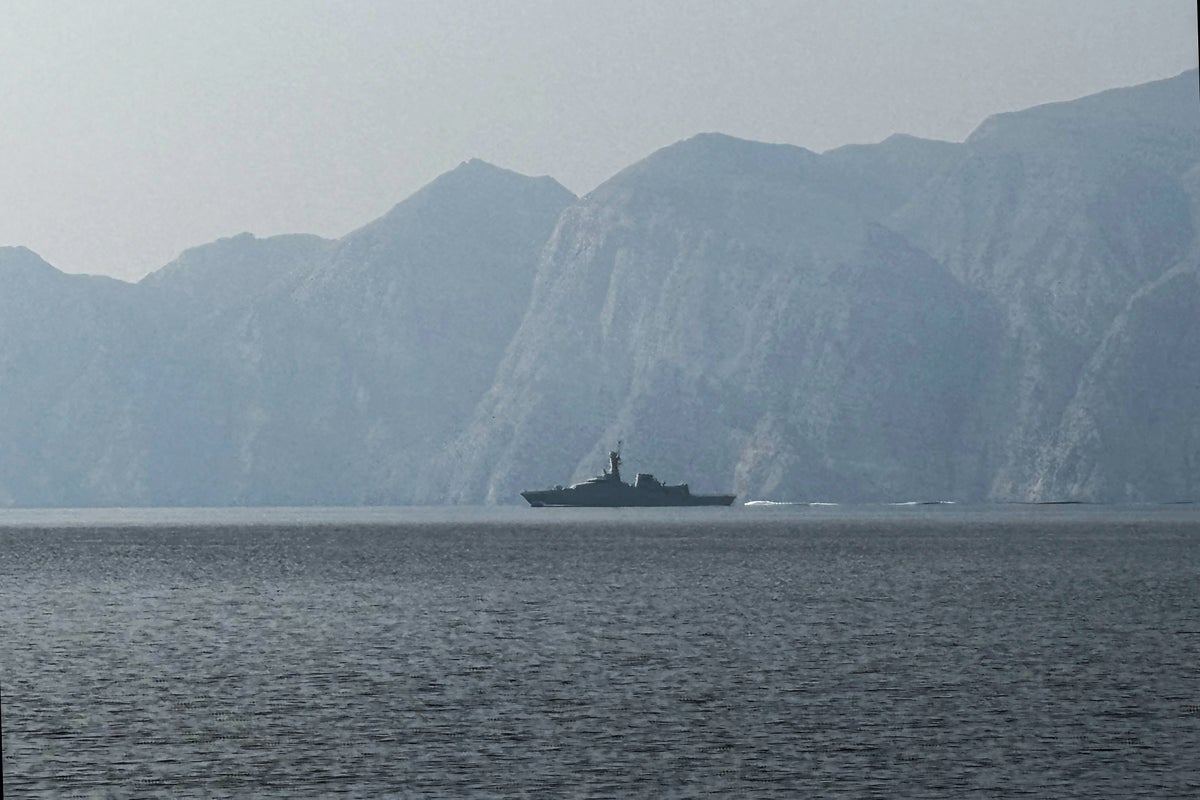
Half of China's oil imports flow through that narrow strip of water. Since the conflict escalated, tankers have been idling off Chinese ports. That’s a massive supply buffer, but it’s not a permanent solution.
If the Strait stays blocked, China’s manufacturing engine stalls. We’re talking about more than just expensive gas at the pump. Industries like refining, chemicals, and heavy manufacturing are facing squeezed profit margins. Even the tech sector is nervous. Why? Because the conflict is messing with Qatari helium supplies, which are vital for chip manufacturing.
Basically, China is a manufacturing giant with an energy addiction. The Middle East is the dealer. When the dealer’s house is on fire, the giant gets very, very nervous.
The Trump Factor and the Islamabad Meeting
It’s interesting to see the shift in tone this week. Even Donald Trump, not exactly a fan of Beijing, credited China for helping push Iran toward the negotiating table. The two-week ceasefire starting today, April 10, 2026, in Islamabad is a massive test for Chinese diplomacy.
Wang Yi and the Pakistani government have been working overtime to get Iran’s Speaker, Mohammad Baqer Qalibaf, in the same room as U.S. Vice President JD Vance. China needs this deal to stick. They need it so badly they’ve even sidelined some of their usual "anti-Western" rhetoric to ensure the U.S. stays at the table.
But let’s be real about the power dynamic here. China has "influence" because they’re the only ones still buying what Iran is selling. If Beijing closes the checkbook, Iran’s economy collapses overnight. That’s a big stick, but China is hesitant to use it. They’d rather use the carrot of future investment to keep Tehran in line.
What Most People Get Wrong About China’s Role
Most analysts think China is trying to replace the U.S. as the Middle East's policeman. They aren't. Being a policeman is expensive, dangerous, and thankless.
China wants the benefits of being a superpower—the respect, the trade deals, the resource access—without the costs of being a security provider. This conflict has exposed that gap. When Iran asked for more than just "objective and just" rhetoric, Beijing stayed silent. They’re happy to mediate, but they aren’t going to fight.
This is "selective neutrality" at its finest. It allows them to maintain ties with everyone—Israel, Iran, the Gulf States—without getting "entangled." It’s a masterclass in masterly inactivity.
What You Should Watch Next
If you're tracking how this affects global markets or your own business interests, keep your eye on these three things:
- The Power of Siberia 2 Pipeline: Watch how fast China moves on this Russian project. The more nervous they get about Middle East oil, the faster they’ll pivot to overland Russian gas.
- Shipping Insurance Premiums: If these don't drop during the two-week ceasefire, it means the "peace" is a sham.
- The Islamabad Protocol: If a broader agreement isn't reached by the end of this two-week window, expect China to get a lot louder and a lot more desperate in its rhetoric.
Stop waiting for China to act like a traditional superpower. They’re acting like a global CEO. Their primary interest isn't the map of the Middle East—it’s the balance sheet of the 15th Five-Year Plan.
If you're importing or exporting goods through the Gulf, don't rely on Beijing for security. They’ll talk a big game about "enduring peace," but their real priority is keeping the factory lights on in Shenzhen. Prepare for continued volatility. Hedging your energy costs isn't just a good idea; it's a necessity for the rest of 2026.