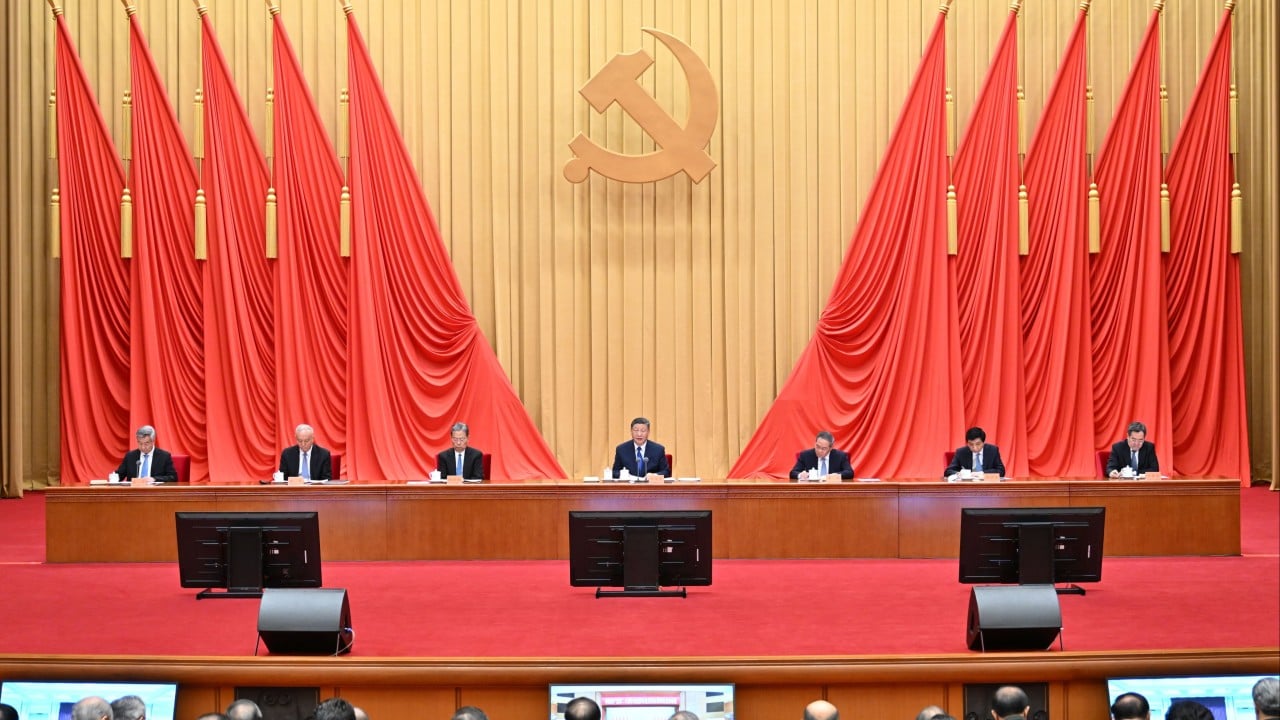
Beijing isn't chasing ghosts anymore. For years, the world watched China's leadership obsess over "around 5%" GDP targets like they were sacred scripture. But the recent Politburo meeting chaired by Xi Jinping just sent a signal that the era of blind expansion is officially in the rearview mirror. As we head into the 2026 "Two Sessions" in March, the message isn't about a massive stimulus splash. It's about surgical precision.
If you're waiting for a "bazooka" stimulus package to save the day, you're looking at the wrong map. The Politburo's recent discussions on the 15th Five-Year Plan (2026-2030) and the draft Government Work Report reveal a leadership that’s increasingly comfortable with slower, "high-quality" growth. They're trading the sugar high of infrastructure debt for the long game of technological self-reliance.
The Growth Target Reality Check
The big number everyone tracks is the GDP target. While 2025 hit the 5.0% mark, the buzz on the ground suggests a shift to a 4.5% to 5.0% range for 2026. This isn't a failure. It's a choice.
Look at the provinces. Out of 31 regions, 21 have already dialed back their local targets. Even Guangdong, the country's manufacturing engine, has softened its stance. When the heavy hitters start lowering expectations, it's a sign that Beijing is giving them permission to stop faking the numbers through useless construction and start focusing on real efficiency.
It’s about "new quality productive forces." That's the term Xi keeps hammering home. In plain English, it means they want growth to come from labs and high-tech factories, not from another empty apartment complex in a third-tier city.
A More Proactive But Disciplined Fiscal Stance
The Politburo called for a "more proactive" fiscal policy and "moderately loose" monetary policy. On the surface, that sounds like they're ready to spend. But if you look at the plumbing, the strategy is very specific.
- Deficit Management: Most analysts expect the fiscal deficit to hover around 4% of GDP. That’s supportive, but hardly reckless.
- Targeted Liquidity: Don't expect broad-based rate cuts to flood the entire market. Instead, expect the People's Bank of China to use "surgical" tools—cheaper loans specifically for green energy, AI, and advanced manufacturing.
- The Debt Pivot: They’re shifting the burden of borrowing. Instead of local governments racking up "hidden debt," the central government is stepping in with ultra-long-term special treasury bonds. It’s cleaner, safer, and cheaper.
Honestly, the leadership is tired of cleaning up local government messes. By centralizing the debt issuance, they're trying to keep the wheels turning without letting the local bosses drive the economy off a cliff again.
Why Consumption Is Still The Hardest Nut To Crack
Beijing knows it can't rely on exports forever, especially with trade tensions with the West showing no signs of cooling. The Politburo readout emphasized "building a robust domestic market" and "stabilizing expectations."
But here’s the problem: you can’t force people to spend if they’re worried about their jobs or their crashing apartment values. The property sector is still a drag, and it's likely to stay that way through 2026. Goldman Sachs estimates the property drag will narrow, but it’s still a multi-year hangover.
To fix this, expect the Two Sessions to detail more "people-centered" policies. We're talking about:
- Better unemployment insurance and social safety nets.
- Subsidies for "trade-ins" on cars and appliances.
- Support for "silver economy" services for the aging population.
If they don't fix the confidence gap, all the "proactive" policy in the world will just end up sitting in bank accounts as "precautionary savings."
The 15th Five-Year Plan Is The Real Story
The Two Sessions starting March 4 aren't just about the next twelve months. They're the official launchpad for the 15th Five-Year Plan. This is the roadmap for the rest of the decade.
The focus is clearly on "security." Food security, energy security, and—most importantly—tech security. The Politburo is obsessed with avoiding a situation where a US chip ban or a maritime blockade can cripple the country. That's why "self-reliance in science and technology" was a top-tier bullet point in the latest meeting.
They aren't just building a bigger economy; they're building a more "un-killable" one. This means massive investment in domestic semiconductor lithography, aerospace, and robotics. If it helps China stand alone, it gets funded. If it's just "nice to have," it's on the chopping block.
What This Means For Your Strategy
If you're an investor or a business leader, stop looking for the old China playbook. The days of 8% growth and "build it and they will come" are dead.
Watch the Government Work Report on March 5 for the specific wording on the property sector. If the tone remains "houses are for living, not for speculation," then the real estate chill continues. If they announce a massive, central-government-funded buyback of unsold inventory, then you know they've finally hit the panic button.
Keep a close eye on the "New Growth Drivers" section. This is where the money will flow. If you're in green tech, AI-driven manufacturing, or high-end healthcare, you're in the sweet spot. If you're tied to traditional luxury or mid-market retail, you're in for a grind as the "silver influencers" and a cautious middle class redefine what value looks like in the new China.
Get ready for a year of "steady progress" that feels more like a structural overhaul than a recovery. It's not as exciting as a boom, but for the long-term health of the world's second-largest economy, it's probably what needs to happen.