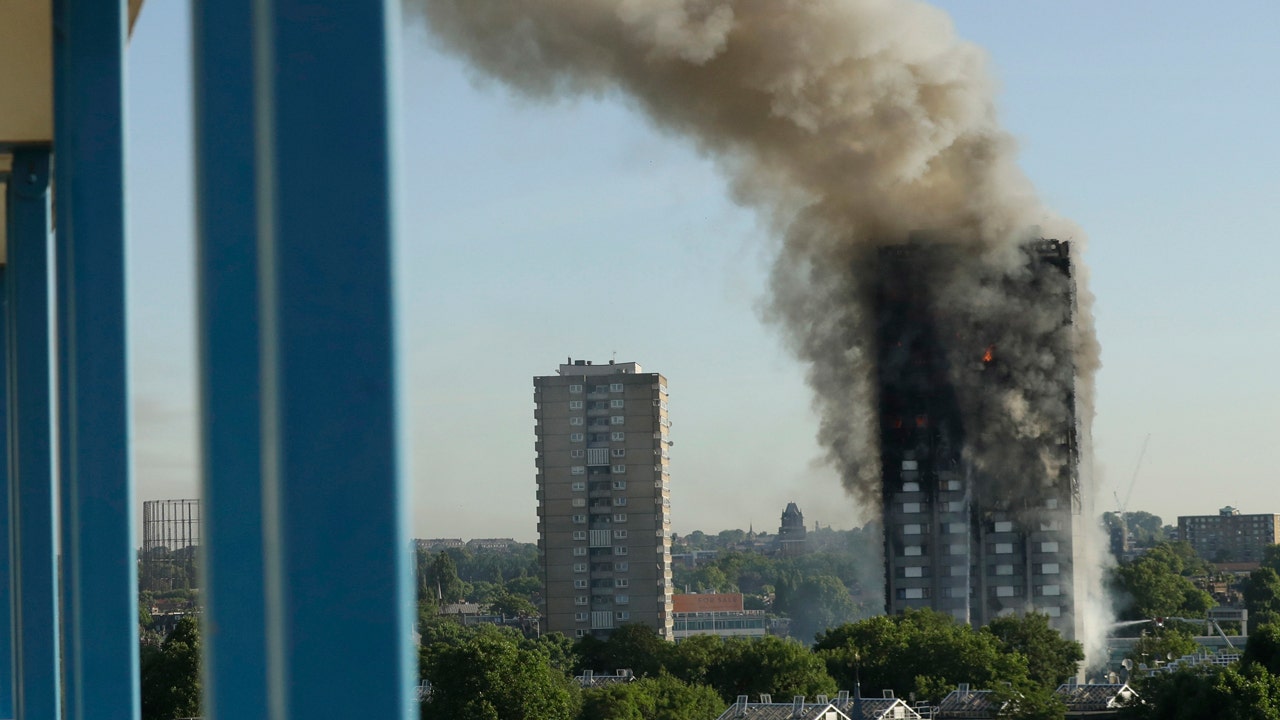
The initial shock of the February 28 strikes has settled into a grim, grinding reality. After four days of sustained aerial bombardment by the United States and Israel, the Iranian Red Crescent now confirms at least 787 fatalities within Iran. This figure is almost certainly a conservative floor. With internet blackouts strangling the flow of information from 130 targeted cities, the true human cost of the campaign to decapitate the Islamic Republic remains buried under the rubble of command centers and nuclear facilities.
Washington and Tel Aviv achieved their primary "high-value" objective within hours: the death of Supreme Leader Ali Khamenei. Yet the expected collapse of the Iranian state has not materialized. Instead, the region has plunged into a multi-front escalation that has already claimed the lives of six American service members and at least 11 Israelis.
The High Cost of Decapitation
The strategy was simple in theory but devastating in execution. By utilizing intelligence gathered over months, the CIA and Mossad pinpointed Khamenei’s location, ending his 37-year reign in a single strike. However, the vacuum has been filled not by democratic reformers, but by a "radical core" of the IRGC that appears more than prepared for an asymmetric war of attrition.
The casualty list is no longer limited to the primary combatants. The ripple effect has touched nine countries.
- Lebanon: 52 dead as Israel targets Hezbollah infrastructure in the south.
- Kuwait: 6 Americans killed and 2 Kuwaiti naval personnel lost, including a tragic "friendly fire" incident where Kuwaiti air defenses downed three US F-15E Strike Eagles.
- UAE and Bahrain: Fatalities reported from interceptor debris and direct drone strikes on US Fifth Fleet assets.
Precision Versus Reality on the Ground
While the Pentagon highlights the use of B-2 stealth bombers and 2,000-pound precision munitions to "degrade" Iranian nuclear and missile sites, the distinction between military and civilian targets is blurring. In the southern city of Minab, a strike on a school reportedly killed 150 children. The UN has already labeled the incident a "grave violation of humanitarian law."
The Iranian response has been equally indiscriminate. By launching over 550 ballistic missiles and 1,000 suicide drones, Tehran has signaled that it will not go down without attempting to take the regional economy with it. The temporary closure of the Ras Tanura refinery in Saudi Arabia and the sinking of the oil carrier Skylight near the Strait of Hormuz have sent global energy markets into a frenzy.
The Casualties of the "Twelve Day War" Legacy
To understand the current scale, one must look at the "Twelve-Day War" of 2025. That conflict saw nearly 1,200 Iranians killed and dozens of Israelis lost. The 2026 campaign is pacing to exceed those numbers within its first week. Unlike previous skirmishes, the current offensive targets the very survival of the Iranian regime, which has responded by deploying advanced Fattah-2 hypersonic missiles against US bases in Qatar and the UAE.
The Information Blackout and Missing Data
Reliable data is the first casualty in a war of this magnitude. Inside Iran, the government has reinstated a total internet blackout, a tactic used during the January 2026 protests where independent monitors like HRANA estimated up to 36,500 people were killed in a 48-hour domestic crackdown.
Current death tolls are being funneled through three main channels, each with its own bias:
- The Iranian Red Crescent: Reports 787 dead, likely focusing on recovered bodies in urban centers.
- The IRGC: Claims over 1,000 "martyrs," often inflating numbers to stoke nationalist fervor.
- Human Rights Groups: Fear that the numbers in remote missile silos and underground enrichment sites like Fordow and Natanz may never be fully known.
The Regional Spillover
This is no longer a localized conflict. The US State Department has begun evacuating non-essential personnel from six nations, including the UAE and Qatar. For the first time, the "safe corners" of the Gulf are under direct fire. The debris of intercepted missiles is falling on residential areas in Abu Dhabi, while the British RAF is flying sorties from Cyprus to intercept drones targeting sovereign bases.
The "why" behind this escalation is a failure of diplomacy in early February. When negotiations over enrichment levels collapsed, the transition to "Operation Epic Fury" was instantaneous. The US administration under Donald Trump has signaled a commitment to a "four to five-week" campaign, but the reality on the ground suggests a much longer, bloodier stalemate.
Iran's "forward defense" network—the militias in Iraq, Syria, and Yemen—has yet to be fully activated. If the IRGC leadership feels the "existential" threat is absolute, the current death toll of 800 may look like a statistical footnote by the end of the month.
The military objective of "regime change" is currently meeting the immovable object of a deeply embedded, radicalized security apparatus. As the bombs continue to fall on Tehran and the missiles continue to arc toward Tel Aviv, the only certainty is that the official factboxes are lagging far behind the mounting piles of the dead.
Check the status of your local embassy or consulate if you are currently residing in the Gulf Cooperation Council region.