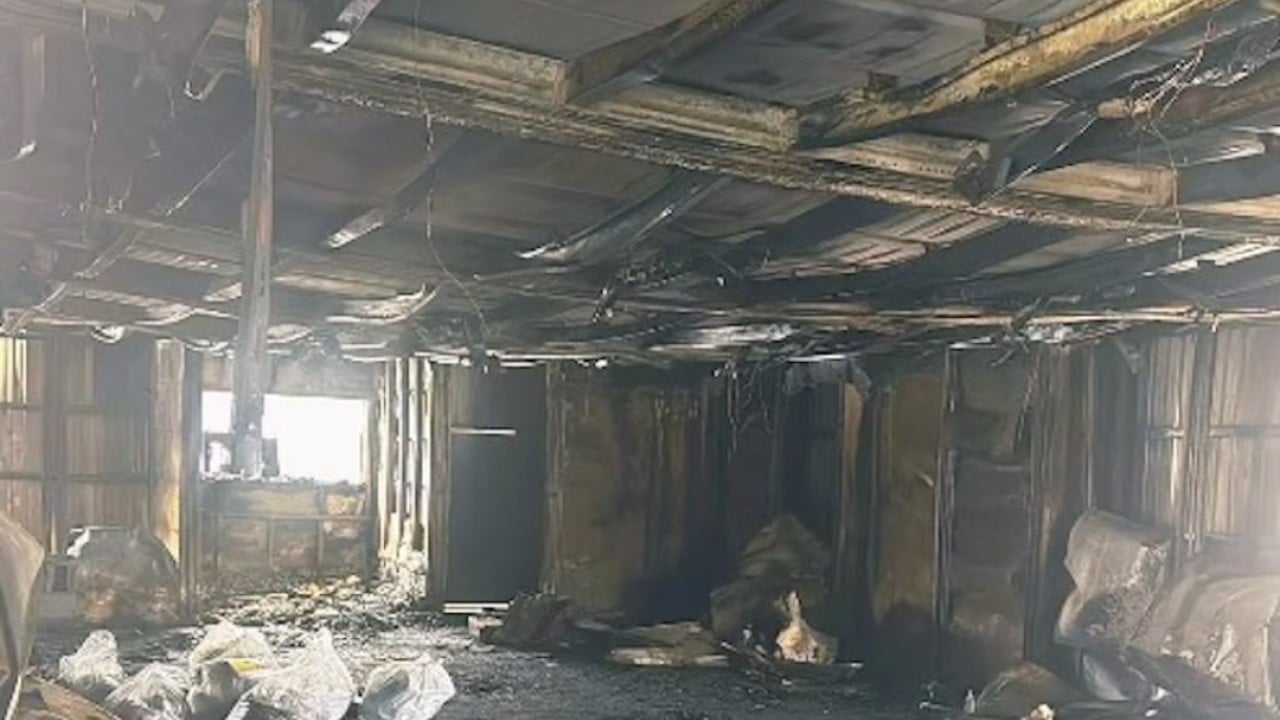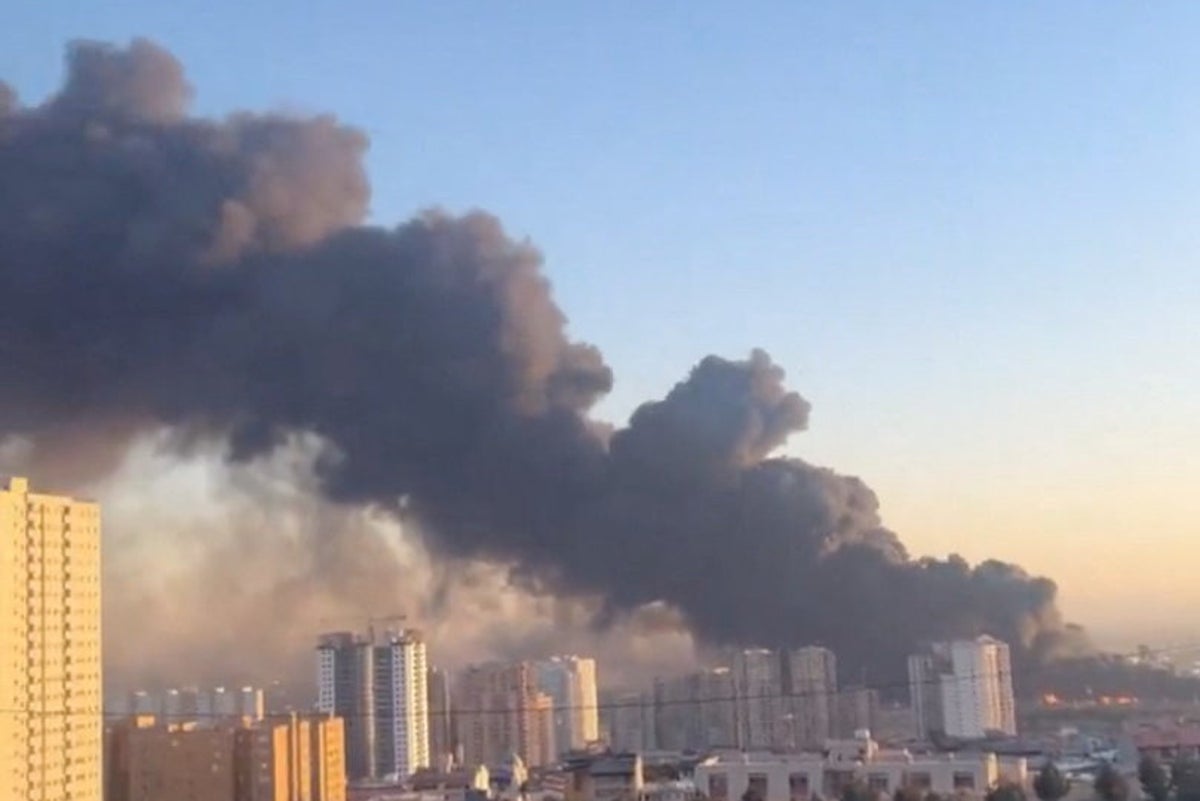
The conflict between the United States, Israel, and Iran has shifted from a decades-long shadow war into an all-out regional conflagration that has claimed the life of Supreme Leader Ayatollah Ali Khamenei and is now extracting a heavy price in American blood. On Sunday, a drone strike on a commercial port in Kuwait killed six U.S. soldiers, marking the first American combat fatalities of a campaign that the Trump administration has dubbed "Operation Epic Fury." While the Pentagon initially withheld the names of the fallen, the release of their identities—Capt. Cody Khork, Sgt. 1st Class Noah Tietjens, Sgt. 1st Class Nicole Amor, and Sgt. Declan Coady—has grounded the high-level geopolitical posturing in a grim, domestic reality. These were not frontline infantry, but Army Reserve logisticians from the 103rd Sustainment Command, killed while managing the flow of supplies far from the primary bombardment zones in Tehran.
Israel has since intensified its air campaign, launching a "large-scale" wave of fresh strikes across the Iranian capital aimed at dismantling what remains of the Islamic Revolutionary Guard Corps (IRGC) command structure. The objective is no longer mere deterrence. It is the systematic dismantling of the Iranian state’s ability to function.
Logistics Under Fire
The deaths in Kuwait reveal a critical vulnerability in the current coalition strategy. While the U.S. and Israel possess overwhelming aerial and naval superiority—having already sunk 17 Iranian vessels and neutralized the bulk of Iran’s conventional navy—the "Axis of Resistance" is relying on asymmetrical attrition. The drone that struck Port Shuaiba was not a sophisticated cruise missile, but a low-cost, one-way suicide UAV that slipped through the layered defenses of a sovereign U.S. ally.
This is the central paradox of the 2026 war. You can decapitate the leadership in a single afternoon, as the initial strikes on February 28 reportedly did by killing Khamenei and senior members of the Assembly of Experts, but you cannot easily "annihilate" the thousands of decentralized drone cells scattered across the Middle East.
The fallen soldiers represent the backbone of American power in the region. Capt. Cody Khork, 35, was a veteran with deployments in Saudi Arabia and Poland. Sgt. 1st Class Nicole Amor had served in Iraq. These were experienced professionals responsible for the food, fuel, and ammunition that keep the "Epic Fury" machine running. Their deaths in a supposedly "safe" logistics hub like Kuwait signal that there is no longer a rear guard in this conflict. Every square inch of the Persian Gulf is now a frontline.
The Decapitation Strategy and its Fallout
Israeli military spokesman Brig. Gen. Effie Defrin confirmed that recent strikes in the city of Qom targeted a building where clerics were believed to be meeting to discuss a successor to Khamenei. The message from Jerusalem is clear: anyone attempting to stabilize the regime is a target for assassination. This hardline stance aims to create a power vacuum that will lead to internal collapse, but the immediate result is a desperate, multi-front retaliation.
Tehran’s response has been a frantic "lashing out" that has hit embassies in Saudi Arabia, fuel tankers in Oman, and airports in Bahrain. The Strait of Hormuz, the world’s most vital energy artery, is effectively a no-go zone. Global oil markets are reeling as 20% of the world's petroleum supply is held hostage by the threat of Iranian mine-laying and shore-based missile batteries.
Despite the tactical successes of the U.S. Air Force—which has conducted nearly 2,000 strikes in just five days—the political objective remains muddled. President Trump has publicly called for "regime change" and urged the Iranian people to "take back their country," yet senior administration officials have spent the last 48 hours attempting to walk back those comments to avoid the "nation-building" traps of the early 2000s.
The Cost of the Buffer Zone
As the war enters its fifth day, the geography of the conflict is expanding. Israel has ordered its ground forces to seize territory in southern Lebanon, creating a buffer zone to push back Hezbollah. This move has already displaced over 30,000 people and resulted in dozens of civilian casualties in Beirut’s southern suburbs.
The strategy is a massive gamble. By attempting to solve the "Iran problem" once and for all, the coalition has triggered a regional reset with no clear off-ramp. The U.S. and Israel have successfully degraded Iran’s nuclear research sites and air defenses, but they are now faced with the reality of a cornered animal. Iran has begun using cluster munition warheads on its remaining ballistic missiles, one of which was fired at Israel on March 1.
Military analysts are now questioning if the scale of "Operation Epic Fury"—which has seen a firepower buildup double the scale of the 2003 Iraq invasion—is matched by a viable post-war plan. Sinking an entire navy is a feat of engineering and coordination; governing the resulting chaos is a matter of history, and history is rarely kind to those who seek to redraw the map of the Middle East overnight.
The families of the four identified soldiers in the 103rd Sustainment Command are now mourning the cost of this regional reset. As more names are released, the American public will have to decide how much "fury" they are willing to sustain.