The myth of the Gulf’s untouchable "safe zone" shattered at approximately 2:30 PM on Saturday. As interceptor missiles streaked across the hazy afternoon sky over Abu Dhabi and Dubai, the reality of a regional conflagration became impossible to ignore. For decades, the United Arab Emirates and its neighbors have marketed themselves as gilded sanctuaries of stability, islands of high-end commerce insulated from the chaos of the wider Middle East. That insulation has just been torn away.
Tehran’s decision to launch a massive barrage of ballistic missiles and drones directly at the capital cities of the Gulf Cooperation Council (GCC) marks a catastrophic departure from its traditional reliance on regional proxies. This was not a deniable operation by Houthi rebels or Iraqi militias. It was a direct, state-on-state escalation. While the UAE Ministry of Defense confirmed that its air defense systems—anchored by the American-made THAAD and Patriot batteries—intercepted the bulk of the "blatant attack," the cost was still measured in blood. One civilian, a Pakistani national, was killed by falling debris in a residential area of Abu Dhabi.
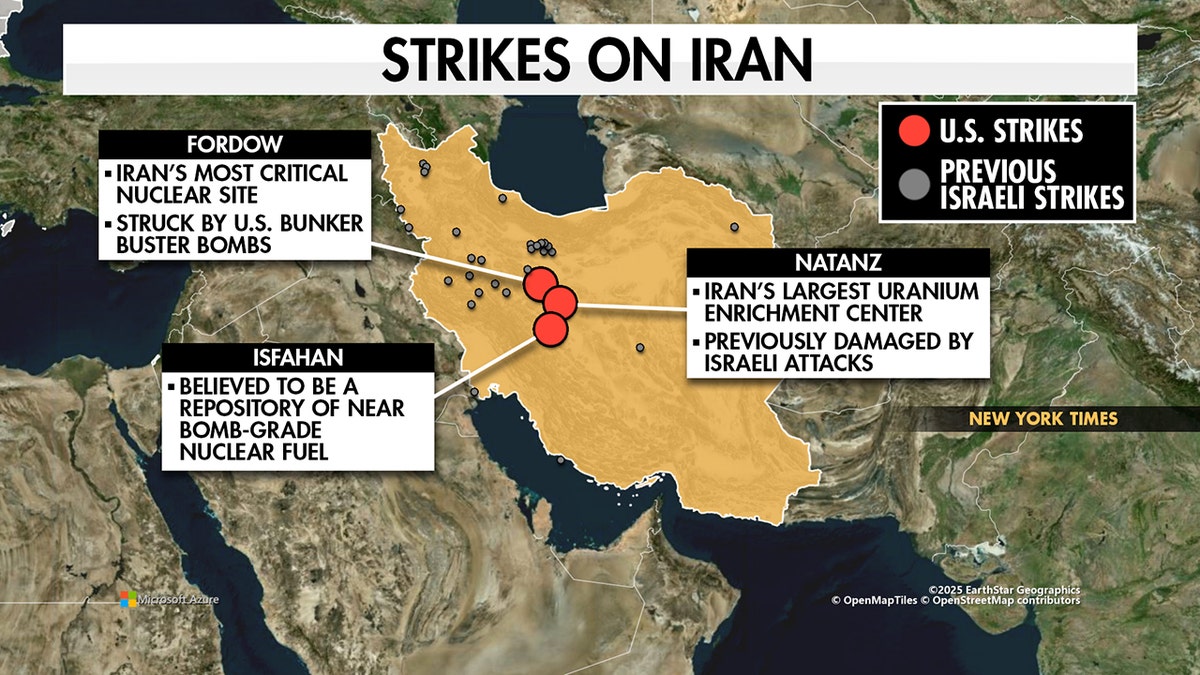
This strike was the Iranian Revolutionary Guard Corps' (IRGC) promised retaliation for a massive U.S. and Israeli air campaign that reportedly targeted Iranian nuclear facilities and leadership hubs earlier that morning. By turning its sights on the UAE, Qatar, Bahrain, and Kuwait, Tehran is sending a message that is as clear as it is desperate. If Iran goes down, the global economy goes down with it.
The Failure of Regional Insulation
For years, the Gulf states have walked a razor-thin tightrope. They host the very U.S. military bases—Al Dhafra in the UAE, Al Udeid in Qatar, and the Fifth Fleet in Bahrain—that provide the logistical backbone for strikes against Iran. Simultaneously, they have attempted to de-escalate with Tehran through diplomacy and trade, hoping to avoid becoming the "arena" for a superpower showdown.
That strategy has failed.
The IRGC statement following the launches did not mince words, claiming that "all criminal U.S. bases in the region" were targets. By striking cities like Abu Dhabi and Manama, Iran is intentionally targeting the soft underbelly of Western influence. These are not just military targets; they are the logistical and financial nodes of the global energy market. When a missile fragment falls in Khalifa City or near the Corniche, it doesn't just damage a building. It damages the confidence of the millions of expatriates and investors who keep the Gulf’s engines humming.
A Technical Siege
The sheer scale of the Saturday afternoon assault suggests a coordinated effort to saturate and overwhelm regional defenses. Reports indicate the use of 332 drones and over 30 ballistic missiles in the first wave alone. This is "saturation mapping"—a tactic designed to force air defense batteries to expend their limited, multi-million-dollar interceptors on cheap drones so that the heavy ballistic missiles can slip through.
- Abu Dhabi: Multiple booms were heard in rapid succession. Witnesses reported windows vibrating near the Corniche as interceptors met their targets.
- Dubai: Smoke was seen rising near the Palm Jumeirah after a building sustained damage, leaving four people wounded.
- Bahrain: A service center for the U.S. Fifth Fleet was struck, marking a rare direct hit on a core American naval asset.
- Qatar: Interceptions were reported over Doha, a city that rarely sees even a hint of military activity.
The "efficiency" of the air defenses, while high, is not a permanent shield. Every battery has a reload time. Every radar system has a limit to how many tracks it can manage simultaneously. Iran is betting that even if 95% of their hardware is shot down, the 5% that makes it through—hitting a desalination plant, a power grid, or a crowded residential block—is enough to force a total regional surrender.
The Economic Weapon
Beyond the immediate kinetic damage, Tehran is wielding the threat of total economic paralysis. As the missiles flew, global airlines immediately suspended flights across the Middle East. Flight maps showed a haunting vacuum over the Gulf, usually one of the busiest corridors in the world.
If Abu Dhabi and Dubai become intermittent combat zones, the "safe haven" premium that fuels their real estate and tourism sectors evaporates. The UAE has rightfully characterized the attack as a "dangerous escalation" and a "cowardly act," but the cold reality is that the Gulf's prosperity is its greatest vulnerability. Iran knows that it doesn't need to win a war on the ground; it only needs to make the Gulf too expensive and too risky for the rest of the world to inhabit.
A Shift in the Chessboard
We are no longer in the era of "shadow wars." The killing of an Asian expatriate in a quiet Abu Dhabi neighborhood by a missile launched from Iranian soil is a milestone in the decline of Middle Eastern security. The UAE has asserted its "full right to respond," but the options are grim. A counter-strike against Iran risks a total regional firestorm that could shut down the Strait of Hormuz, while silence risks signaling to Tehran that the Gulf is a free-fire zone for their frustrations with Washington.
The emergency alerts that chimed on millions of phones across the Emirates on Saturday were not just a call to seek shelter. They were a wake-up call. The geopolitical friction between the West and Iran has finally outgrown the borders of those two entities, and the "brotherly nations" of the Gulf are now the front line of a war they spent decades trying to buy their way out of.
The debris has been cleared from the streets of Abu Dhabi, but the tension is permanent. This was not a one-off event. It was a demonstration of a new, brutal reality where no amount of luxury or architectural brilliance can provide cover from a ballistic trajectory.