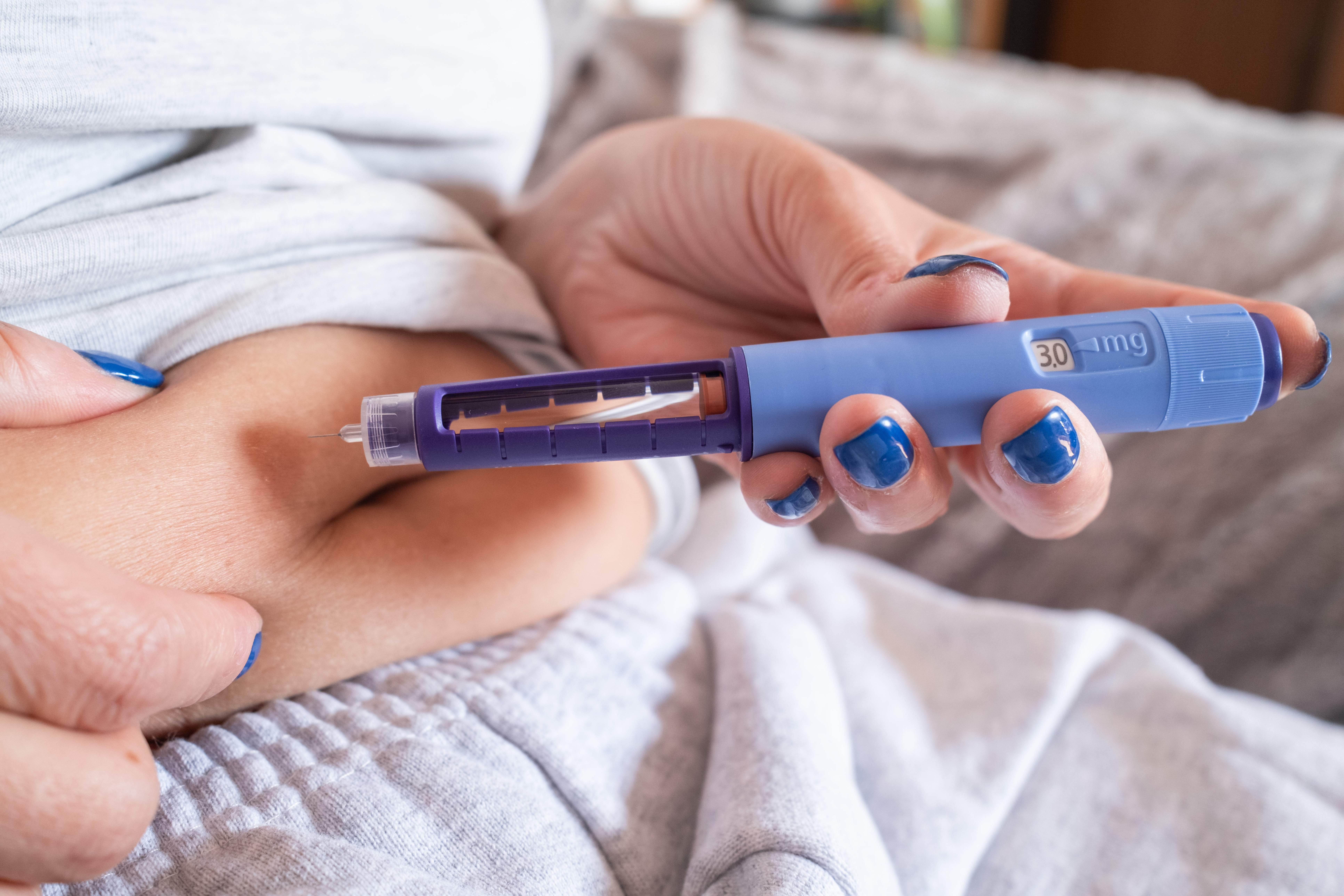
Canada just became the first G7 nation to approve a generic version of semaglutide, the powerhouse active ingredient in the blockbuster drug Ozempic. On April 28, 2026, Health Canada authorized a version produced by Dr. Reddy’s Laboratories, a move that effectively ends the era of total market dominance for Novo Nordisk. While patients are bracing for a price crash that could see costs drop from $400 a month to as little as $70, the reality of the rollout is far more complicated than a simple discount at the pharmacy counter.
The primary driver of this shift was not a benevolent policy change, but a massive strategic gamble—or oversight—by Novo Nordisk regarding its patent maintenance fees in Canada. This allowed the data exclusivity for semaglutide to expire on January 4, 2026, years ahead of the 2030s timeline expected in the United States and Europe. With eight other manufacturers currently in the queue for approval, including industry giants like Sandoz and Apotex, Canada is now the global test lab for what happens when a "miracle" weight-loss drug goes generic.
The Tiered Collapse of Pricing
In Canada, the price of generic drugs is not a free-for-all. It is governed by a strict framework established by the pan-Canadian Pharmaceutical Alliance (pCPA). This system ensures that the more competitors enter the market, the lower the price must fall.
Under these rules, the first generic on the market—in this case, the version from Dr. Reddy’s—is typically priced at 75% to 85% of the brand-name cost. If Ozempic currently retails for roughly $320 per pen, the first wave of generic users will likely pay around $240. That is a significant saving, but it is hardly the "pennies on the dollar" some had hoped for.
The real movement starts when the second and third competitors receive their green light from Health Canada. Once two generics are available, the price usually drops to 50% of the brand name. When three or more versions are approved, the price can plummet to 35% or less. Based on current filings, we are looking at a potential price floor of approximately $110 per pen by late 2026.
The Quality Question and the Injection Gap
Skeptics often wonder if a $100 generic can truly match a $400 brand-name biologic. From a chemical standpoint, the answer is a definitive yes. Health Canada requires "pharmaceutical equivalence," meaning the active synthetic peptide must be identical. However, semaglutide is not a simple aspirin tablet. It is a complex molecule delivered via a sophisticated mechanical device: the injection pen.
The patent for the drug itself may have lapsed, but the specific engineering of the Novo Nordisk FlexTouch pen remains a fortress of intellectual property. Generic manufacturers must develop their own delivery systems. For the patient, this means the click, the dial, and the needle feel may change. While the medicine is the same, the user experience is not. This has historically led to "nocebo" effects, where patients perceive a generic is less effective simply because the delivery mechanism feels less premium.
The Off-Label Shadow Market
While the Dr. Reddy’s approval is technically for Type 2 diabetes, the elephant in the room is Wegovy—the weight-loss branding of semaglutide. Currently, most private insurance plans in Canada cover Ozempic for diabetes but balk at the $5,000-a-year price tag for weight management.
The arrival of generics changes the actuarial math. If the cost of treatment drops by 60%, the "lifestyle drug" excuse used by insurers starts to crumble. We are likely to see a massive shift in employer-provided health benefits as obesity treatment becomes financially viable for the first time. Employers who previously excluded weight-loss drugs due to "sustainability concerns" will face mounting pressure to include generic semaglutide in their 2027 plan years.
The Cross-Border Pressure Valve
Canada’s status as the first G7 country with a generic will almost certainly reignite the cross-border drug trade. In 2023, British Columbia had to implement emergency restrictions to prevent U.S. residents from draining the provincial supply of Ozempic. With American patients still facing monthly bills north of $900 USD, a $150 CAD generic just across the border is an irresistible target.
Health Canada has already signaled it will monitor domestic supply chains with "increased scrutiny." Generic manufacturers are legally prohibited from exporting drugs if it creates a shortage at home, but the digital grey market—online pharmacies and "consultation" services—is notoriously difficult to police.
The Counter-Offensive
Novo Nordisk is not exiting the stage quietly. In a classic "authorized generic" maneuver, the company received approval for two rebranded versions of its own drugs in late 2025: Plosbrio (identical to Ozempic) and Poviztra (identical to Wegovy). By launching its own "off-brand" versions, Novo Nordisk can capture the budget-conscious market while maintaining the premium status of its flagship brands.
This strategy serves two purposes. First, it allows the company to compete on price without officially slashing the list price of Ozempic. Second, it allows them to leverage their existing, high-quality manufacturing facilities and pens, potentially squeezing out generic competitors who are still struggling with delivery-device manufacturing at scale.
The Pharmacy Reality
Do not expect to walk into a Rexall or Shoppers Drug Mart tomorrow and find generic semaglutide on the shelf. While the regulatory approval is granted, the logistics of manufacturing, labeling for the Canadian market, and provincial formulary negotiations take time. Industry analysts expect the first shipments to arrive in pharmacies by the third quarter of 2026.
For the 11 million Canadians living with diabetes or prediabetes, this is more than a business story. It is the end of a period of forced rationing for those without comprehensive drug plans. The science is settled, the patent has broken, and the price is finally beginning to follow.
Check your provincial formulary updates in August for the first signs of generic listing and reimbursement eligibility.