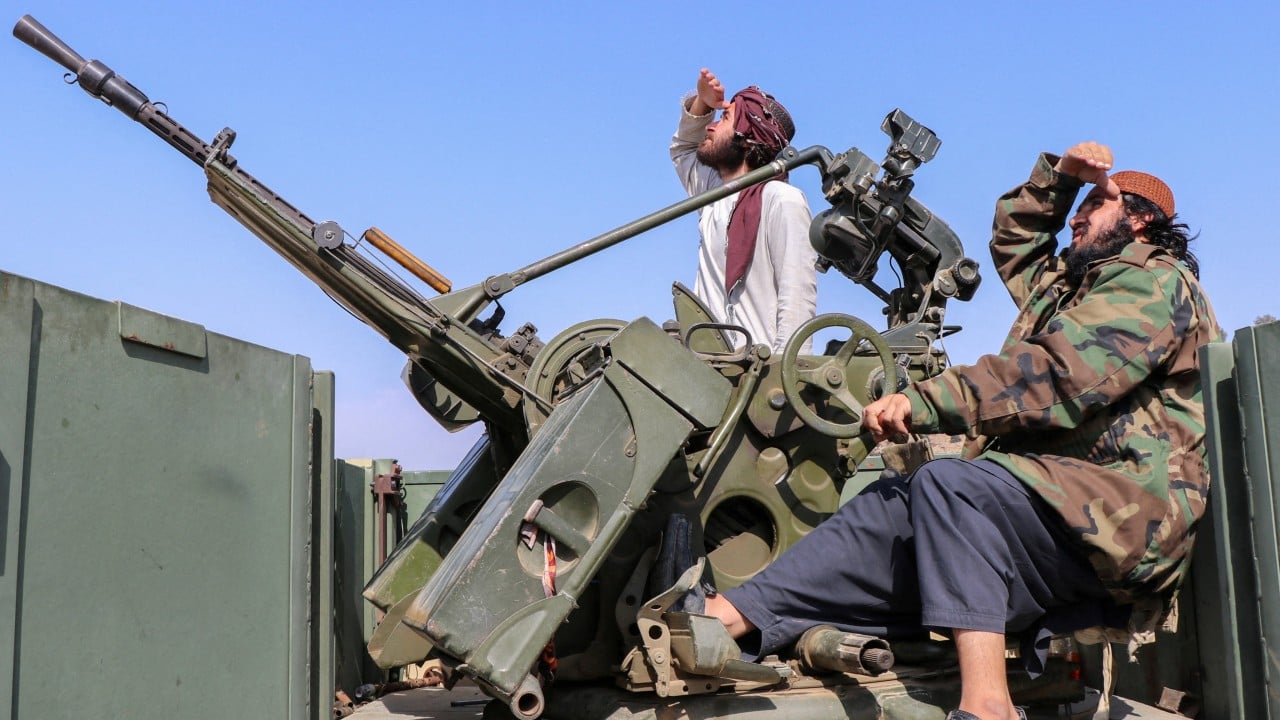
The dust at the Torkham border crossing doesn't just settle. It clings. It gets into the lungs of the truck drivers waiting in lines that stretch for miles, and it coats the tea cups of the border guards who, only a few years ago, shared those same cups in a spirit of triumph.
There was a time, not so long ago, when the atmosphere here was electric with a different kind of energy. In August 2021, as the last American planes vanished into the haze over Kabul, there were celebrations in the corridors of power in Islamabad. The narrative was simple: a "friendly" government was finally in power next door. The strategic depth Pakistan had sought for decades was supposedly secured.
Then the shooting started.
The Mirage of Shared Interest
To understand why two groups that once called each other "brothers" are now exchanging mortar fire, you have to look past the official press releases. You have to look at the Durand Line. To a bureaucrat in Islamabad, this is a firm international border. To a Taliban fighter in Nangarhar, it is a colonial scar across the heart of the Pashtun people.
Pakistan’s gamble was based on a specific calculation. They believed that by supporting the Afghan Taliban’s return to power, they would gain a partner who would finally flush out the Tehrik-i-Taliban Pakistan (TTP)—the domestic militant group that has waged a bloody insurgency against the Pakistani state for nearly two decades.
It was a logical plan on paper. In reality, it ignored the stubborn pride of a movement that had just defeated a superpower. When the Pakistani authorities asked the new masters of Kabul to hand over TTP leaders, the Afghan Taliban didn’t just say no. They suggested that Pakistan should "manage its own internal affairs."
Imagine a landlord who helps a relative move into the apartment next door, hoping that relative will help him kick out a troublesome squatter. Instead, the relative moves in, invites the squatter over for dinner, and tells the landlord to stop knocking on the door.
The Blood in the Valleys
The numbers tell a story that the diplomats try to soften. Since the Taliban took Kabul, terrorist attacks inside Pakistan have surged by over 70%. These aren't just statistics; they are the shattered windows of police stations in Khyber Pakhtunkhwa and the funeral processions in the valleys of Swat.
The TTP, emboldened by the "Islamic Emirate" next door, has found a sanctuary that is practically impenetrable. They use the same mountain passes the Mujahideen used against the Soviets. They use the night-vision goggles and M4 rifles left behind in the chaotic American withdrawal.
Pakistan’s response has been a mix of desperation and fury. They have implemented a massive deportation drive, sending hundreds of thousands of undocumented Afghans back across the border into a country gripped by famine and economic collapse. It is a blunt instrument of foreign policy, used to punish the Taliban leadership by straining their already fragile resources.
When you stand at the border and watch a family pile their entire lives—charpoy beds, copper pots, and sacks of grain—onto a brightly painted Bedford truck, you aren't looking at "repatriation." You are looking at the human cost of a failed geopolitical bet.
A Border of Barbed Wire and Bitterness
The physical border has become a flashpoint. Frequent skirmishes break out over the construction of border posts or fences. A stray bullet from a nervous conscript can lead to an afternoon of heavy artillery exchange.
Why can't they just talk it out? Because the two sides are speaking different languages. Islamabad speaks the language of a modern nation-state: borders, visas, counter-terrorism, and trade. The Taliban speaks the language of an ideological movement: sovereignty, Islamic solidarity, and the refusal to be seen as anyone's puppet.
There is a psychological shift occurring. For decades, Pakistan was the indispensable patron. Today, the Taliban feels it owes no one. They survived twenty years of war; they aren't intimidated by a closed border or a cancelled trade agreement.
Consider the hypothetical case of Ahmad, a trader who has spent thirty years moving pomegranates from Kandahar to the markets of Lahore. Five years ago, his biggest worry was a bribe at a checkpoint. Today, his worry is that the gate will simply never open again. His livelihood is a hostage to a cold war between two entities that used to be inseparable.
The Vanishing Middle Ground
The irony is thick enough to choke on. Pakistan spent years convincing the world that the Taliban were a political reality that had to be engaged with. Now that the world has largely moved on, Pakistan is the one screaming that the Taliban are a security threat that cannot be ignored.
The leverage is gone. The "proxies" have become the "principals."
We often talk about geopolitics as if it were a game of chess. But in chess, the pieces don't have their own agendas. The pawns don't suddenly decide they’d rather be on the other side of the board because they share a common creed with the opposing knights.
The relationship has moved from a tactical alliance to a strategic nightmare. Pakistan is fencing a border that the other side refuses to recognize, while the TTP uses that same border as a shield. It is a cycle of provocation and retaliation that leaves no room for the "brotherly ties" both sides still pay lip service to in public.
The Silence After the Shelling
When the artillery goes quiet after a border skirmish, a heavy silence hangs over the mountains. It is the silence of a realization. Pakistan is realizing that a Taliban-led Afghanistan is not the compliant neighbor they envisioned. The Taliban are realizing that running a country requires the very neighbors they are currently alienating.
The bridge at Torkham remains a symbol. Sometimes it is open, a narrow artery for commerce and desperate families. More often, it is a barricade.
The stakes aren't just about who controls a few miles of dirt in the Hindu Kush. The stakes are the stability of a nuclear-armed nation and the survival of a population that hasn't known true peace in forty years. The "Great Game" has shifted, the players have changed clothes, but the tragedy remains the same.
The dust continues to blow. It covers the new fences, the old graves, and the faces of the children who watch the soldiers from both sides with eyes that have already seen too much. They are the ones who will inherit this broken bridge, long after the men who ordered the firing have left the stage.
The tea in the cups at the border is cold now. No one is sharing.


