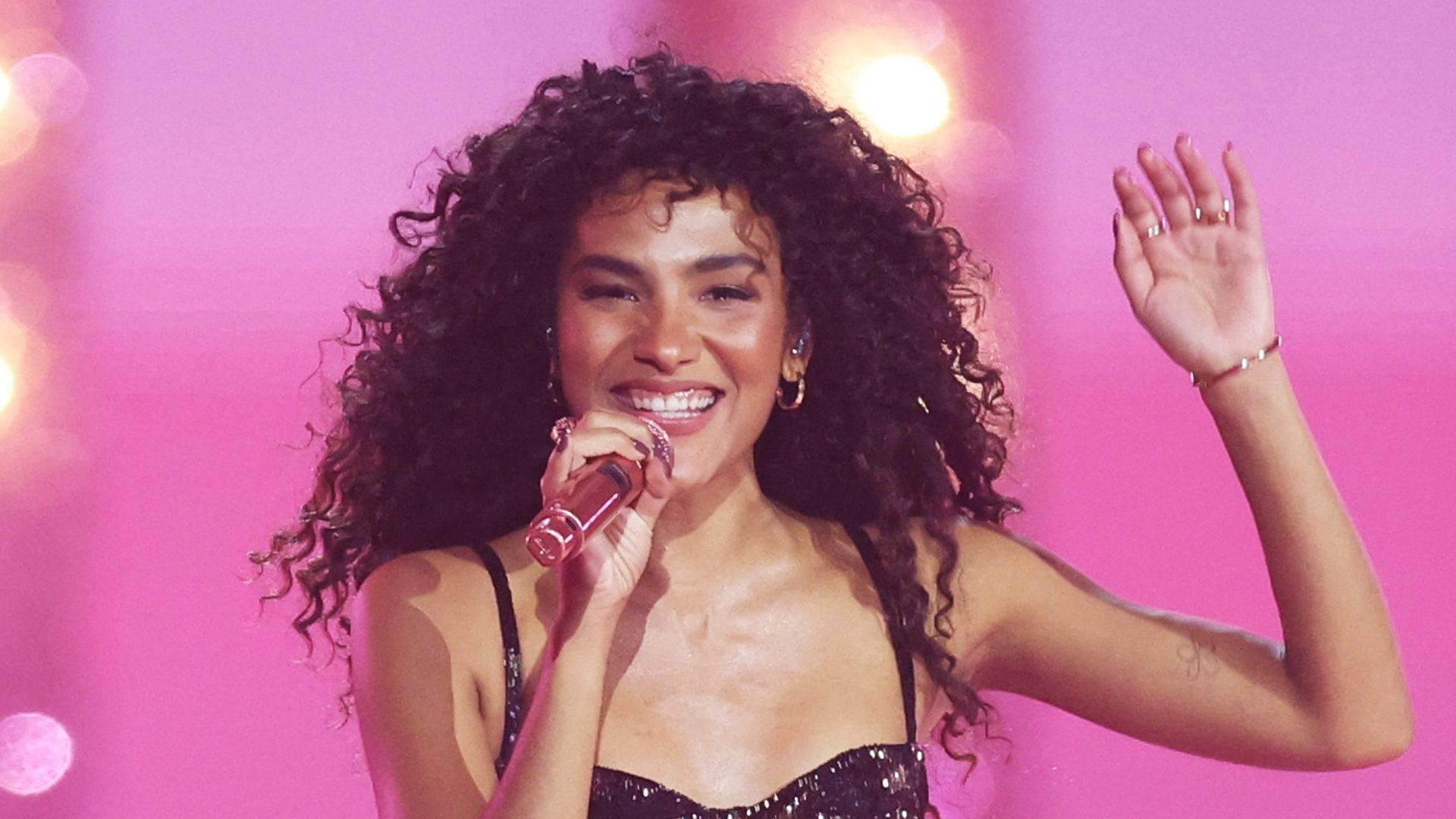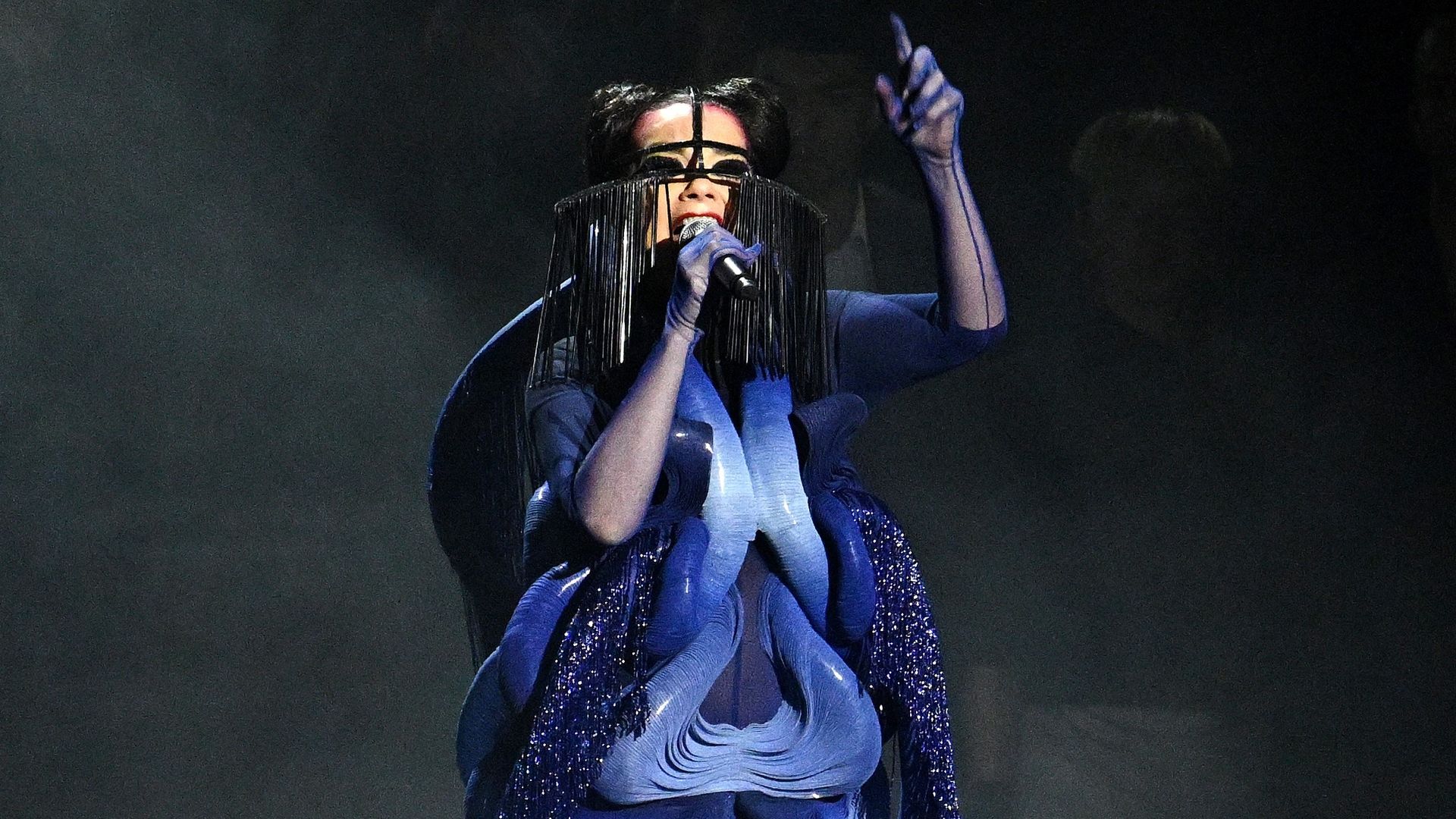
The Brit Awards 2026 was supposed to be a rebirth, a northern soul infusion as the ceremony decamped from London’s O2 to Manchester’s Co-op Live. Instead, it became a battleground between corporate sanitation and the messy reality of British music. While Olivia Dean walked away with a historic four-gong haul—sweeping Artist, Album, Pop Act, and Song of the Year—the true story of the night was what ITV tried to hide from you.
The 2026 ceremony proved that even as the industry celebrates its most "relatable" stars, it remains terrified of their voices. From the heavy-handed censorship of political statements to the calculated "surprises" designed for social media clips, the Brits have moved north but kept their guards up.
The Olivia Dean Supremacy and the Industry Machine
Olivia Dean’s victory was not a surprise to anyone who has watched the BPI’s trajectory over the last decade. Her album, The Art of Loving, is an undeniable triumph of modern British soul, but her four-win sweep also signals a safe bet for an industry looking for stability. She is the perfect face for 2026: talented, charismatic, and broadly marketable.
However, her dominance came at the expense of Sam Fender, whose People Watching was the critical and commercial juggernaut of the year. Fender’s loss in the Album of the Year category felt like a glitch in the matrix to those who watched him win the Mercury Prize and dominate airwaves for twelve months. Fender didn't leave empty-handed, taking Alternative/Rock Act and sharing Song of the Year for his duet with Dean, "Rein Me In," but the night clearly belonged to the Londoner in Manchester territory.
The Censorship Scandal ITV Couldn't Hide
The most "hard-hitting" moments of the night weren't the performances, but the silences. ITV’s "kill switch" was the hardest working member of the production crew. Viewers at home were treated to jarring audio drops and "technical difficulties" every time an artist stepped out of the pre-approved script.
Max Bassin, drummer for New York rock band Geese, had his speech for International Group of the Year almost entirely bleeped out. While attendees in the room heard a defiant "free Palestine" and a sharp "f*** ICE," the televised audience heard only static. It was a clumsy attempt at neutrality that backfired, turning a fleeting moment of activism into a headline-grabbing scandal about broadcast control.
The censorship didn't stop with politics. Even Noel Gallagher, receiving the Songwriter of the Year award, saw his trademark Manchester grit softened by the editors. While he took the stage to a standing ovation and thanked his brother Liam—a moment that felt like the final seal on the Oasis reunion—his sharp jabs at the London-centric music establishment were reportedly "trimmed" for the broadcast.
Manchester Soul vs. Corporate Polish
The move to Manchester was intended to celebrate the city’s musical heritage, yet the execution felt like a London circus wearing a bucket hat. Jack Whitehall returned to host, delivering zingers that often landed with a thud in the cavernous Co-op Live. His joke about Lord Peter Mandelson being on "another list" was swiftly scrubbed from the TV edit, a reminder that the Brits’ new home hasn't made them any more daring.
The real Manchester energy came in flashes. Wolf Alice winning Group of the Year for the second time provided a rare moment of genuine industry reflection. Frontwoman Ellie Rowsell used her platform to address the "battle to survive" for grassroots venues, noting that 30 independent spaces closed in the last year alone.
"It shouldn't feel like a golden ticket, but a viable career decision for anyone from any background," Rowsell stated, a pointed reminder that while the Brits celebrate the 1% at the top, the foundation of the UK music scene is crumbling.
The Tributes and the Ghosts of Music Past
The evening’s emotional anchor was the posthumous Lifetime Achievement Award for Ozzy Osbourne. Introduced via video by Dolly Parton, the tribute was collected by Sharon and Kelly Osbourne. Sharon’s description of her late husband as a "humble egomaniac" was a rare moment of unvarnished truth.
The closing performance—a chaotic, high-energy rendition of "No More Tears" led by Robbie Williams and backed by Metallica’s Robert Trujillo—attempted to recapture the "wild man" spirit Ozzy embodied. It was loud, it was messy, and for five minutes, it felt like the Brits had actually found their pulse.
Earlier in the night, Mark Ronson received the Outstanding Contribution to Music award. His medley was a masterclass in nostalgia, featuring a surprise appearance from Dua Lipa on a giant disco ball and a haunting "Back to Black" vocal track from Amy Winehouse. It served as a reminder of what the Brits used to be: a place where unexpected collaborations created cultural moments.
The K-Pop Incursion and Global Shifts
2026 marked the year the Brits finally acknowledged the K-pop juggernaut in a meaningful way. Rosé became the first K-pop winner in the ceremony's history, taking International Song of the Year for "APT." with Bruno Mars.
More interesting was the performance by Huntr/x, the group from the film KPop Demon Hunters. By blending animated visuals with live vocalists, the Brits signaled their surrender to the new digital reality of stardom. It was polished, it was perfect, and it was entirely the opposite of the "Manchester grit" the organizers had promised.
The Real Winner was the Mute Button
While the charts will show Olivia Dean as the night’s big winner, the industry’s obsession with control remains its biggest loser. By censoring artists like Geese and Jacob Alon, the BPI and ITV proved they are still out of touch with the very rebellion that makes British music vital.
The Brit Awards 2026 proved that you can change the venue, but you can't easily change the culture. Manchester provided the backdrop, but the London boardrooms still held the remote. Until the awards allow the "chaos" they claim to celebrate to actually reach the airwaves, they will remain a beautifully produced, highly sanitized version of a scene that is far more interesting than the show suggests.
British music is thriving in the small clubs Ellie Rowsell defended, in the political anger Max Bassin expressed, and in the "humble egomania" Sharon Osbourne described. The 2026 Brits gave us the names, but they missed the point.