Brent crude just smashed through the $126 mark. It's a four-year high that has caught plenty of traders off guard. If you've been watching the pumps or your heating bill, you already feel the burn. But this isn't just about supply and demand or some minor technical glitch in a pipeline. This price spike is driven by the heavy scent of gunpowder in the Middle East. News broke that the U.S. military is preparing to brief the President on potential kinetic actions against Iran. When the world's most powerful military starts drawing up "options" for one of the world's most strategic oil chokepoints, the markets don't just react. They panic.
Oil is the ultimate geopolitical barometer. Right now, it’s screaming "storm incoming."
The $126 Brent Crude Reality Check
Prices didn't just drift to $126. They vaulted there. To understand why this matters, you have to look at the global supply chain. Brent crude is the international benchmark. When it moves, everything from jet fuel in London to gasoline in Los Angeles eventually follows suit. We haven't seen these levels in nearly half a decade. Most analysts were betting on a cooling period as production ramped up in other parts of the world. They were wrong.
The math is simple and brutal. Markets hate uncertainty. They hate the idea of the Strait of Hormuz becoming a no-go zone even more. About a fifth of the world's total oil consumption passes through that narrow strip of water. If the U.S. and Iran move from a cold war to a hot one, that $126 figure will look like a bargain. We're talking about the potential for a total supply shock.
Why the Military Briefing Changed Everything
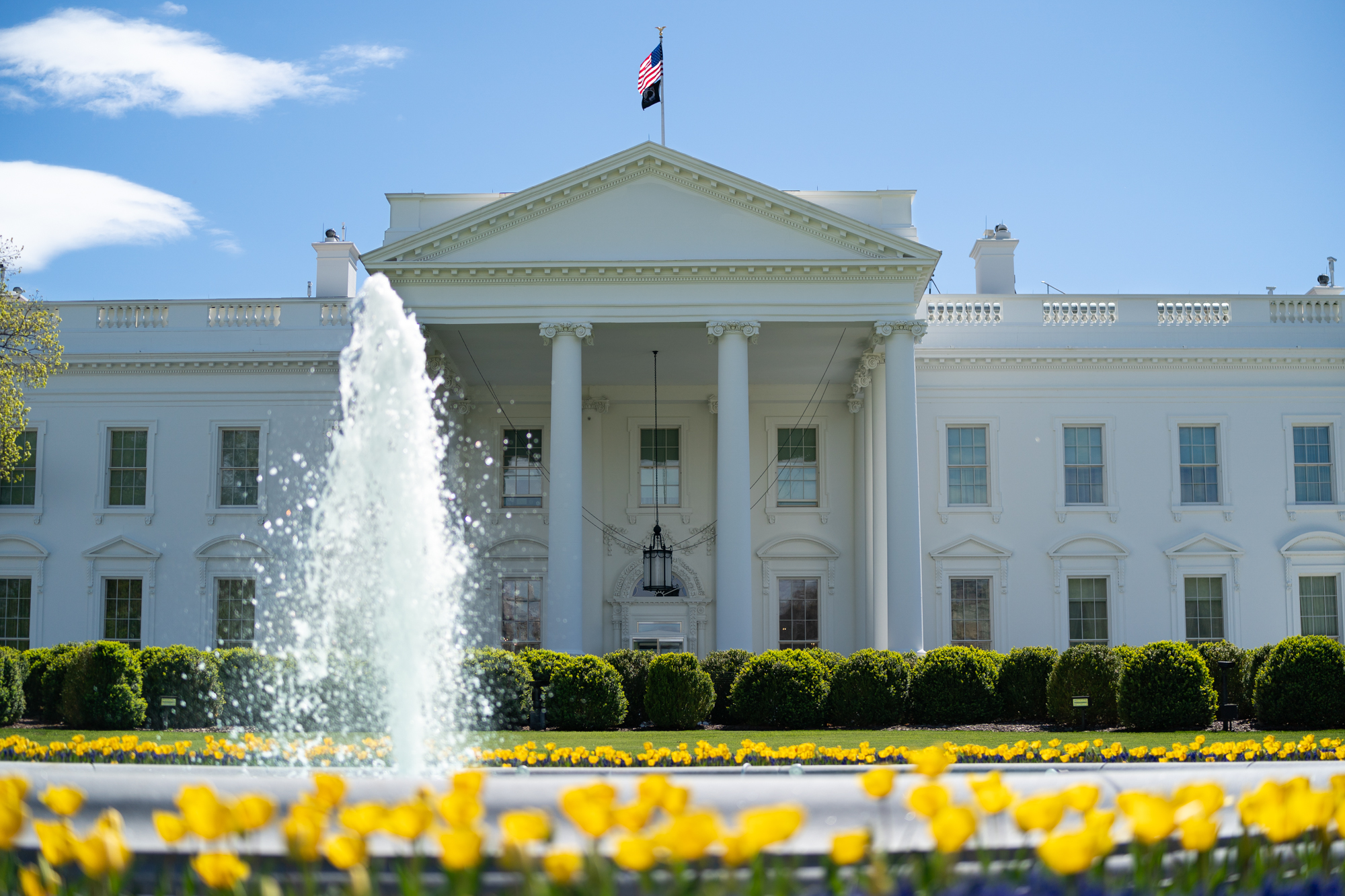
Wall Street was already nervous about inflation. Then the report hit that military leaders are heading to the White House with a folder full of strike options. That's the trigger. It signals that diplomacy might be hitting a brick wall.
When a briefing like this becomes public knowledge, it’s often a calculated move. It puts pressure on Tehran. But it also puts a floor under oil prices that won't give way anytime soon. Traders are now pricing in a "war premium." This is an extra cost added to every barrel because of the risk that tomorrow’s shipment might never arrive. If you're wondering why you're paying more today, it's because the market is terrified of what happens next Tuesday.
Iran isn't just another producer. They have the capability to make life miserable for every tanker in the Persian Gulf. They've done it before with mines and fast-attack boats. The U.S. military knows this. Any "action" discussed in that briefing likely includes protecting these shipping lanes, which is a massive, expensive, and dangerous undertaking.
The Ripple Effect on the Global Economy
High oil prices are a tax on everyone. It’s that simple. When energy costs spike, shipping costs rise. When shipping costs rise, the price of the milk in your fridge and the shoes on your feet goes up. This $126 surge is happening while many economies are already struggling to keep their heads above water.
- Manufacturing slowdowns: Factories in Europe and Asia that rely on imported oil are seeing their margins evaporate.
- Airlines in trouble: Fuel is usually the biggest expense for a carrier. Expect ticket prices to jump by 15% if Brent stays above $120 for more than a month.
- Consumer spending: Every extra dollar you spend at the gas station is a dollar you don't spend at a local restaurant or on a new gadget.
This creates a feedback loop. High energy prices drive inflation. Central banks then keep interest rates high to fight that inflation. High interest rates make it harder for businesses to grow. It’s a messy cycle that usually ends in a recession. We're teetering on that edge right now.
Is This a Bubble or the New Normal
I’ve seen plenty of "oil shocks" come and go. Usually, some politician makes a phone call, OPEC opens the taps a bit wider, and prices settle. This time feels different. The structural deficit in oil production hasn't been solved. We’ve spent years underinvesting in new wells because everyone thought the green energy transition would happen overnight. It didn't.
Now, we're stuck. We need the oil, but the capacity to pump more isn't there. Add a potential war to that mix, and you have a recipe for sustained high prices. I don't see Brent dropping back to $80 anytime soon. Not while drones are flying and aircraft carriers are moving into position.
What You Should Do Right Now
Don't wait for the government to "fix" gas prices. They can't. They can release oil from the Strategic Petroleum Reserve, but that's like putting a Band-Aid on a gunshot wound. It’s a temporary fix that doesn't change the underlying math.
You need to look at your own exposure. If you own stocks in transport or heavy manufacturing, check their energy hedging strategies. Companies that didn't lock in lower fuel prices months ago are going to get slaughtered in their next earnings reports. On the flip side, energy producers are about to be swimming in cash.
If you're a consumer, it's time to get lean. Trim the fat in your budget now. If Brent hits $140—which is entirely possible if a single missile is fired—the economic landscape will shift overnight.
The Bottom Line on the U.S. Iran Tension
This isn't just "news." It's a fundamental shift in the global risk profile. The military briefing to Trump isn't just a meeting. It’s a signal that the status quo is over. We’re moving into a period of high volatility where a single headline can swing the market by 5% in an hour.
Watch the headlines coming out of Washington and Tehran closely. Don't look at the political rhetoric. Look at the ship movements. Look at the insurance rates for tankers. That’s where the truth is. The smart money is already betting on a long, expensive standoff. You should probably do the same.
Get your finances in order. Lock in fixed rates where you can. The era of cheap energy is on life support, and the military’s next move might just pull the plug for good. Stop expecting a return to "normal" and start planning for a world where $120 oil is the baseline, not the peak.