The Kitchen Table Test
Imagine a narrow kitchen in a terraced house in northern England. The wallpaper is peeling slightly at the corners, and the radiator hums with a persistent, metallic rattle. On the table sits a stack of bills and a newspaper featuring a headline about "porous borders." For the person sitting at that table, the debate about immigration isn't an abstract exercise in political theory. It is a question of order.
Order is a quiet word, but it carries the weight of the world. It is the unspoken agreement that the floor beneath our feet will hold, that the rules apply to everyone, and that the person in charge has a hand on the tiller. When that sense of order fractures, the first thing to go isn't the economy or the infrastructure. It is trust. If you found value in this post, you should look at: this related article.
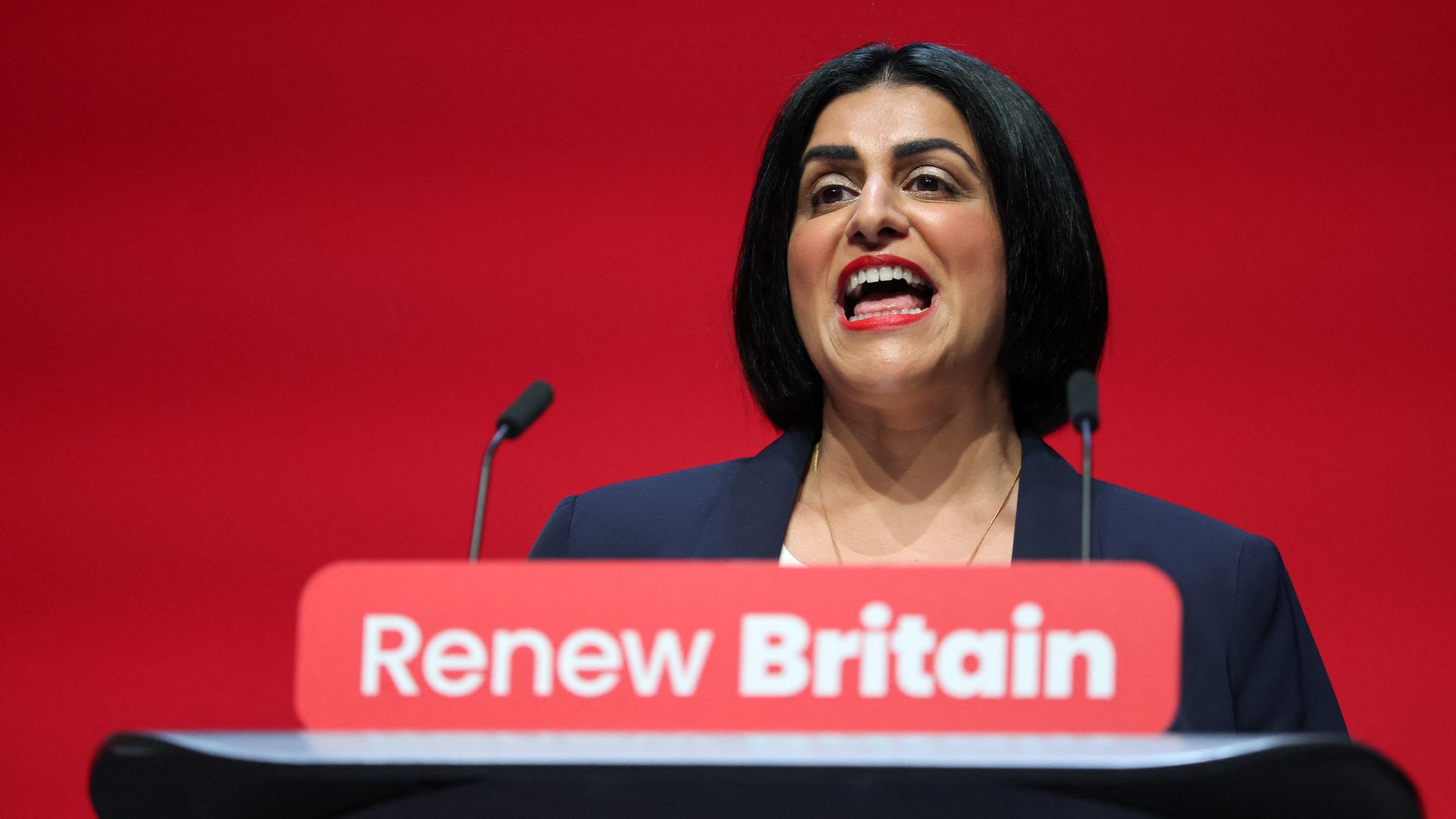
The Home Secretary stands at a podium today, not just to announce a policy shift, but to perform a delicate surgery on the soul of the Labour Party. For years, there has been a whispered tension: the idea that wanting a secure border is somehow a betrayal of "progressive" values. The suggestion was that if you cared about the integrity of the map, you didn't care about the humanity of the person crossing it.
That binary is a lie. For another look on this story, see the latest coverage from Associated Press.
It is a lie that has alienated millions of people who believe in compassion but also believe in the front door. To suggest that a nation must choose between being a sanctuary and being a sovereign state is to misunderstand the very nature of a home. A home without a door isn't a home; it’s a thoroughfare. And you cannot host anyone effectively if you don’t know who is walking through the hallway.
The Invisible Stakes of Chaos
When the system breaks, it doesn't break for the pundits in television studios. It breaks for the asylum seeker trapped in a bureaucratic purgatory for three years because the "order" has been replaced by a backlog the size of a mountain. It breaks for the community that feels its local services are being stretched past the snapping point without a plan.
Chaos is the enemy of the vulnerable.
Consider a hypothetical young man named Elias. He has fled a conflict that most of us only see in grainy social media clips. He arrives on a beach in Kent, shivering, having handed his life savings to a criminal gang that views him as nothing more than "ballast" for a dinghy. If the border is managed by gangs instead of governments, Elias isn't being "welcomed." He is being exploited.
The government's argument today is that taking back control of the border is the only way to actually protect people like Elias. By smashing the smuggler gangs and creating a system that functions with the cold, hard efficiency of a machine, you remove the incentive for the dangerous crossing. You replace the lottery of the English Channel with a process that distinguishes between a genuine cry for help and a strategic circumvention of the rules.
This isn't "Right-wing lite." It is the restoration of the state’s primary duty: the protection of its boundaries so that it can fulfill its promises to its citizens.
The Progressive Case for Walls
There is a historical irony at play here. The Labour movement was built on the foundation of organized labor, collective bargaining, and the protection of the worker. All of those things require a defined community. You cannot have a social contract if the "society" part of the contract is ill-defined or constantly bypassed.
The Home Secretary’s message is a deliberate pivot toward a "Security-First" progressiveism. It argues that the strongest argument for a robust welfare state is a secure border. Why? Because the public’s willingness to pay into a system, to support the vulnerable, and to welcome the stranger is directly tied to their belief that the system is fair.
If the public perceives that the "rules" are merely suggestions, the well of radical empathy runs dry.
We have seen this play out across Europe. When mainstream parties shy away from the hard realities of border management, they don't make the problem go away. They simply hand the keys of the conversation to the arsonists. By the time the "sensible" center realizes that the public is worried about the border, the extremists have already set the house on fire.
Control is the firebreak.
The Human Cost of a Backlog
Numbers are numbing. We hear about 40,000 crossings or 100,000 pending applications, and the brain simply shuts down. To understand the stakes, you have to look at the "Waiting Room."
The Waiting Room isn't a physical place. It’s the state of being an asylum seeker in a broken system. It’s the inability to work. It’s the hotel room with windows that don’t open. It’s the constant, gnawing anxiety of a letter that never arrives. This backlog is the direct result of a decade where "border control" was a slogan rather than a departmental function.
By hiring more caseworkers and creating a "Border Security Command," the government isn't just being "tough." They are being humane. Speed is a form of mercy. A "No" that comes in two months is vastly more compassionate than a "Yes" that takes four years of a person's life to arrive.
The Home Secretary is betting that the British public is more sophisticated than the headlines suggest. She is betting that people can distinguish between the "New Arrival" and the "Illegal Arrival." But that distinction only matters if the government can actually tell the difference at the port of entry.
The Myth of the Betrayal
Is this a betrayal of values?
If your values are rooted in a borderless utopia where the nation-state is a relic of the past, then yes, this is a betrayal. But very few people live in that utopia. Most people live in towns where they want to know that the person driving the Uber, the person teaching their children, and the person living next door are there because they followed a path we all agreed upon.
Values are not just about what you allow; they are about what you defend.
To defend the right to asylum, you must prosecute the abuse of the system. To defend the diversity of a neighborhood, you must ensure the pace of change doesn't outstrip the infrastructure of that neighborhood. To be a "Labour" government, you must prioritize the security of the people who cannot afford to opt out of the system—the people who rely on the GP, the bus, and the local school.
The wealthy can buy their way around chaos. They live in gated communities or pay for private healthcare. They aren't the ones waiting for the system to work. It is the working class that pays the highest price for a border that exists only on paper.
A New Kind of Sovereignty
We are moving into an era of "Practical Sovereignty." This isn't the chest-thumping nationalism of the past, nor is it the wide-eyed idealism of the 1990s. It is a recognition that in a world of climate displacement, geopolitical instability, and massive migration flows, a country must be a fortress of stability if it wants to be a beacon of hope.
The Home Secretary's speech is a signal that the adults are back in the room, and they are carrying clipboards and handcuffs. They are talking about "Returns Agreements" and "Enhanced Surveillance." It sounds cold. It sounds like the language of a different party.
But listen closer.
Underneath the talk of security is a desperate attempt to save the very idea of the liberal state. If the state cannot control its borders, it will eventually lose the mandate to govern. And if the mandate to govern is lost, the first things to go will be the rights of the very people the "open border" advocates claim to protect.
The kitchen table in that northern town is still there. The radiator is still rattling. But perhaps, if this policy holds, the person sitting there will look at the newspaper and feel a little less like the world is spinning out of control. They might feel that the door is locked, the windows are shut, and the people inside are safe—not because we have turned our backs on the world, but because we have finally remembered how to manage our own home.
The welcome mat only works if there is a door behind it. Without the door, the mat is just a piece of carpet in the wind. We are putting the door back on its hinges.
Would you like me to analyze the specific legislative changes proposed in the new Border Security Command bill?