The gold rush for GLP-1 receptor agonists like semaglutide and tirzepatide began with weight loss, but it is ending in the brain. What started as a way to regulate insulin and slow gastric emptying has stumbled into the most guarded vault in human biology: the reward system. For decades, the medical community viewed substance use disorder as a failure of willpower or a chronic moral lapse. We now know it is a malfunction of the dopamine loop. New clinical data and a growing wave of real-world evidence suggest that these diabetes drugs might do more than shrink waistlines. They appear to be silencing the "noise" of addiction.
This is not a matter of making people feel sick when they drink or use. It is a fundamental shift in the desire to consume in the first place.
The End of the Reward Chase
To understand why a metabolic drug affects opioid or alcohol consumption, you have to look at the ventral tegmental area of the brain. This is the engine room of desire. When you eat sugar, have sex, or use a stimulant, this area floods the nucleus accumbens with dopamine. It tells the brain: That was good. Do it again. Do it more. Addiction effectively highjacks this mechanism. Over time, the "do it again" signal becomes the only signal that matters. Most existing treatments for addiction are blunt instruments. Methadone replaces one opioid with a slower-acting one. Antabuse makes you violently ill if you touch a drop of liquor. These are deterrents, not cures. They don't address the hunger.
GLP-1 receptors are not just in the gut. They are peppered throughout the brain's reward centers. When these drugs bind to those receptors, they seem to dampen the dopamine spike associated with addictive substances. In animal models and early human cohorts, the results are startling. Rats trained to crave cocaine or alcohol simply stop pressing the lever when treated with GLP-1 analogs. They don't look distressed. They don't look like they are in withdrawal. They just look uninterested.
Breaking the Alcohol Loop
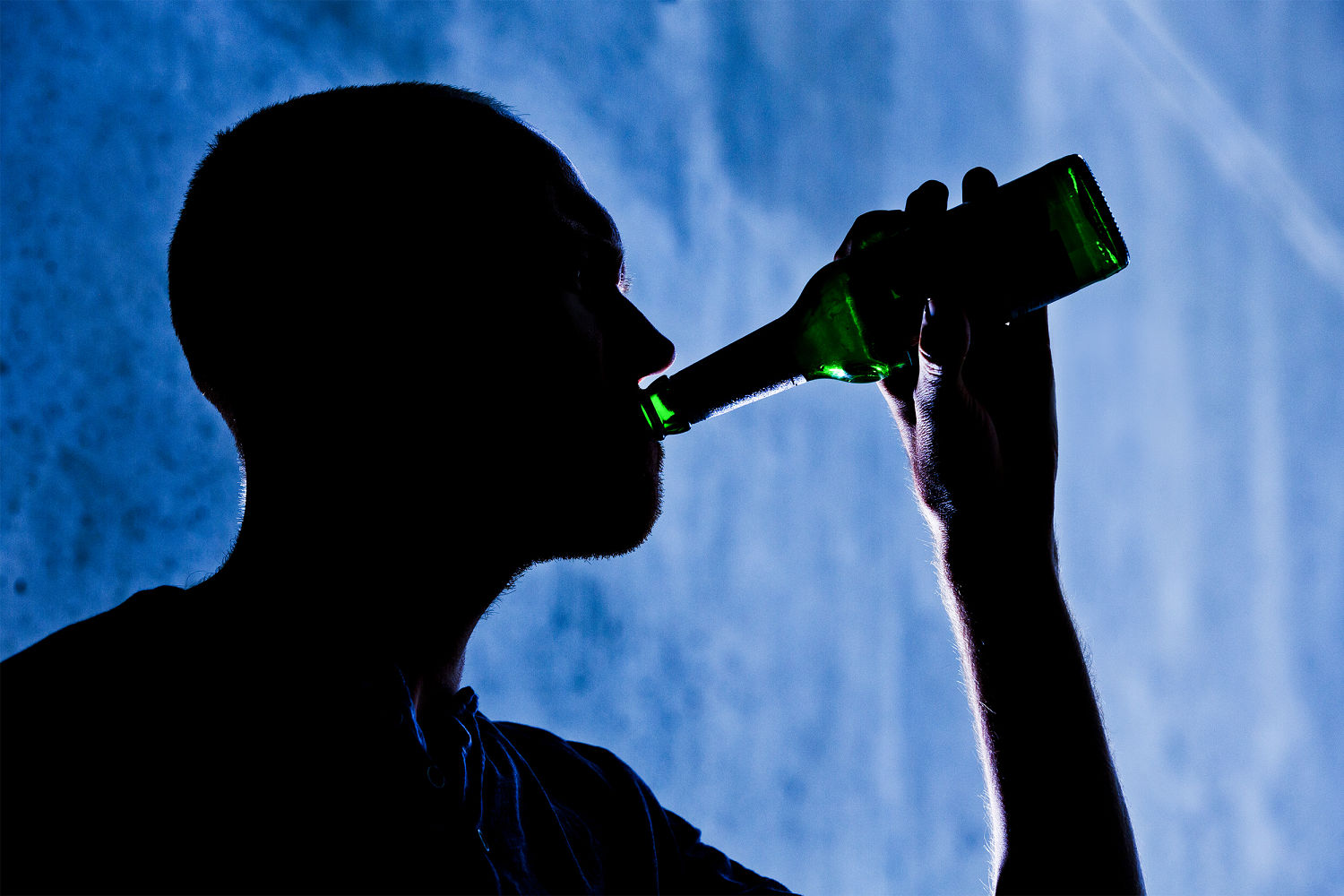
Alcohol use disorder is perhaps the most immediate frontier for this research. The data is moving from anecdotal to empirical at a staggering pace. A recent study utilizing electronic health records of nearly 83,000 patients with obesity showed that those on semaglutide had a 50% to 56% lower risk of both incident and recurrent alcohol use disorder compared to those on other weight-loss medications.
This isn't just a side effect of weight loss. It is a direct neurological intervention.
Patients frequently report a phenomenon known as "food noise" disappearing within days of their first injection. For a heavy drinker, that "noise" is the constant, low-level internal monologue planning the next drink. When that monologue goes silent, the psychological burden of sobriety drops significantly. We are seeing a shift from "white-knuckling" it through the day to a state of neutral indifference.
However, the pharmaceutical industry is notoriously cautious about "lifestyle" crossover. Alcoholism carries a social stigma that obesity is only just beginning to shed. Convincing a board of directors to fund a multi-billion dollar trial for an addiction indication is a harder sell than a drug for a chronic metabolic condition, despite the massive public health burden alcohol places on the economy.
The Opioid Crisis Meets the Next Generation of Pharma
While alcohol is the most visible target, the opioid crisis is the most lethal. The challenge here is the sheer intensity of the withdrawal and the permanence of the neurological changes caused by long-term fentanyl or heroin use.
Preclinical research suggests that GLP-1s can reduce the self-administration of oxycodone. More importantly, they may reduce the "priming" effect—the trigger that causes a recovered addict to relapse after a single exposure. If a medication can insulate the brain against that initial rush, the path to long-term recovery becomes a realistic highway rather than a tightrope.
The Problem of the Anhedonia Trap
There is a catch. If you dampen the reward system to stop someone from wanting heroin, do you also stop them from wanting a sunset, a good meal, or a hug?
This is the "anhedonia" risk. Critics and some neurobiologists worry that by flattening the dopamine peaks, we might be creating a baseline of emotional grayness. If the drug makes nothing feel "great," the patient might stop the medication just to feel something again. Early patient reports are mixed. Some describe a sense of peace; others describe a lack of joy in things they used to love.
We are essentially retooling the human drive mechanism. That isn't something to be done lightly. If we successfully mute the "craving" for opioids but also mute the "craving" for life, have we actually solved the problem?
The Economic Barrier to Access
Even if the science is settled, the math is not. GLP-1 medications are prohibitively expensive. In the United States, a monthly supply of Wegovy or Zepbound can run upwards of $1,000. Insurance companies are already balking at the cost of covering these drugs for weight loss. Expanding the criteria to include the millions of Americans struggling with substance use disorders would create a fiscal tidal wave.
There is a dark irony here. The populations most affected by the opioid epidemic and chronic alcoholism are often the ones with the least access to high-end, branded pharmaceuticals. If these drugs remain a luxury good, they will do nothing to move the needle on public health statistics. They will simply be a tool for the wealthy to optimize their habits.
The patent landscape complicates this further. As long as Novo Nordisk and Eli Lilly hold the keys to these molecules, the price will stay high. We are years away from generic liraglutide or semaglutide becoming a cheap, mass-market solution for the rural clinics currently drowning in the fentanyl wave.
A New Definition of Recovery
We have spent a century treating addiction as a psychological battleground. We used therapy, support groups, and incarceration. None of it has successfully blunted the rising rates of overdose and alcohol-related deaths.
The emergence of GLP-1s forces us to admit that addiction is a physiological glitch. If a weekly injection can do what ten years of talk therapy couldn't, we have to rethink the entire recovery industry. The "tough love" approach and the "one day at a time" mantra are powerful for many, but they are often fighting against a brain chemistry that is physically incapable of saying no.
The Hidden Risks of Off-Label Use
Because these drugs are already on the market, we are seeing a "Wild West" of off-label prescribing. Doctors are hearing the success stories and giving scripts to patients who aren't obese or diabetic but are desperate to stop drinking. This is risky.
We don't yet know the long-term effects of GLP-1s on people with a healthy Body Mass Index (BMI). We don't know if the dosage required to stop an opioid craving is the same as the dosage required to treat Type 2 diabetes. Using these medications without specific clinical protocols for addiction is a massive experiment being conducted in real-time on a vulnerable population.
The Future of the Craving Molecule
Researchers are already looking at the next iteration. "Dual agonists" and "triple agonists" that target GLP-1, GIP, and glucagon receptors are in the pipeline. These could be even more potent at resetting the brain's reward threshold.
We are looking at a future where "craving" itself is a treatable symptom. Whether it's nicotine, gambling, or binge eating, the common denominator is the hijacked dopamine loop. If we can stabilize that loop, we change what it means to be human in a world designed to overstimulate us.
The pharmaceutical industry is sitting on a tool that could theoretically empty out rehab centers. The question is whether our healthcare infrastructure and our social stigmas will allow that to happen, or if we will continue to demand that the addicted "earn" their sobriety through suffering rather than chemistry.
Contact your local health provider to see if they are participating in the ongoing clinical trials for GLP-1s in addiction treatment.