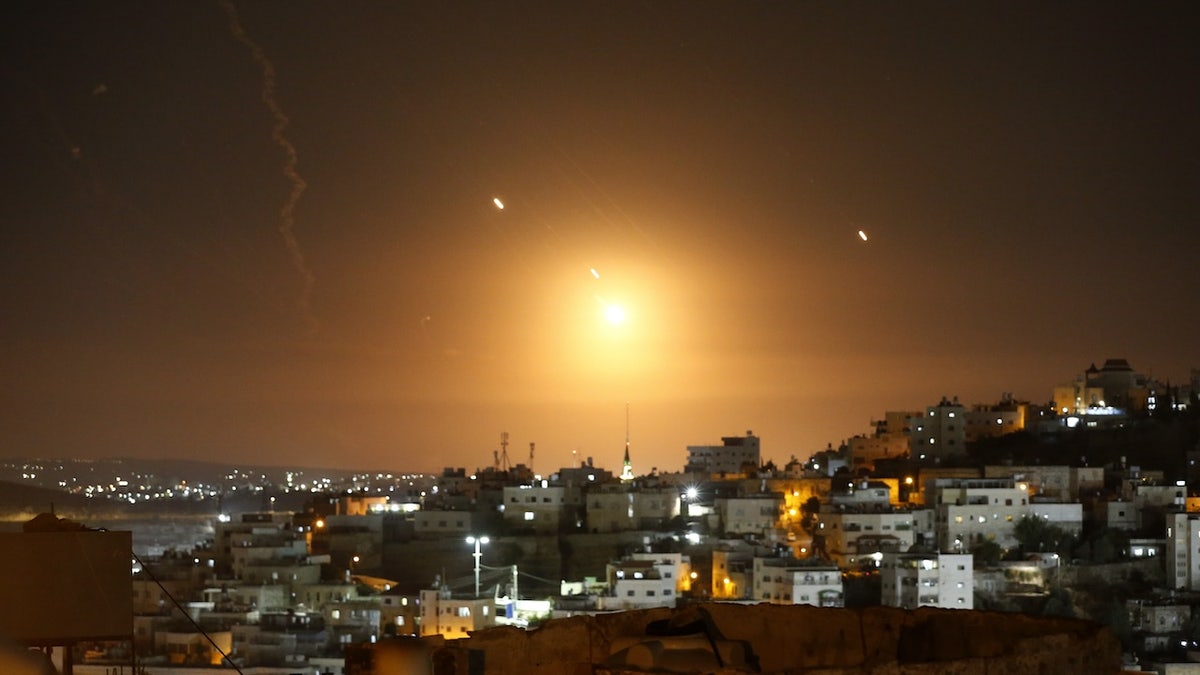
The precision strike on a hotel in the heart of Beirut marks a calculated shift in the mechanics of modern urban warfare. When a missile finds its way into a high-rise hospitality structure, it does more than just neutralize a target. It dismantles the long-held assumption that international hubs, media centers, and civilian lodging serve as de facto sanctuaries during high-intensity conflict. For decades, the "hotel press corps" and the "diplomatic lounge" were the unofficial red lines of Middle Eastern skirmishes. Those lines have been erased.
The targeting of a hotel in a densely populated urban center like Beirut is not an accident of geography. It is an intentional message regarding the reach and intelligence capabilities of the Israeli Air Force (IAF). While early reports focus on the immediate casualty counts and the shattered glass of the lobby, the real story lies in the intelligence vacuum that this strike fills. To hit a specific floor or room in a functioning hotel requires more than just satellite imagery. It requires real-time, human-level verification. This wasn't a carpet-bombing of a neighborhood; it was a surgical removal that signaled no one is out of reach, regardless of their proximity to foreign journalists or diplomatic staff.
The End of the Sanctuary Myth
Wars used to have waiting rooms. In previous conflicts in Lebanon, certain hotels functioned as neutral ground where reporters, aid workers, and displaced elites could operate with a reasonable expectation of safety. This unspoken agreement allowed for a degree of observation and humanitarian flow even as the suburbs burned. That era ended the moment the first kinetic projectile pierced the facade of a central Beirut landmark.
By moving the target list into the commercial heart of the city, the IAF is forcing a psychological recalculation for every resident and visitor. The goal is to create a sense of omnipresent vulnerability. When a hotel becomes a target, every building with a lobby and a concierge becomes a potential liability. This tactic seeks to isolate the intended targets by making their mere presence a death sentence for everyone around them. It turns the civilian population into an unwilling shield that has no desire to be one.
Intelligence Persistence and the Digital Trail
To understand how these strikes are executed, we have to look at the "Kill Chain." In the past, locating a high-value target meant months of surveillance and intercepted radio chatter. Today, the digital footprint of a modern hotel makes it an intelligence goldmine. Every Wi-Fi log-in, every keycard swipe, and every food delivery order creates a data point.
When intelligence agencies combine these digital breadcrumbs with advanced facial recognition from street-level cameras, the "safe house" ceases to exist. The hotel, once a place to hide in plain sight among the crowds, is now a glass box. The IAF isn't just watching the building; they are monitoring the flow of data coming out of it. If a specific individual checks into a room, the window of time between their arrival and a strike is narrowing to minutes rather than hours.
The Tactical Rationale vs. Strategic Cost
From a purely military perspective, the rationale for hitting a hotel is straightforward. If a commander or a logistics coordinator for an armed group uses a hotel as an operations base, the building loses its protected status under certain interpretations of international law. The military logic dictates that the value of the target outweighs the "collateral" damage of the surrounding architecture.
However, the strategic cost is a different matter entirely. Every time a civilian structure in a capital city is leveled, the geopolitical blowback intensifies. The optics of a burning hotel, synonymous with international travel and civilian life, provide a visual shorthand for "total war." This erodes the international support that Israel relies on for long-term operations. It shifts the narrative from a targeted counter-terrorism operation to an unrestrained assault on the infrastructure of a sovereign state.
The Urban Warfare Evolution
We are seeing a transition to what analysts call "High-Density Kinetic Engagement." In this environment, the distinction between the front line and the rear guard is gone. Beirut is a city of layers—ancient history, modern commerce, and deep-seated political divisions. When a strike hits the center, it vibrates through all those layers simultaneously.
The technical execution of these strikes involves GBU-39 Small Diameter Bombs or similar precision-guided munitions. These are designed to penetrate reinforced concrete before detonating, minimizing the "splash" to neighboring buildings while ensuring the total destruction of the interior target. The engineering is flawless, but the social impact is chaotic. The precision of the weapon does not negate the imprecision of the fear it sows.
The Silence of the Diplomatic Core
What is most striking about the recent Beirut hotel hit is the muted response from global powers. In years past, the bombing of a central city hotel would trigger immediate, high-level condemnations and emergency UN sessions. Now, it is met with "monitoring the situation" and "urging restraint."
This silence suggests a grim acceptance of the new rules of engagement. The international community appears to have conceded that urban centers are no longer off-limits if "actionable intelligence" is cited. This precedent is dangerous. It sets a standard where any city, from Kyiv to Beirut to Gaza, can have its civilian heart ripped out as long as the attacker claims a "military necessity" was hiding behind the curtains of Room 402.
The Displacement of the Elite
There is a secondary effect to these strikes that rarely makes the front page. For months, the wealthier segments of Lebanese society and the expatriate community felt a sense of insulation from the border skirmishes in the south. They continued to frequent the cafes and hotels of central Beirut.
The hotel strike shattered that bubble of normalcy. We are now seeing a "quiet exodus" of the professional class. When the hotels are no longer safe, the business infrastructure of the country begins to fail. This is economic warfare by proxy. By making the city uninhabitable for the people who keep its economy tethered to the global market, the pressure on the local government and its military wings becomes unbearable.
Counter-Arguments and the Fog of Verification
Proponents of the strikes argue that groups like Hezbollah have long utilized civilian infrastructure to shield their command-and-control centers. They point to historical precedents where hotels were used as tactical headquarters because of their superior communication links and central locations. If the enemy hides in the lobby, the argument goes, then the lobby becomes the front line.
The problem with this justification is the lack of transparent post-strike verification. We are often asked to take the word of the attacking military that the target was present and the strike was "clean." In the aftermath of the smoke and the sirens, the evidence is often buried under tons of rubble. The "why" becomes a matter of faith rather than a matter of fact. This lack of transparency fuels the cycle of radicalization, as the local population sees only the destruction of their city, not the "neutralization" of a combatant.
The Logistics of a High-Rise Hit
- Pre-Strike Surveillance: Drones (UAVs) maintain a "persistent stare" over the target for 24-48 hours.
- Ammunition Selection: Use of delayed-fuse munitions to ensure the blast occurs inside the structure, preventing premature detonation on the exterior skin.
- Signal Jamming: Localized electronic warfare to prevent the target from receiving a warning or detonating counter-measures.
- Exit Strategy: Calculating the flight path to avoid Lebanese air defense and minimize the time spent in hostile airspace.
A City Under the Microscope
Beirut is currently the most surveyed city on earth. Between the "humint" (human intelligence) on the ground and the "sigint" (signals intelligence) in the air, there is no such thing as a private conversation or a secret meeting. The hotel strike is the physical manifestation of this total surveillance state.
For the people of Lebanon, the sky has become a source of constant, low-frequency dread. The hum of drones is the soundtrack to daily life. The strike on the hotel wasn't just a military action; it was a demonstration of dominance over the very idea of urban safety. It tells the world that there are no more "safe zones," only targets that haven't been hit yet.
The international community must decide if it is willing to accept the normalization of hotel bombings as a standard feature of modern conflict. If the answer is silence, then the "Beirut Model" will soon be exported to every other theater of war. The walls of a hotel are thin, and they offer no protection against a world that has decided that the rules of sanctuary no longer apply.
The next time a missile hits a lobby, don't look at the rubble. Look at the data that led the missile there. That is where the real war is being fought, and that is where the concept of civilian safety is truly being dismantled.
Check the flight paths of the drones currently circling the Mediterranean.