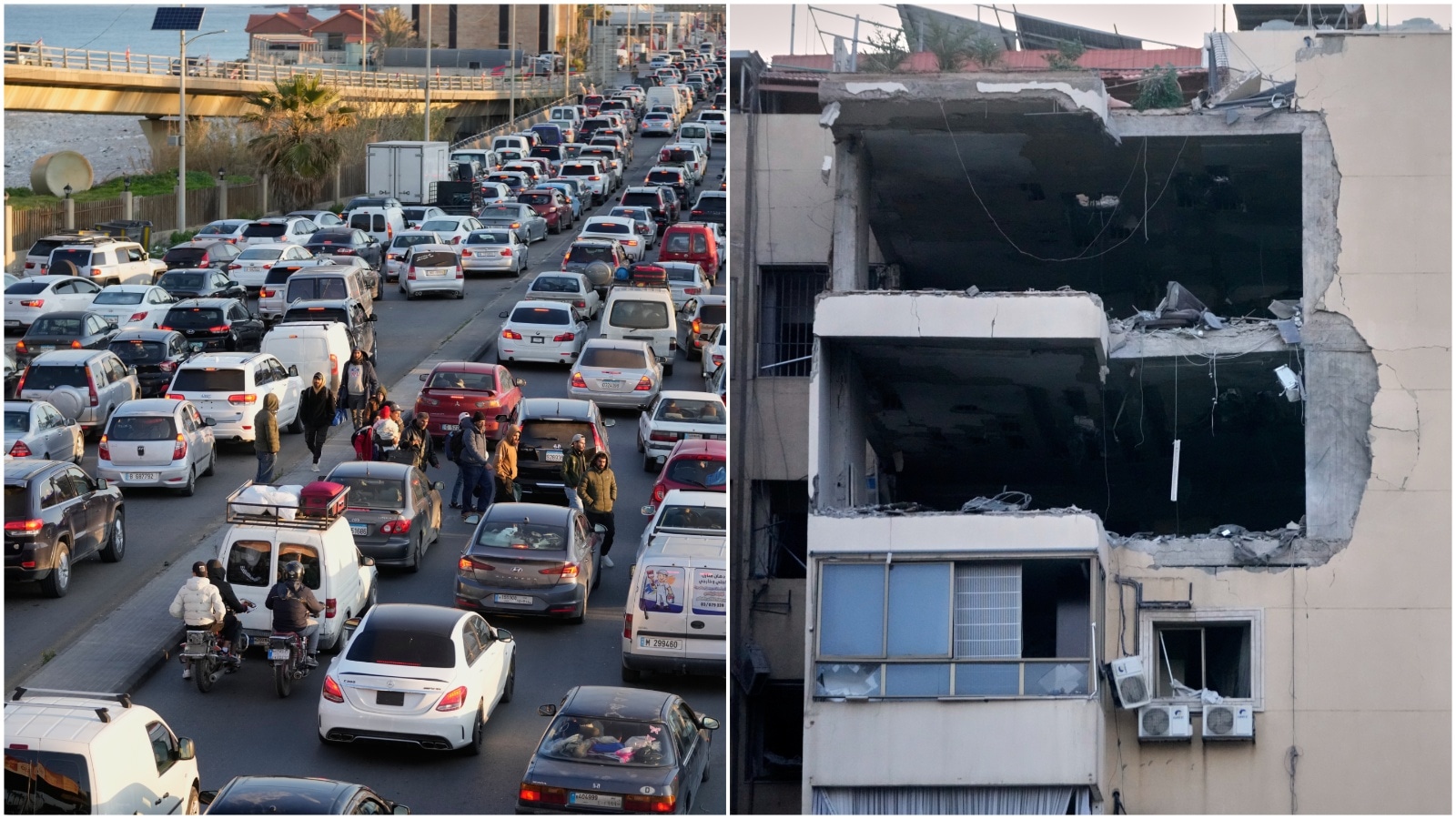
The pre-dawn explosions that rocked the Dahieh district of Beirut this morning were not merely a response to a few stray rockets. They were the opening chords of a calculated symphony of escalation. After decades of shadow boxing and the devastating 2024 ground war, the conflict between Israel and Hezbollah has entered a terminal phase, triggered by the decapitation of the Iranian regime.
When Israeli jets leveled several blocks in the Lebanese capital at 3:00 AM, the official objective was the "precise targeting" of Hezbollah’s intelligence apparatus, specifically the elimination of Hussein Makled. However, the underlying strategic reality is far more ruthless. Israel is no longer content with containing Hezbollah; it is moving to permanently decouple the group from the Lebanese state while its primary benefactor in Tehran is in total disarray following the death of Ali Khamenei.
The Decapitation Ripple Effect
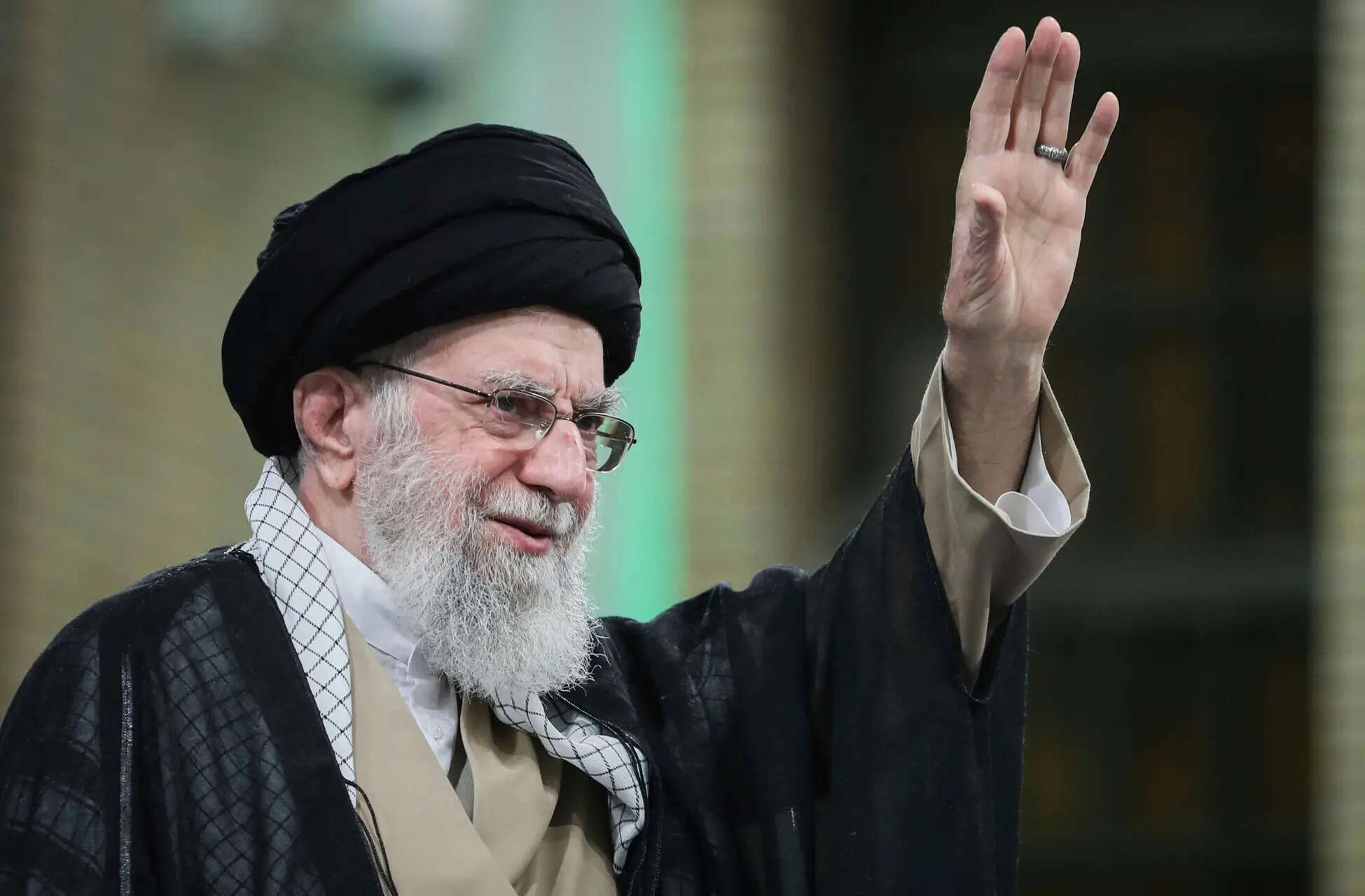
The current violence is a direct consequence of the "Second Iran War" that ignited just days ago. On March 1, 2026, the confirmation of the death of Iranian Supreme Leader Ali Khamenei—reportedly killed in a joint U.S.-Israeli strike campaign—removed the ideological and financial North Star for the entire "Axis of Resistance." For Hezbollah’s new Secretary-General, Naim Qassem, the choice was binary: remain silent and watch the movement’s credibility vanish, or strike back and risk the total destruction of what remains of his organization.
Qassem chose the latter, launching a volley of rockets and UAVs toward Haifa and northern Israel from south of the Litani River. It was a symbolic gesture of "revenge" for Khamenei, but it gave the Israeli military exactly the pretext it needed to resume high-intensity operations that the November 2024 ceasefire had only temporarily paused.
Why Beirut is the Target
The decision to strike Beirut, rather than just the border regions, serves three distinct Israeli strategic goals:
- Intelligence Paralysis: By killing Hussein Makled, the head of Hezbollah’s Intelligence Directorate, Israel has blinded the group’s ability to coordinate complex retaliatory strikes during a period of massive internal restructuring.
- Financial Strangulation: The overnight strikes also targeted the Qard al-Hasan association, Hezbollah’s "grey market" banking system. In an economy like Lebanon's, which is already in a state of terminal collapse, destroying the group's ability to pay its fighters and social base is more effective than any missile.
- Forcing the State’s Hand: For the first time in Lebanese history, the central government is openly turning on the militia. Prime Minister Nawaf Salam’s immediate condemnation of the strikes as "irresponsible acts" and his subsequent ban on all Hezbollah military activity signals a shift in the domestic power balance.
The Failed Ceasefire of 2024
To understand why we are here, one must look at the wreckage of the 2024 ceasefire. That agreement, brokered by the U.S., was built on the shaky premise that the Lebanese Armed Forces (LAF) could disarm a militia that has spent forty years embedding itself into the country's social fabric.
The LAF was tasked with taking "operational control" of the territory south of the Litani River by early 2026. In reality, the Lebanese army is under-equipped, understaffed, and terrified of sparking a sectarian civil war. This vacuum allowed Hezbollah to replenish roughly 20% of its pre-2024 weapon stockpiles using maritime routes and domestic drone production. Israel’s "policing operations" over the last year—more than 700 individual strikes since the ceasefire—were a clear signal that the IDF had no intention of letting that rebuilding process reach critical mass.
The Iranian Variable
Tehran is currently a cornered animal. With the supreme leadership in flux and its navy reportedly "knocked out" in the Persian Gulf, Iran’s ability to project power through its proxies is at its lowest point in decades.
There is a growing school of thought among regional analysts that Hezbollah is being used as a sacrificial pawn. By drawing Israel into a wider Lebanese front, the remnants of the IRGC in Tehran may hope to distract the U.S. and Israel from their primary goal: the total dismantling of Iran’s nuclear and missile infrastructure.
However, this strategy assumes Hezbollah still has the capacity to fight a multi-front war. They don't. The group lost nearly 45% of its combat force and almost its entire senior command tier in the 2024 invasion. What remains is a leaner, more desperate version of the group, relying on low-cost loitering munitions and long-range drones rather than the sophisticated precision missiles that once defined its deterrent.
The Humanitarian Toll of Strategic Logic
The Lebanese Ministry of Health reports at least 31 dead and nearly 150 injured from the overnight strikes. Families are once again fleeing the south toward Sidon, clogging roads in a scene that has become a tragic staple of Lebanese life.
Unlike previous conflicts, there is no international appetite for a face-saving diplomatic exit. The U.S. administration has framed the current campaign against Iran and its proxies as a necessary corrective to "stop Tehran’s ability to project power." In this environment, Beirut is not just a city; it is a laboratory for a new type of middle-eastern warfare where the distinction between "political integration" and "terrorist infrastructure" has been completely erased.
The ban on Hezbollah's military activities by the Lebanese cabinet is a bold move, but without the physical means to enforce it, the decree is merely words on a page. The Lebanese state is now caught in a pincer movement: on one side, an Israeli military determined to finish the job it started in 2024, and on the other, a weakened but still dangerous Hezbollah that views this conflict as a struggle for its very existence.
As Israeli jets continue to circle over the Mediterranean and Hezbollah cells move their remaining mobile launchers into the mountains of the Bekaa Valley, the "controlled instability" of the past year has vanished. What remains is a raw, high-stakes gamble to reshape the Levant while the world's attention is fixed on the burning ruins of Tehran. The strikes in Beirut are not the end of a cycle of violence; they are the start of a final, bloody reckoning.