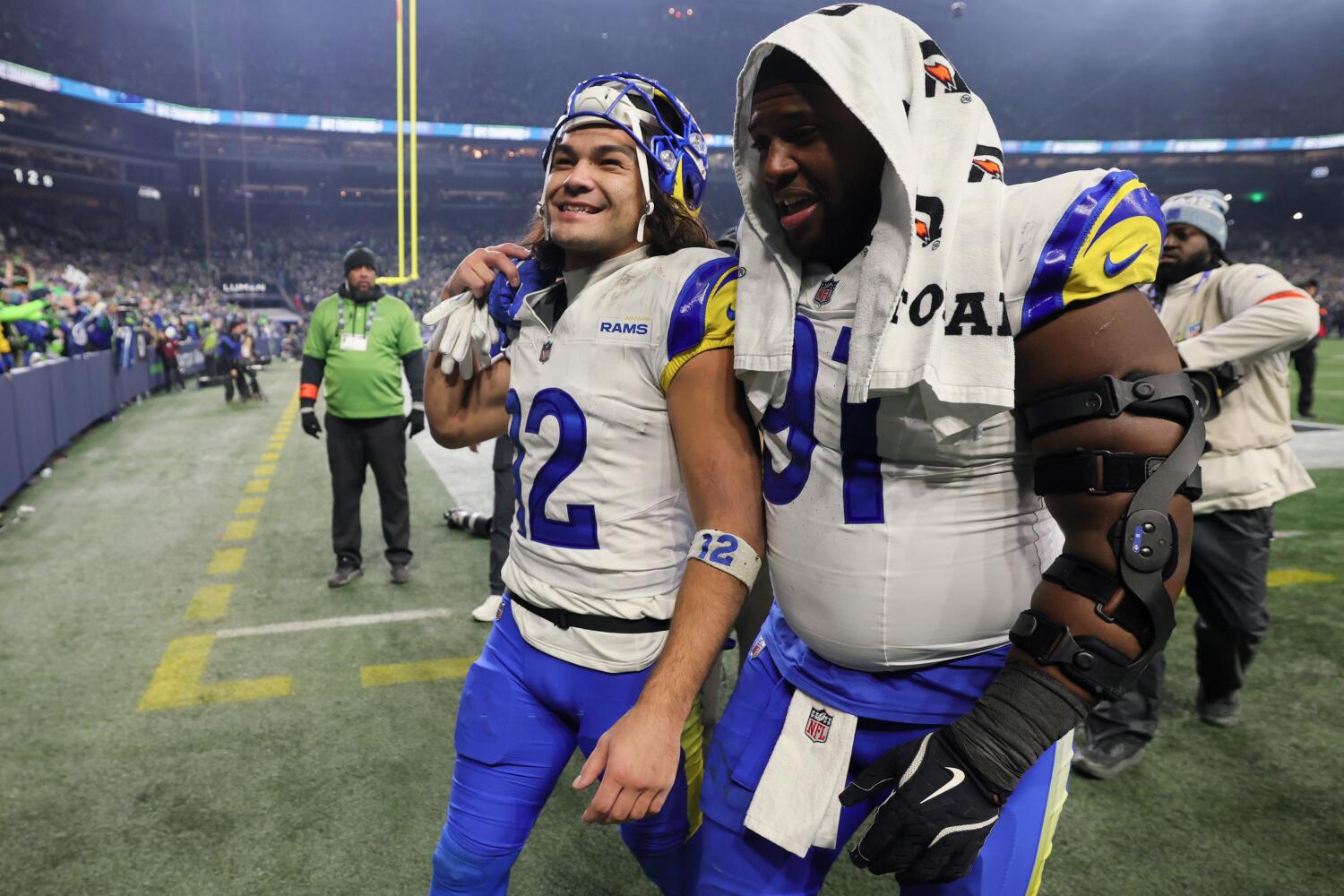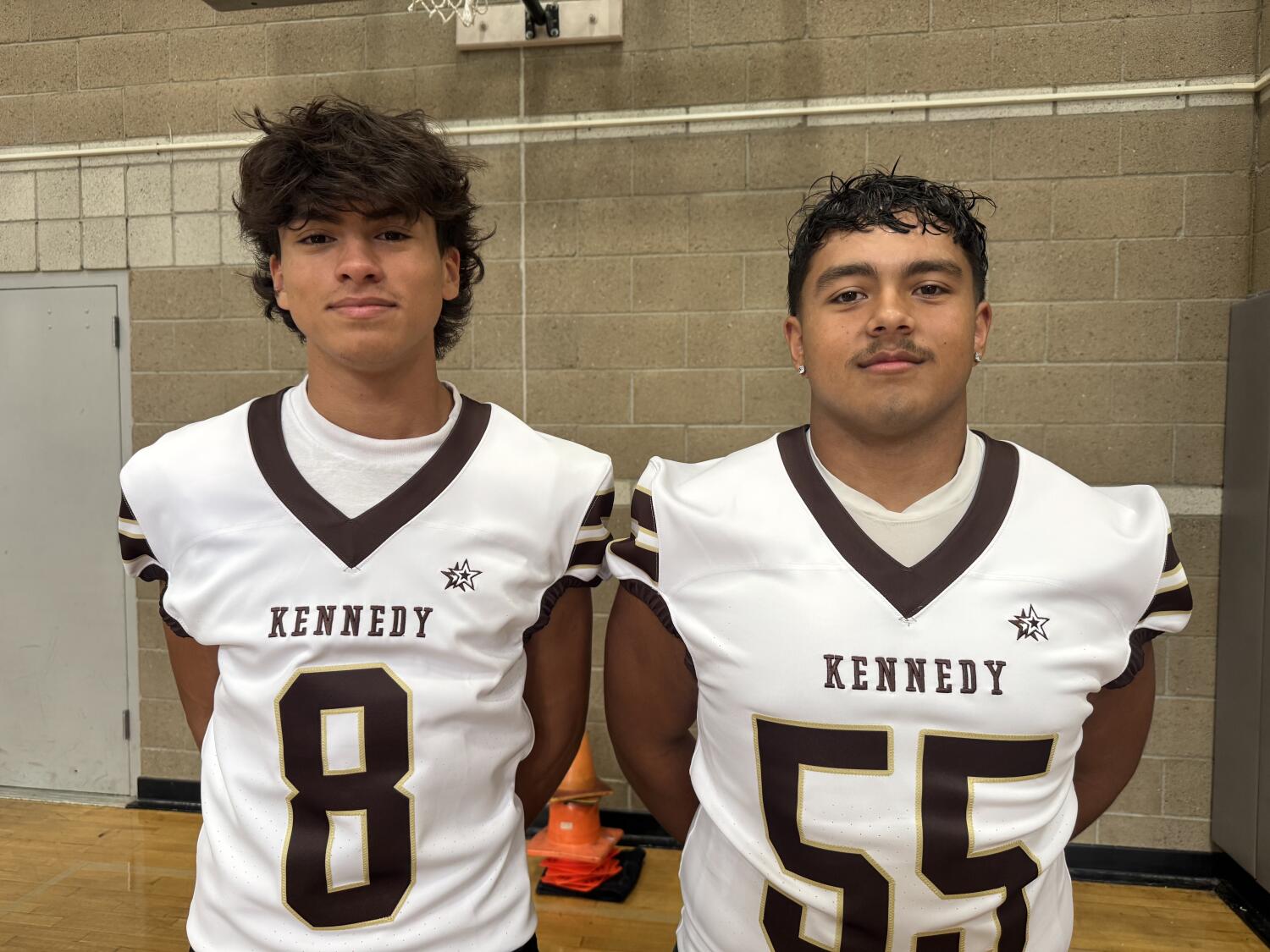
The local sports banquet is a relic of a participation-trophy era that we pretend is about "excellence." Every year, high schools across the country rent out generic VFW halls or hotel ballrooms to "honor" football student-athletes. There are rubbery chicken breasts, awkward slideshows set to mid-tempo pop songs, and a litany of plaques that will eventually gather dust in a garage.
We tell ourselves these events are the pinnacle of the season. We are wrong.
These banquets don't celebrate achievement; they institutionalize mediocrity. By flattening the distinction between "showing up" and "dominating," we are doing a massive disservice to the very athletes we claim to support. If we want to actually honor the grind of a football season, we need to stop the performative back-patting and start looking at what these events actually signal to a seventeen-year-old’s brain.
The Myth of the "Student-Athlete" Balance
The term "student-athlete" was coined by the NCAA in the 1950s as a legal maneuver to avoid paying workers' compensation. Today, we use it as a shield to justify a grueling schedule that would make a corporate executive flinch. At these banquets, speakers love to drone on about the "perfect balance" these kids have achieved.
Let's be real. There is no balance.
If you are a high-level football player in a competitive district, you are working a full-time job that starts with 6:00 AM film sessions and ends with 7:00 PM practice wraps. Then you go home and try to tackle AP Physics. You aren't "balancing" two worlds; you are surviving a collision between them.
When we hand out an "Academic Achievement" award at a banquet, we treat it like a bonus. It’s framed as: "Look, they can play ball and read!" This soft bigotry of low expectations is insulting. We should be asking why the system is designed to make academic success an outlier for athletes rather than the baseline.
The Participation Trap
The competitor’s take on these banquets is always the same: "It's a chance for the community to come together and celebrate every player’s contribution."
That sounds lovely. It’s also a lie.
Football is a brutal, meritocratic sport. On the field, the scoreboard doesn't care about your "contribution" if you missed the block that led to a sack. Yet, at the banquet, we spend three hours pretending every player on the 60-man roster was equally vital to the 4-6 season.
This creates a psychological feedback loop called Effort-Reward Misalignment.
When the kid who cut weight, spent his summer in the scorching heat, and played through a grade-one ankle sprain receives the same "Varsity Letter" ceremony as the kid who coasted through practice and barely saw the field, the value of that letter drops to zero.
The Economics of the Plastic Trophy
If you want to see where a program’s priorities lie, look at the budget. Thousands of dollars are funneled into these year-end galas. That’s money that could have gone toward:
- Professional Grade Recovery Tools: Compression gear and cold plunge setups that actually prevent long-term injury.
- Neurological Baseline Testing: Real data on concussion risks, not just "shaking it off."
- Nutrition Programs: Replacing the vending machine culture with actual fuel.
Instead, we spend it on a piece of wood with a gold-painted plastic man on top. We are trading long-term physical health and performance for a momentary hit of dopamine in a banquet hall.
The Hidden Trauma of the "Highlight Reel"
Watch any banquet slideshow. It’s a curated sequence of touchdowns, big hits, and celebrations. It completely erases the reality of the sport.
I’ve sat in rooms where a kid is watching his "season highlights" while wearing a knee brace from an ACL tear that just cost him his D1 scholarship. The disconnect is nauseating. The banquet serves the parents’ ego and the school’s PR machine. It does not serve the athlete who is currently grappling with the fact that their identity just evaporated on a turf field in October.
We need to stop sanitizing the sport. If we are going to have a banquet, show the missed tackles. Show the film of the offensive line failing to communicate. Show the struggle. Honor the process of failing and getting back up, rather than just the three seconds where someone managed to dance in the end zone.
The "People Also Ask" Fallacy
People often ask: "Aren't banquets good for team morale?"
No. They are good for team relief.
The morale was built in the weight room in July. By the time the banquet rolls around in December or January, the team has already fractured back into their social cliques. The banquet is a forced reunion. True morale comes from shared hardship and objective success, not from eating lukewarm pasta while a coach mispronounces your last name.
Another common question: "How else will players get recognized for their hard work?"
Recognition should be constant, internal, and earned. A player knows if they worked hard. Their teammates know. Their coaches know. If they need a formal dinner and a certificate to feel "recognized," they haven't learned the most important lesson football has to offer: The work is the reward.
The Professionalism Paradox
We claim these events prepare kids for the "real world."
In what real-world profession do you get a formal dinner and a trophy every twelve months just for doing your job? If you're an accountant and you finish tax season, your firm doesn't rent out a ballroom to give you a "Hardest Worker" plaque. They give you a bonus, or they give you more responsibility.
By framing athletic participation as an "event" that requires a gala, we are teaching kids that success is a destination you reach at the end of a season. It’s not. Success is a relentless, boring, daily grind that usually goes unnoticed.
A Better Way to Honor the Game
If I were running a program, I would kill the banquet tomorrow. Here is the contrarian blueprint for what actually matters:
- The Exit Interview: Instead of a public speech, every senior gets an hour of one-on-one time with the coaching staff. Real feedback. Real career advice. A real transition plan.
- The Alumni Endowment: Take the banquet budget and start a micro-scholarship fund for players entering trade schools or community colleges.
- The Mentorship Handover: A formal, small-scale event where seniors "hand over" the leadership of the weight room to the juniors. No parents. No fluff. Just the passing of the torch.
The current banquet model is a sedative. It lulls parents into thinking their kids are being "honored" while the system continues to grind through their joints and their time without providing real, lasting value.
We don't need more banquets. We need more honesty. We need to admit that football is a high-stakes, high-cost endeavor that requires more than a $15 plaque to justify the sacrifice.
Stop the speeches. Cancel the catering. If the season was truly great, the players don't need a banquet to remember it. And if the season was a disaster, no amount of prime rib is going to fix it.
Put the trophies in the trash and get back to the film room.