The siren didn't go off in Sydney or Melbourne, but the tension inside Australia’s nuclear monitoring rooms is real. While most of us were checking the news for updates on the US-led strikes in Iran, the experts at the Australian Radiation Protection and Nuclear Safety Agency (ARPANSA) and the Department of Foreign Affairs and Trade (DFAT) shifted to a 24/7 war footing.
It's not just about diplomacy anymore. When military strikes target a country with a sophisticated—and controversial—nuclear program, the risk of a "radiological event" stops being a theoretical exercise for Canberra. Australia has officially activated its 24/7 Crisis Centre, and for the first time in years, the phrase "nuclear emergency" is appearing in government briefings without an "if" or "maybe" attached.
The Reality of the Nuclear Watch
You might wonder why a conflict 12,000 kilometers away triggers a nuclear alert in Australia. It’s because radiation doesn't care about borders. Australia operates a sophisticated network of monitoring stations, including the recently updated radionuclide facility in Fiji, designed to catch even the smallest hint of atmospheric nuclear activity.
In the last 48 hours, Prime Minister Anthony Albanese and Foreign Minister Penny Wong have been blunt: Iran’s nuclear ambitions are a "threat to global peace." But behind the podium, the technical reality is more urgent. If a strike hits a nuclear facility—whether it's the Natanz enrichment plant or a research reactor—the fallout could be catastrophic. ARPANSA’s job is to monitor the International Monitoring System (IMS) around the clock. They’re looking for specific isotopes that shouldn't be there.
Why the Crisis Centre is Different This Time
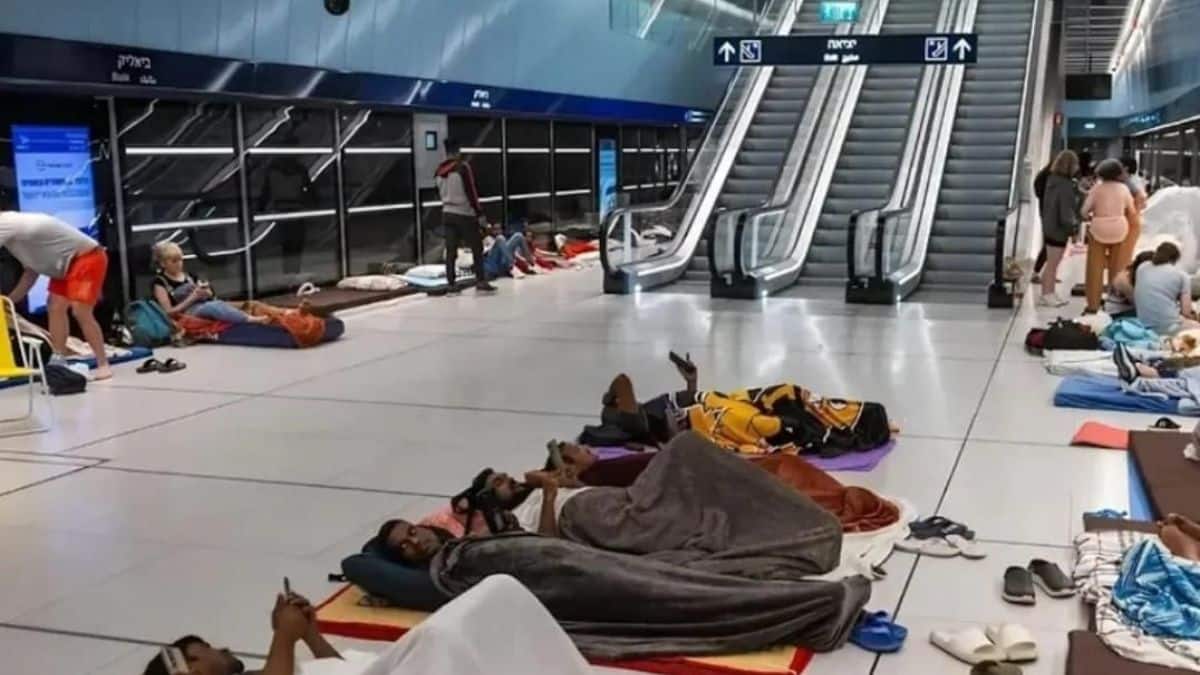
Usually, "crisis centre" means helping tourists who lost their passports. Not today. The activation of the Consular Emergency Centre (CEC) on a 24/7 basis is a response to a conflict that has already seen Iran launch missiles at civilian areas in Dubai and targets across the region.
Australia’s stance is unusually aggressive. We’ve already expelled the Iranian ambassador—a move not seen since World War II—following IRGC-linked plots on Australian soil back in 2024. This isn't just a distant war; it's the culmination of a multi-year breakdown in relations. The government isn't just "monitoring" the situation; they’re bracing for a regional explosion that could strand 115,000 Australians currently in the Middle East.
The Nuclear Facilities in the Crosshairs
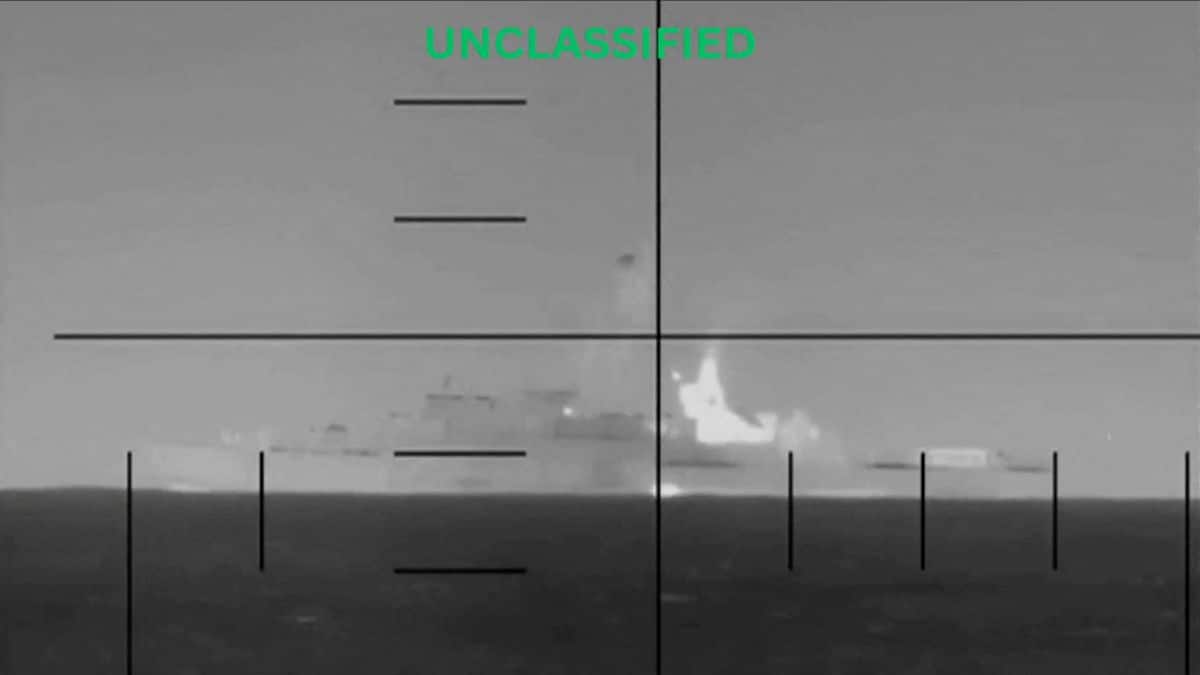
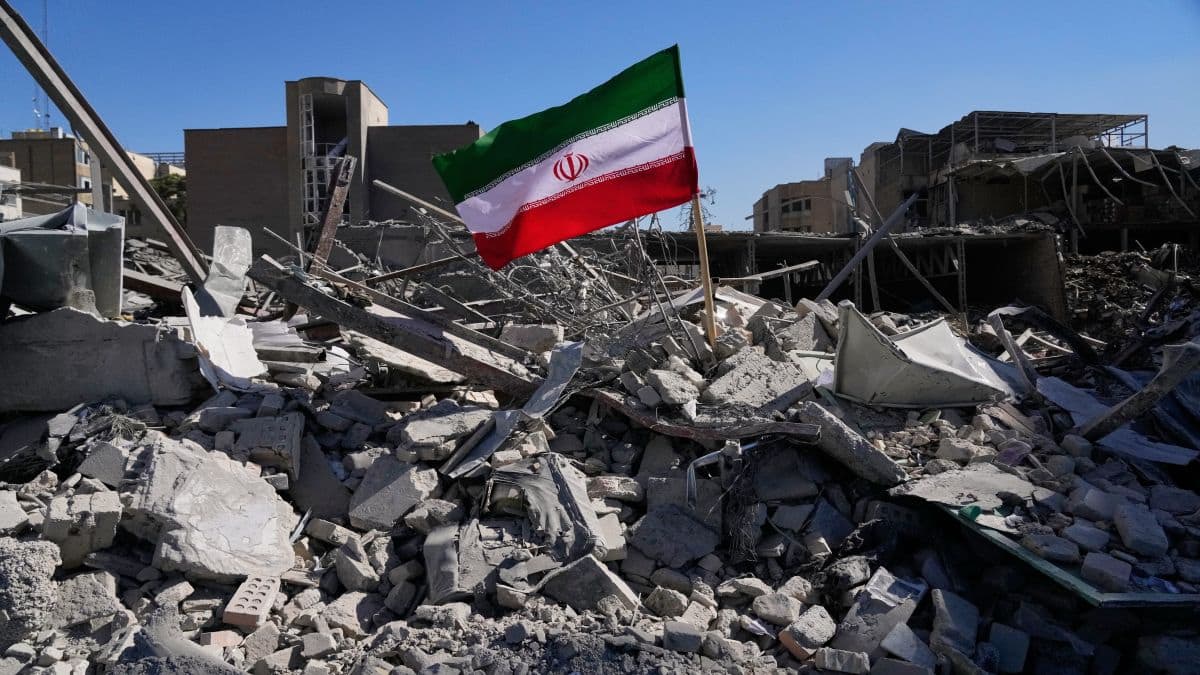
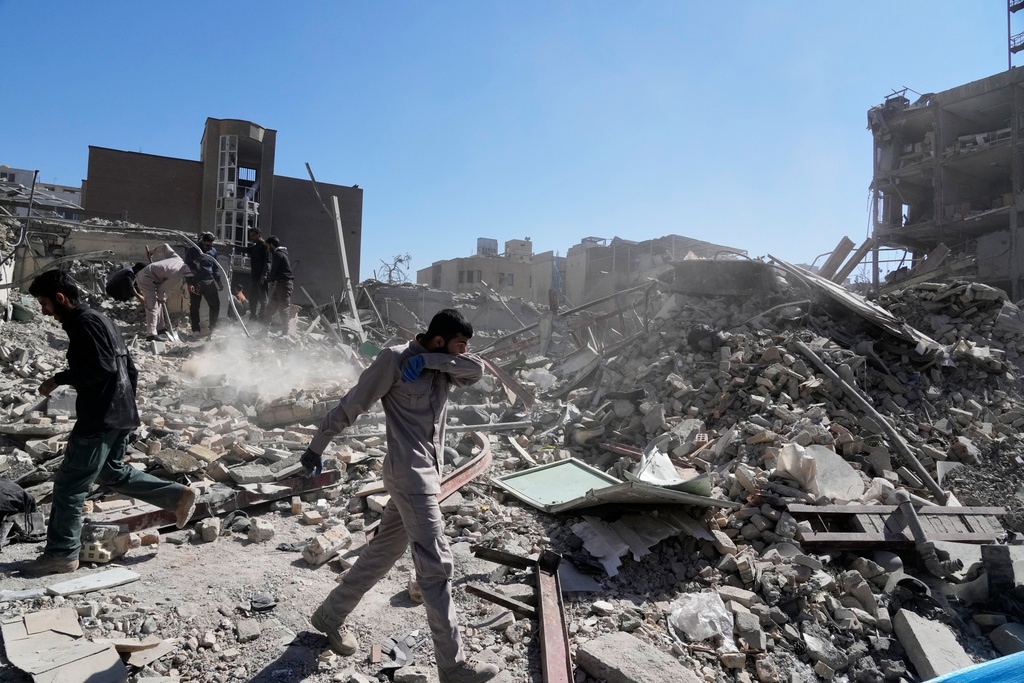
The reason for the "alert" status is the location of the strikes. The US and Israel have targeted Iranian military infrastructure, but the proximity to nuclear sites is the "red line" everyone is watching.
- Bushehr Nuclear Power Plant: An operational plant where a strike could lead to a meltdown.
- Natanz and Fordow: Deeply buried enrichment sites.
- Research Reactors: Scattered across major cities like Tehran.
IAEA chief Rafael Grossi has already warned that radiation levels in countries bordering Iran are currently normal, but the "increasing risk to nuclear safety" is what has Australian experts glued to their screens.
What This Means for Australians at Home
Don't panic—there's no immediate radiation threat to the Australian mainland. The "on alert" status is a professional posture, not a civilian warning. However, the economic and security ripple effects are already hitting.
- Travel Bans: "Do Not Travel" isn't a suggestion anymore. It applies to Israel, Lebanon, Bahrain, Kuwait, Qatar, and the UAE. If you're there, the government is telling you to leave now while the airspace is even partially open.
- Energy Security: The Maritime Union of Australia is already flagging that our fuel security is exposed. Any escalation that closes the Strait of Hormuz will hit Australian petrol pumps within weeks.
- Domestic Security: The IRGC has been listed as a terrorist organization in Australia. Security agencies are on high alert for "asymmetric" responses—cyberattacks or local proxies—right here in our backyard.
Stop Overthinking the "Nuclear" Label
It's easy to get scared when you see "Nuclear Emergency Centre" and "Alert" in the same sentence. Honestly, though, this is exactly what these agencies are paid to do. ARPANSA and the Australian Safeguards and Non-Proliferation Office (ASNO) are some of the best in the world. They’re the "smoke alarms" of the planet.
The government’s support for the US strikes is a gamble. They’re betting that taking out Iran’s capability now is safer than letting them reach "breakout" capacity. Whether you agree with that or not, the machinery of the Australian state is now fully engaged in the fallout—literally and figuratively.
If you have family in the region, your first move is the Smartraveller portal. Don't wait for a phone call. Register their details on the DFAT crisis portal immediately. The airspace is closing, and the window for "routine" evacuations is nearly shut. Keep an eye on ARPANSA’s public reports for peace of mind regarding local safety, but keep your focus on the travel alerts. Things are moving fast.