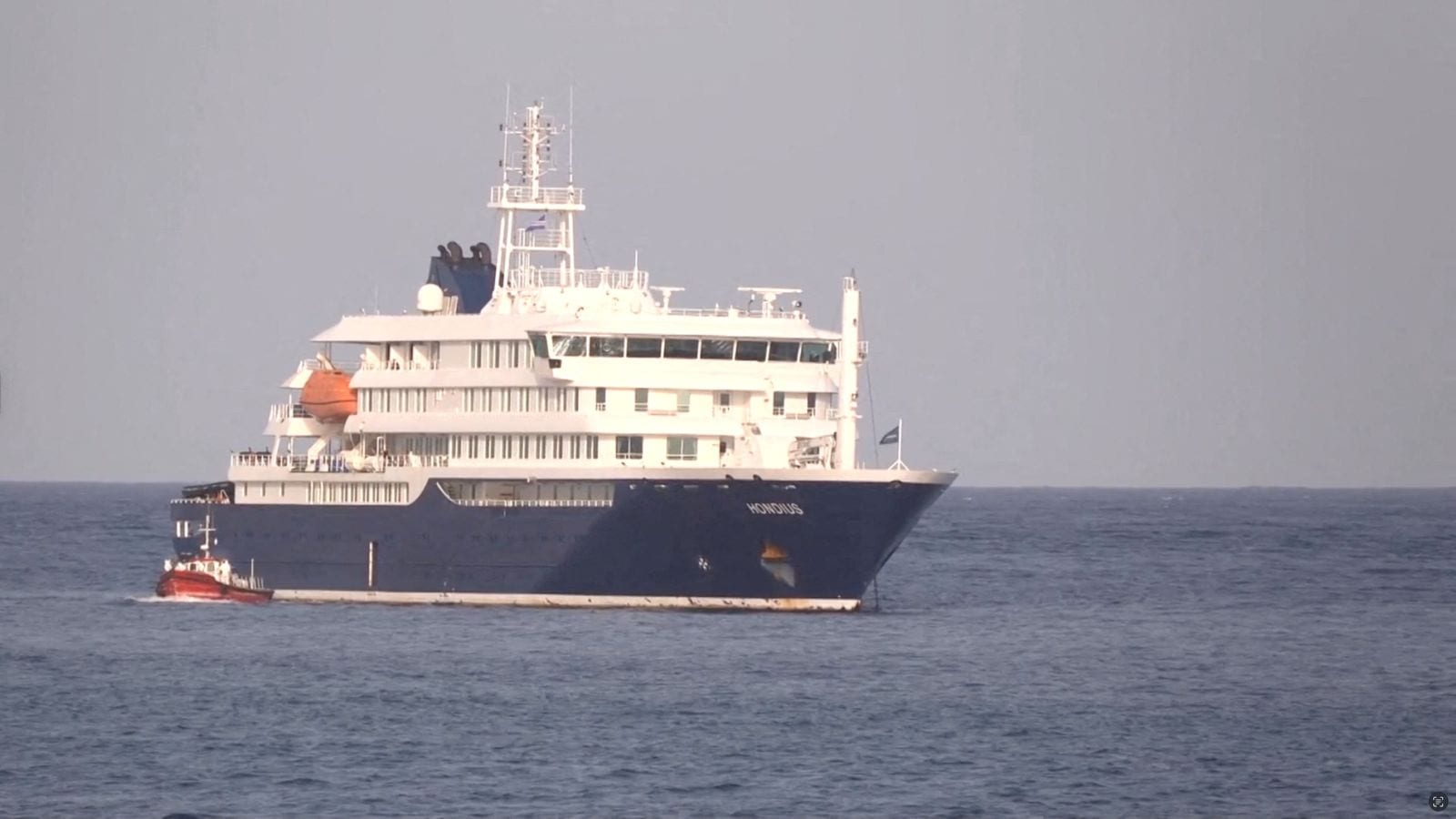
The dream of a luxury Atlantic crossing just turned into a floating quarantine ward. Right now, three people are dead and 150 more are stuck in their cabins on a high-end vessel because of a virus we usually associate with dusty barns, not Egyptian cotton sheets. This isn't your standard "stomach bug" or Norovirus outbreak that clears up with some Gatorade and bed rest. We're looking at a rare Hantavirus situation that has medical experts sweating because it's behaving in ways it shouldn't.
If you're following the news, you know the headlines are grim. The ship is currently idling in the Atlantic, barred from its next port of call while health officials try to figure out how a virus typically spread by rodent droppings is jumping from person to person. That's the terrifying part. Hantavirus is almost always a "dead-end" infection in humans. You breathe in dried mouse urine—gross, I know—and you get sick. But you don't usually give it to the person sitting next to you at the captain's dinner.
This outbreak changes the math on cruise ship safety.
Why this Atlantic Hantavirus outbreak is different
Most people think of Hantavirus Pulmonary Syndrome (HPS) as a rural problem. You're cleaning out a shed in Montana, you stir up some dust, and a week later you can't breathe. It's rare. It's isolated. It's definitely not something you expect on a billion-dollar ship in the middle of the ocean.
The current situation involves three confirmed deaths. That's a staggering mortality rate for a vacation. The 150 people currently "stranded" or under observation aren't just dealing with a ruined holiday; they're watching for the first signs of fluid filling their lungs. What makes this specific event a nightmare for the CDC and international health bodies is the suspected "human-to-human" transmission.
While the Andes virus strain in South America has shown this capability before, seeing it manifest on a cruise ship is a massive red flag. It suggests the virus has found a way to hitch a ride on respiratory droplets or direct contact between passengers. When you're trapped on a ship, even a "luxury" one with spacious decks, you're still sharing the same air filtration systems and dining surfaces.
The symptoms that caught everyone off guard
The early reports from the ship describe a deceptive start. It didn't look like a deadly virus at first. Passengers reported:
- Fatigue that felt like simple "travel exhaustion" or jet lag.
- Deep muscle aches in the thighs and hips.
- A sudden, spiking fever that didn't respond to over-the-counter meds.
By the time the third death occurred, the pattern became undeniable. The transition from "I feel a bit under the weather" to "I can't get enough oxygen" happens with frightening speed in Hantavirus cases. Once the lungs start filling with fluid—a condition called pulmonary edema—the survival rate drops significantly without intensive care. A cruise ship infirmary, no matter how well-equipped, isn't a Level 1 trauma center.
The rodent problem no one wants to talk about
How does Hantavirus get on a luxury cruise? It's the question the cruise line is desperately trying to dodge. You don't get Hantavirus without rodents. Specifically, deer mice, white-footed mice, or rice rats.
Ships are essentially giant metal floating cities. They have miles of ductwork, food storage areas, and waste management centers. If a shipment of dry goods or linens was contaminated at a port facility before being loaded, the virus enters the ecosystem of the ship.
I've seen how these supply chains work. It's a miracle this doesn't happen more often. A pallet of flour sits in a warehouse for two days. A single infected mouse leaves its mark. That pallet gets wrapped in plastic, loaded into the ship’s hold, and suddenly you have a biological ticking time bomb in the galley.
The nightmare of mid-ocean quarantine
The 150 stranded passengers are currently living through a psychological horror story. They're confined to their rooms. Food is left outside doors by crew members in full PPE. The hum of the engines is the only thing they hear.
Quarantine on land is hard enough. On a ship, you're acutely aware that you're trapped. You can't just check out and go to a different hospital. You are dependent on the ship's limited medical staff and whatever supplies can be airlifted in. The logistical challenge of managing 150 potential cases while the ship is denied entry to ports is a diplomatic mess. No country wants a "plague ship" docking at their pier, even if that ship usually caters to the 1%.
International maritime law is pretty clear about the duty to help, but "public health necessity" often wins out. This leaves the vessel in a holding pattern, waiting for a government to show some backbone or for the incubation period to pass.
The cruise industry's coming reckoning
This outbreak is going to force a total rewrite of shipboard sanitation protocols. We're past the point where a few hand sanitizer stations at the buffet entrance are enough. If Hantavirus can survive and spread in these environments, the industry has to look at:
- Air filtration overhauls: HEPA-grade filtration needs to be the standard, not an upgrade.
- Supply chain auditing: Cruise lines need to own the "last mile" of their food and linen supplies to ensure rodent-free environments.
- Rapid testing tech: Ships need on-board diagnostic kits that can identify specific viral strains in hours, not days.
Waiting for a port to send out a sample and get results back from a land-based lab is too slow. People die in that window.
What you should do if you have a cruise booked
Don't panic, but start asking questions. Most people just look at the pool photos and the shore excursions. You need to look at the boring stuff.
Check the vessel’s latest Vessel Sanitation Program (VSP) score if it sails in US waters. The CDC conducts these inspections, and they are surprisingly detailed about things like "vermin activity" and "food temperature logs." A score of 85 or lower is a huge warning sign. If your ship isn't listed or has a history of pest issues, you're taking a calculated risk.
Ask the cruise line about their current infectious disease protocols. If their answer is a canned response about "enhanced cleaning," push for specifics. Do they have PCR testing on board? What's the plan if a quarantine is triggered? You pay a premium for luxury; that premium should cover your survival, not just the quality of the champagne.
Realities of the Atlantic crossing
The Atlantic is a big, lonely place when things go wrong. These "repositioning" cruises or trans-Atlantic treks are popular because they're relaxing and often cheaper than standard week-long hops. But they also put you further away from terrestrial help.
The current outbreak proves that the environment on these ships is more fragile than we'd like to admit. You're in a closed loop. The water, the air, the food—it's all shared. When a pathogen as aggressive as Hantavirus enters that loop, the luxury of the surroundings becomes irrelevant.
The three people who died weren't "at-risk" in the traditional sense. They were travelers. Their deaths are a reminder that nature doesn't care about your cabin category.
If you're currently planning a trip, keep a close watch on the WHO and CDC bulletins regarding this specific Atlantic vessel. The names of the deceased haven't been fully released pending family notification, but the impact on the industry is already being felt. Expect many more "stranded" headlines as the 14-day incubation period plays out.
Don't wait for the cruise line to tell you it's safe. Check the data yourself. Look at the port history. Most importantly, if you feel a fever coming on after being anywhere near a ship's lower decks or storage areas, demand a viral panel immediately. Early intervention is the only thing that beats Hantavirus once it hits the lungs.
Stay off the lower decks if you don't have to be there. Avoid any areas where you see signs of maintenance or "behind the scenes" storage. The risk is low on a normal day, but as we're seeing right now, a normal day can turn into a tragedy before the next sunset. Keep your hands washed, keep your guard up, and maybe rethink that "adventure" cruise until the air clears on this outbreak.