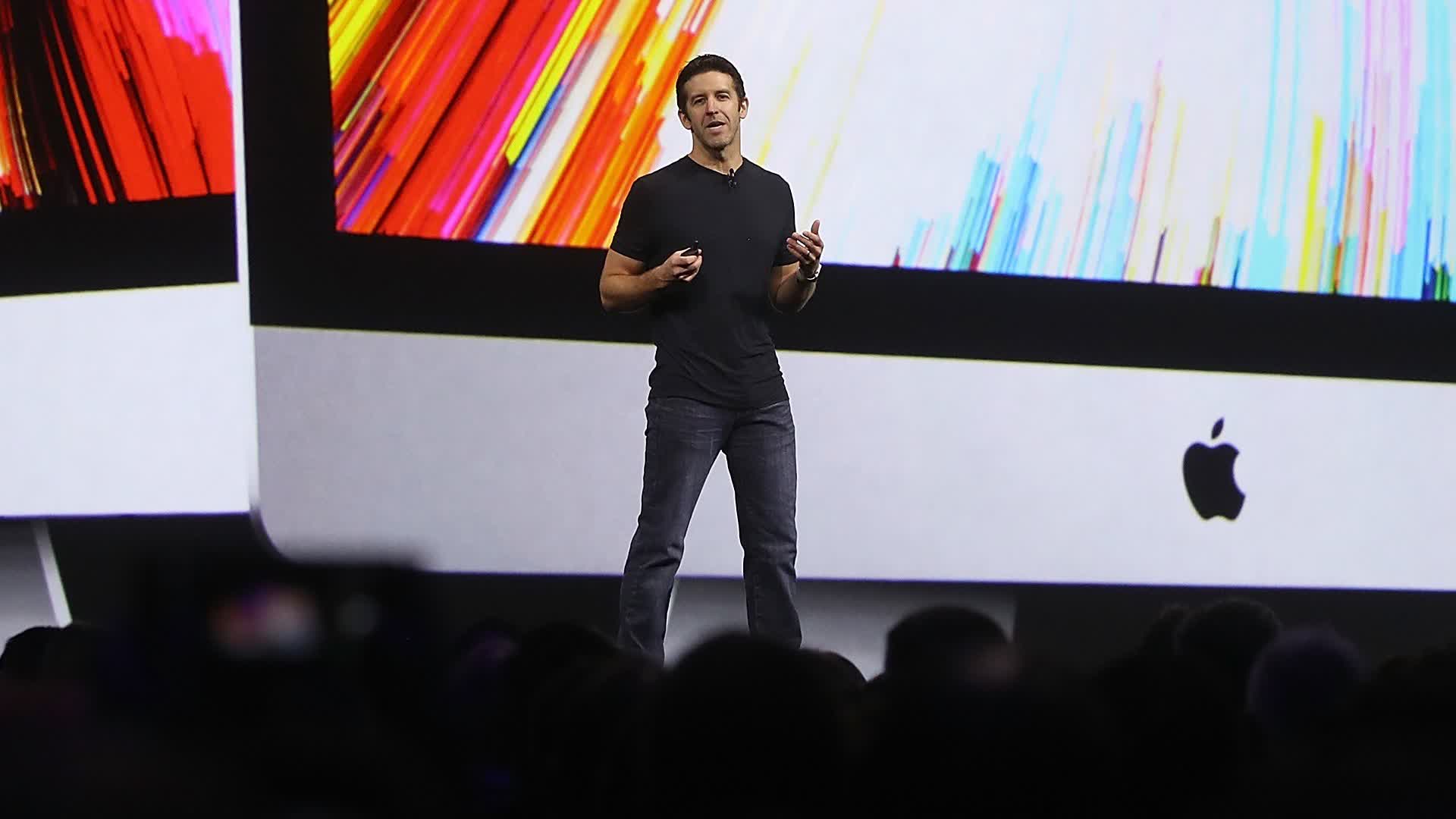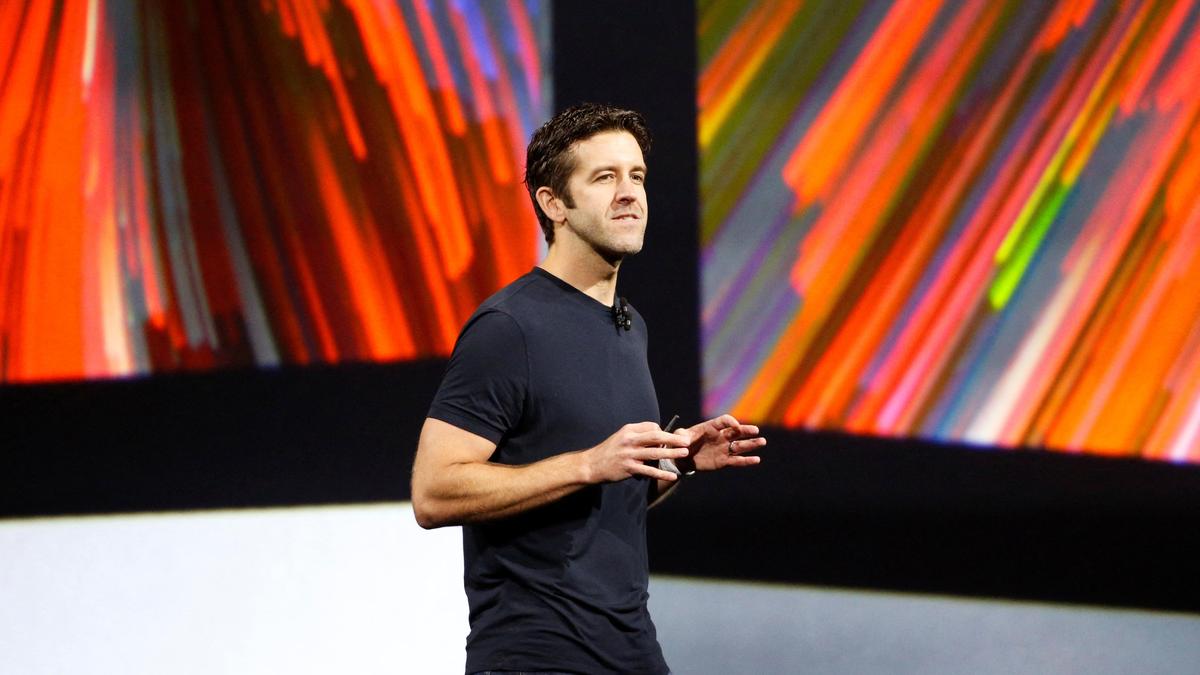
On September 1, 2026, John Ternus will assume the role of Chief Executive Officer at Apple Inc., marking the end of Tim Cook’s fifteen-year tenure. This leadership transition represents more than a personnel change; it is the execution of a long-range strategic framework designed to pivot Apple from an era of operational optimization toward a period of integrated product engineering. While Cook’s leadership catalyzed a market capitalization increase from $350 billion to $4 trillion, his departure signals a structural shift in the company’s internal power dynamics.
The board’s selection of Ternus—unanimously approved—indicates a calculated return to a "product-first" leadership model. Since joining the hardware design team in 2001 and ascending to Senior Vice President of Hardware Engineering in 2021, Ternus has functioned as the primary architect of Apple’s current hardware stack, most notably driving the transition to Apple Silicon.
The Triad of Institutional Continuity
The Apple succession model relies on three functional pillars to maintain institutional stability during the handover. This structure is intended to mitigate the "Succession Discount" often applied by markets during leadership volatility.
- The Executive Chair Buffer: Tim Cook’s move to Executive Chairman is not a retirement but a strategic repositioning. By retaining Cook, Apple maintains its primary diplomatic channel to global regulators and supply chain partners. This allows Ternus to focus exclusively on internal product cycles while Cook manages external geopolitical pressures.
- The Hardware-First Mandate: The promotion of Johny Srouji to Chief Hardware Officer—a newly expanded role—solidifies the technical foundation. Srouji’s oversight of both hardware technologies and hardware engineering creates a singular point of accountability for the company's vertically integrated stack.
- The Board Realignment: Arthur Levinson’s shift from Chairman to Lead Independent Director ensures that the board’s institutional memory remains intact while clearing the path for the new executive duo.
The Ternus Operative Model: From Mechanical Engineering to Systems Integration
Ternus’s background as a mechanical engineer (University of Pennsylvania, 1997) informs a leadership style characterized by technical granularism. Unlike the logistics-centric approach of Tim Cook, Ternus operates through the lens of systems integration. His work on the G5 iMac and later the iPad and AirPods reflects a preoccupation with "thermal-to-performance" ratios and industrial design tolerances.
The cause-and-effect relationship between Ternus’s engineering background and Apple’s future product roadmap is visible in two specific domains:
- Vertical Silicon Integration: Ternus was the primary internal advocate for the M-series chip transition. By aligning the software interface groups and hardware design teams under a single engineering philosophy, he eliminated the performance bottlenecks inherent in third-party chip reliance.
- The Design-Engineering Convergence: As of late 2025, Ternus began overseeing Apple’s software interface design in addition to hardware. This unification mirrors the Steve Jobs era, where the boundary between "the box" and "the screen" was intentionally blurred to achieve a cohesive user experience.
Measuring Success: The Operational Challenges of 2026
The transition occurs during a period of shifting consumer demand and regulatory scrutiny. Ternus inherits a company that has reached peak saturation in the smartphone market, necessitating a move toward new growth vectors.
- The Wearables Ceiling: While AirPods and Apple Watch have become multi-billion dollar businesses under Ternus’s engineering lead, their growth is tethered to iPhone sales. Ternus must decouple these ecosystems or introduce a new standalone category.
- The AI Integration Deficit: Despite the introduction of Apple Intelligence, the company faces a structural lag in Large Language Model (LLM) infrastructure compared to hyperscale competitors. Ternus’s challenge is to integrate generative AI at the silicon level without compromising the on-device privacy metrics that define Apple’s brand equity.
- The Global Supply Chain Volatility: The "China Plus One" strategy initiated by Cook requires a technical leader who understands the engineering trade-offs of manufacturing in emerging hubs like India and Vietnam. Ternus’s experience with Asian assemblers during the iMac G5 era provides a baseline, but the current geopolitical complexity creates a higher margin for error.
The Cost Function of Innovation
Apple’s R&D expenditure has scaled alongside its revenue, reaching approximately $30 billion annually. Ternus’s performance will be measured by the ROI on this spending, particularly in speculative categories like the MacBook Neo and the evolution of the Vision Pro.
There is a distinct risk in shifting from a "Supply Chain CEO" to a "Product CEO." Cook’s genius lay in margin expansion through operational efficiency. If Ternus prioritizes engineering breakthroughs at the expense of supply chain optimization, Apple may face downward pressure on its gross margins, which have historically hovered between 43% and 46%.
Strategic Action Plan for the First 100 Days
Ternus must execute a three-stage tactical play to secure investor confidence and internal alignment:
- Define the Post-iPhone North Star: Immediately clarify the long-term roadmap for the Vision Pro or its successor. The market requires evidence that Apple can define a new computing paradigm without Steve Jobs’s intuition or Tim Cook’s logistics.
- Rationalize the Service Stack: Ensure that the Services division (now a major revenue driver) is deeply integrated with the next generation of hardware. This means moving beyond subscription bundles toward hardware-software "lock-in" driven by unique silicon capabilities.
- Establish Direct Communication with the Base: Ternus is less public-facing than Cook. He must transition from a "Keynote Presenter" to a "Visionary Leader," articulating why Apple’s design philosophy remains relevant in an era dominated by cloud computing and open-source AI.
The success of the Ternus era depends on his ability to maintain the "Cook Premium"—market stability and massive buybacks—while recapturing the "Jobs Alpha"—the delivery of products that define new categories. Failure to balance these opposing forces will lead to a stagnation of the $4 trillion valuation as the company transitions from a growth engine to a utility-like hardware provider.