The closing bell used to mean something. It was a signal to go home, grab a drink, and forget about the ticker until tomorrow morning. That era is dying. The New York Stock Exchange (NYSE) is pushing a plan to keep the lights on for 22 hours a day, five days a week. If you’re an investor, you need to decide if this is a tool for freedom or a recipe for financial burnout.
Most of the hype suggests this move is about "democratizing access" or letting you trade whenever a headline hits. Honestly, it’s just as much about the NYSE trying to claw back volume from the 24/7 world of crypto and offshore platforms. While the big institutions have the staff to handle a graveyard shift, you're likely sitting at home with a laptop and a lot more risk.
The mechanics of the 22 hour session
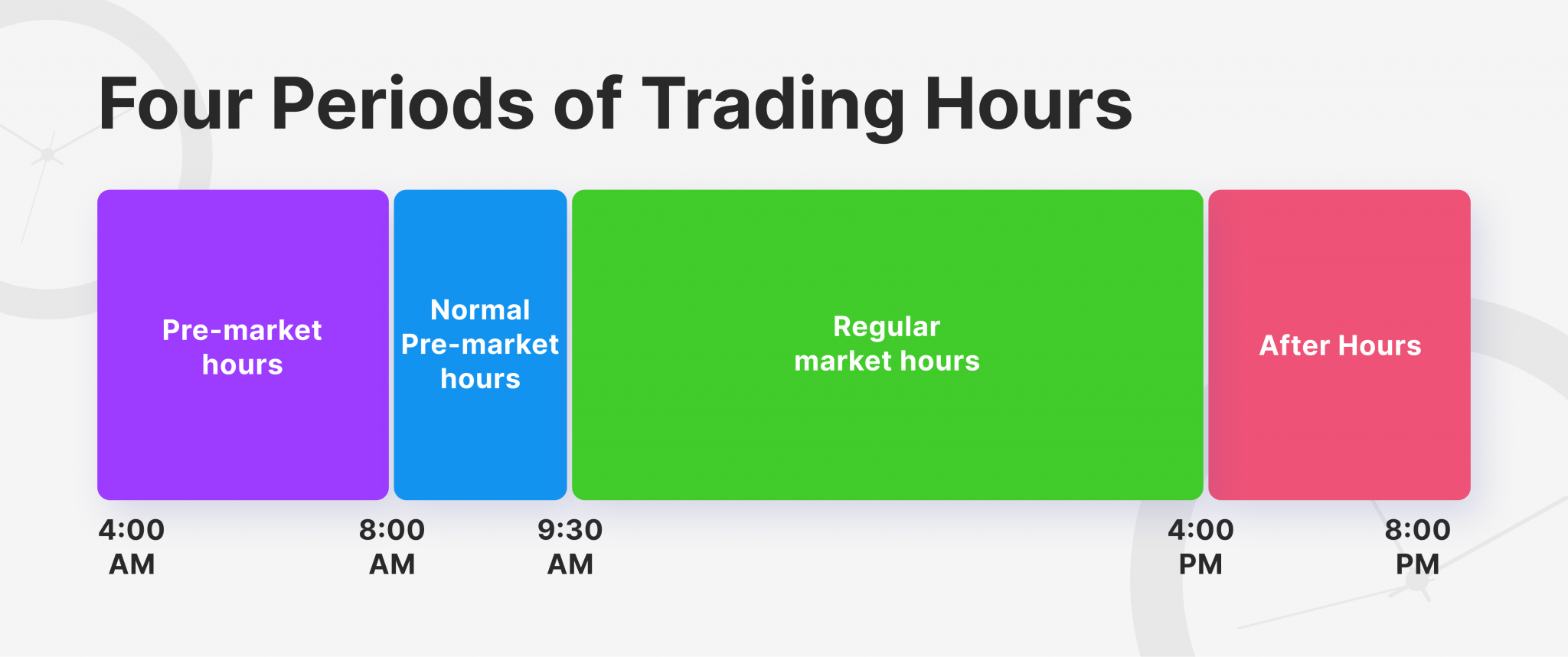
The plan focuses on NYSE Arca, the exchange’s fully electronic venue. Instead of the current schedule, trading would run from 1:30 am to 11:30 pm Eastern Time. That leaves a tiny two-hour window for the systems to breathe, clear trades, and reset.
What does this mean for you? It means "overnight" basically disappears. If a company in Japan makes a move at 3 am, you won't have to wait for the 4 am pre-market or the 9:30 am opening cross. You can jump in immediately. But just because you can trade doesn't mean you should.
The SEC gave the green light to the general framework in early 2025, and now in 2026, the industry is scrambling to catch up. The Depository Trust & Clearing Corporation (DTCC) had to overhaul its entire settlement process to ensure these trades actually "count" when the sun comes up. It’s a massive technical lift that shifts the very definition of a "trading day."
Why the late night spread will hurt you
Markets work best when everyone is in the room. When you compress all the world’s buying and selling into a few hours, liquidity is high and the "spread"—the gap between what you pay and what you get—is tight.
When you trade at 11 pm on a Tuesday, the room is empty.
- Liquidity vanishes: There aren't enough buyers and sellers to keep prices stable.
- Wider spreads: You might see a stock "priced" at $150, but the nearest seller wants $152. You’re down 1% the second you click "buy."
- Violent swings: A single large order from a hedge fund in London can send a stock screaming up or down 5% in seconds because there’s no one there to absorb the impact.
If you’re a retail investor using market orders in the middle of the night, you're basically asking to be fleeced. Professional traders use this volatility to hunt for "stray" orders. They have better data, faster connections, and algorithms that don't need sleep. You're bringing a knife to a laser-guided missile fight.
The psychological cost of a 24/7 market
The greatest advantage a long-term investor has is the ability to ignore the noise. Nonstop trading turns the noise into a deafening roar.
If you're holding a position in a volatile tech stock, and it starts tanking at 2 am, the urge to "do something" is overwhelming. During regular hours, you might see the dip, read a few reports, and realize it's an overreaction. At 2 am, sleep-deprived and staring at a red candle on your phone, you’re far more likely to panic-sell at the absolute bottom.
I've seen this play out in crypto for years. Constant access doesn't make people smarter; it makes them more impulsive. The stock market used to have "circuit breakers" and natural pauses that forced people to cool off. Removing those pauses is a win for the exchange—which collects fees on every trade—but it's often a net loss for your mental health and your portfolio.
Institutional advantages vs retail risks
Don't be fooled into thinking this levels the playing field. The big banks like Goldman Sachs or JP Morgan already have "follow-the-sun" desks. They have teams in London, Hong Kong, and New York passing the baton. They are always awake.
They also have access to the Securities Information Processor (SIP) feeds that provide the "gold standard" of price data. While NYSE is working to make this data available during the new 22-hour window, the reality is that the quality of information at 4 am is never going to match the middle of the day. You’ll be looking at stale quotes or "ghost" prices that don't exist on other venues.
What actually changes for your brokerage
Your broker (think Schwab, Robinhood, or Fidelity) has to decide how much of this they want to pass on to you. Some might offer the full 22 hours, while others might stick to "extended hours" that end at 8 pm.
- Margin calls: If a stock you hold on margin crashes at midnight, does your broker liquidate you at 1 am?
- Order types: Most brokers will likely restrict you to "limit orders only" during these sessions. If they don't, and they allow market orders, stay away.
- Customer support: If a trade glitches at 3 am, is there a human to talk to? Probably not.
Survival tactics for the new NYSE era
If you decide to engage with this 22-hour monster, you need a different set of rules. First, treat the "Night Session" as a completely different animal. The prices you see there aren't "real" in the sense that they might vanish the moment the core market opens at 9:30 am.
Stop checking your portfolio before bed. If you have to trade, only use limit orders. This ensures you never pay more—or receive less—than a specific price. If the liquidity isn't there, your trade just won't execute, which is usually better than getting a terrible fill.
The NYSE is betting that the world wants to trade US stocks like they trade Bitcoin. They might be right about the demand, but they’re definitely right about the revenue. The house always wins when the casino never closes. For most of us, the best move is to keep the laptop shut and let the machines fight it out in the dark.
Review your current "Good 'Til Canceled" (GTC) orders. Many of these may now be eligible for execution during these ghost hours, potentially triggering sales or buys at prices driven by low-volume spikes rather than actual company value. Check your brokerage settings to ensure your orders are restricted to "Core Session" unless you explicitly want to play the 22-hour game.